- 3/8, North Pirerbag
- 60 Feet Main Road
- Mirpur, Dhaka 1216
- +880-967-8247365
- support@informatix.systems

CTI for High-Risk Industries
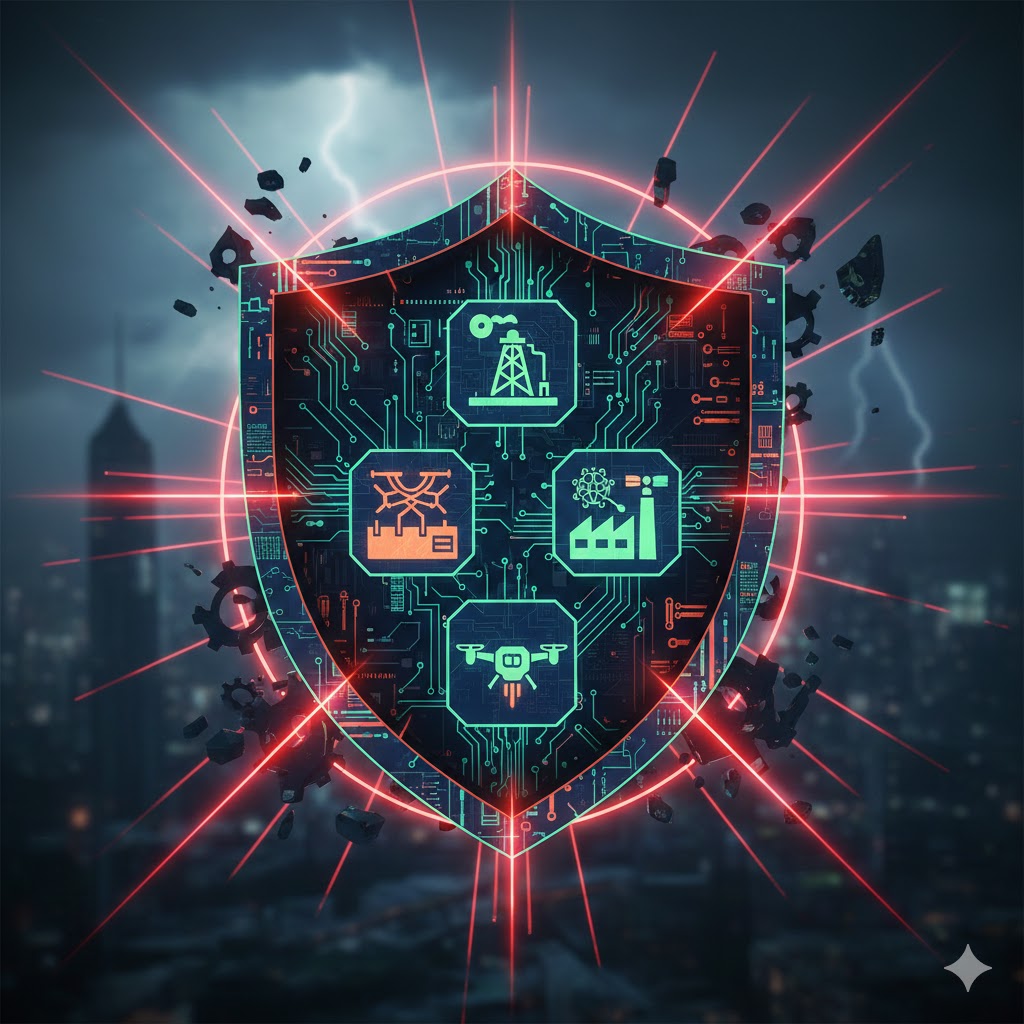
In an era where cyber threats evolve faster than defenses, Cyber Threat Intelligence (CTI) stands as the cornerstone for safeguarding high-risk industries. CTI involves collecting, analyzing, and applying data on cyber threats, adversaries, and attack methodologies to enable proactive defense. High-risk sectors, such as finance, healthcare, energy, manufacturing, oil and gas, and utilities, face amplified dangers due to their critical infrastructure, sensitive data, and economic impact. A single breach can cascade into billions in losses, regulatory fines, and operational shutdowns. The business imperative is clear: organizations ignoring CTI risk obsolescence. According to market projections, the global CTI market will reach USD 37.08 billion by 2032, growing at 18% CAGR, driven by escalating attacks on critical sectors. In 2026, ransomware targeting operational technology (OT) in energy and manufacturing will surge, while financial institutions battle sophisticated fraud. CTI shifts reactive security to predictive intelligence, reducing breach probability by up to 70% through early threat prioritization at Informatix.Systems, we provide cutting-edge AI, Cloud, and DevOps solutions for enterprise digital transformation, including tailored CTI platforms that integrate seamlessly with existing SOCs. This comprehensive guide explores CTI's role in high-risk industries, from frameworks like MITRE ATT&CK to real-world implementation. Enterprise leaders will gain actionable insights for 2026 resilience, ensuring compliance, ROI, and a competitive edge.
What is Cyber Threat Intelligence?
Cyber Threat Intelligence (CTI) is evidence-based knowledge about cyber threats, including actors, tactics, techniques, and procedures (TTPs). It empowers organizations to anticipate attacks rather than merely respond. Unlike raw threat data, CTI delivers contextualized, actionable insights.
Types of CTI
CTI categorizes into four pillars for comprehensive coverage:
- Strategic CTI: High-level overviews for executives on threat landscapes and geopolitical risks.
- Tactical CTI: Focuses on adversary TTPs for SOC teams.
- Operational CTI: Details specific campaigns and indicators of compromise (IoCs).
- Technical CTI: Provides malware signatures and exploit code for defenders.
The CTI Lifecycle
The intelligence cycle mirrors intelligence agencies:
- Planning and Direction: Define requirements based on industry risks.
- Collection: Gather from open-source, commercial feeds, and internal logs.
- Processing: Normalize and enrich data.
- Analysis: Correlate for insights.
- Dissemination: Deliver via dashboards and alerts.
- Feedback: Refine based on efficacy.
High-risk industries benefit most, as CTI maps threats to unique vulnerabilities like OT in energy or PHI in healthcare.
Why High-Risk Industries Need CTI
High-risk industries operate mission-critical systems where downtime equates to catastrophe. Finance handles trillions; healthcare protects lives; energy powers nations. Cyber attackers prioritize these for high payouts.
Escalating Threats in 2026
Projections show ransomware-as-a-service (RaaS) expanding into OT, targeting utilities and manufacturing. Nation-states eye critical infrastructure for disruption. Third-party SaaS supply chains become prime vectors.
- Financial Impact: Average breach costs $4.88 million globally, higher in regulated sectors.
- Regulatory Pressure: GDPR, HIPAA, NERC CIP mandate proactive intelligence.
- Attack Surface Explosion: IoT/OT convergence multiplies entry points.
CTI delivers ROI by mitigating threats pre-breach, with studies showing 300-500% returns through reduced incident severity. At Informatix.Systems, we provide cutting-edge AI, Cloud, and DevOps solutions for enterprise digital transformation, specializing in CTI for these sectors.
Key Benefits of CTI Implementation
CTI transforms security from a cost center to a strategic asset. Benefits span proactive defense to optimized operations.
Enhanced Threat Detection
CTI prioritizes alerts, cutting false positives by 50%. Real-time IoCs block attacks at the gate.
Faster Incident Response
Mapped TTPs enable playbooks, slashing mean time to respond (MTTR) from days to hours.
Risk Quantification and ROI
Frameworks calculate ROI: ROI = Σ (P_i * C_i * M_i) - TCO_CTI, where M_i is mitigation factor. Energy firms report 40% risk reduction.
CTI Frameworks and Standards
Standardized frameworks ensure interoperability and best practices.
MITRE ATT&CK for Mapping
MITRE ATT&CK details adversary behaviors, extended to ICS for OT-heavy industries. Energy sectors use it for resilience assessments.
NIST and Integration
NIST CSF complements ATT&CK for supply chain risk. CTI operationalizes CSF controls.
- Diamond Model: Relates infrastructure, victims, and capabilities.
- Kill Chain: Disrupts attacker phases.
CTI in Finance
Financial services face fraud, credential theft, and banking trojans. CTI tracks financially motivated groups.
Phishing and Fraud Defense
Key Use Cases:
- Monitor underground markets for stolen data.
- Predict phishing kits targeting banks.
- Quantify fraud risk scenarios.
In 2026, AI-driven attacks rise; CTI counters with behavioral analytics. Case: A Korean insurer used CTI for operations turnaround, boosting efficiency. At Informatix.Systems, we provide cutting-edge AI, Cloud, and DevOps solutions for enterprise digital transformation in finance.
CTI in Healthcare
Healthcare battles ransomware hitting hospitals. CTI alerts on PHI trading and HIPAA-tailored risks.
Ransomware and Data Protection
- Early Warnings: Track groups like LockBit targeting clinics.
- Compliance Mapping: Align to HIPAA via ATT&CK.
- Patient Safety: Prevent disruptions in life-critical systems.
Implementation reduces PHI breach risks by 65%.
CTI for Energy and Utilities
Energy controls grids; breaches cause blackouts. CTI monitors OT threats and ICS exploits.
Critical Infrastructure Protection
Threats:
- Ransomware on SCADA.
- Nation-state disruptions.
- Supply chain compromises.
Best practices: Real-time monitoring, tailored CTI sources. ROI-optimized plans prioritize OT hardening.
CTI in Oil and Gas
Oil/gas faces SCADA attacks, leading to shortages. CTI provides network connectivity insights for remote sites.
Upstream to Downstream Security
- Pipeline Monitoring: Detect illicit access.
- Refinery Blending: Protect optimization systems.
- ROI Optimization: Simulate breaches for mitigation.
CTI for Manufacturing
Manufacturing targets include supply chains and OT ransomware. CTI covers counterfeit goods markets.
Supply Chain and OT Defense
Implementation Best Practices
Success demands a structured rollout.
Step-by-Step Guide
- Define Objectives: Align to industry risks.
- Select Platforms: Top 2025: Recorded Future, CrowdStrike, Mandiant.
- Build Team: Dedicated analysts.
- Integrate SOC: Automate feeds.
- Measure KPI: MTTD, MTTR, ROI.
Challenges:
- Data overload.
- Siloed teams.
- Skill gaps.
At Informatix.Systems, we provide cutting-edge AI, Cloud, and DevOps solutions for enterprise digital transformation, easing CTI deployment.
Top CTI Platforms for 2026
Challenges and Solutions
Challenges:
Solutions:
Future Trends in CTI for 2026
AI automates analysis; quantum threats emerge. Focus: OT convergence, zero-trust integration. Market growth hits 18% CAGR.
Case Studies
- Energy: Wind farm ATT&CK assessments cut risks.
- Finance: Fraud turnaround via CTI.
- Oil/Gas: Pipeline optimization secured.
CTI is indispensable for high-risk industries facing 2026's sophisticated threats. From finance fraud to energy blackouts, proactive intelligence delivers resilience, compliance, and ROI. Implement frameworks like MITRE ATT&CK, choose proven platforms, and measure outcomes for sustained defense. Secure your enterprise today. Contact Informatix.Systems at https://informatix.systems for a free CTI assessment. Protect your high-risk operations with our AI-powered solutions. Schedule now!
FAQs
What is Cyber Threat Intelligence (CTI)?
CTI processes threat data, enabling proactive defense against cyber attacks.
Why do high-risk industries prioritize CTI?
Sectors like energy and finance face catastrophic breaches; CTI reduces risks by 50-70%.
How does CTI integrate with SOCs?
Via automated feeds and dashboards for real-time alerting.
What are the top CTI challenges in manufacturing?
OT ransomware and supply chain threats; solved by ICS-specific intelligence.
Can CTI quantify ROI?
Yes, via formulas assessing mitigated losses vs. TCO.
Which frameworks support CTI?
MITRE ATT&CK, NIST CSF for mapping and compliance.
Is CTI essential for 2026 compliance?
Absolutely, for HIPAA, NERC CIP, amid rising regulations.
How to start CTI implementation?
No posts found
Write a review