- 3/8, North Pirerbag
- 60 Feet Main Road
- Mirpur, Dhaka 1216
- +880-967-8247365
- support@informatix.systems

Cyber Threat Intelligence and Business Strategy
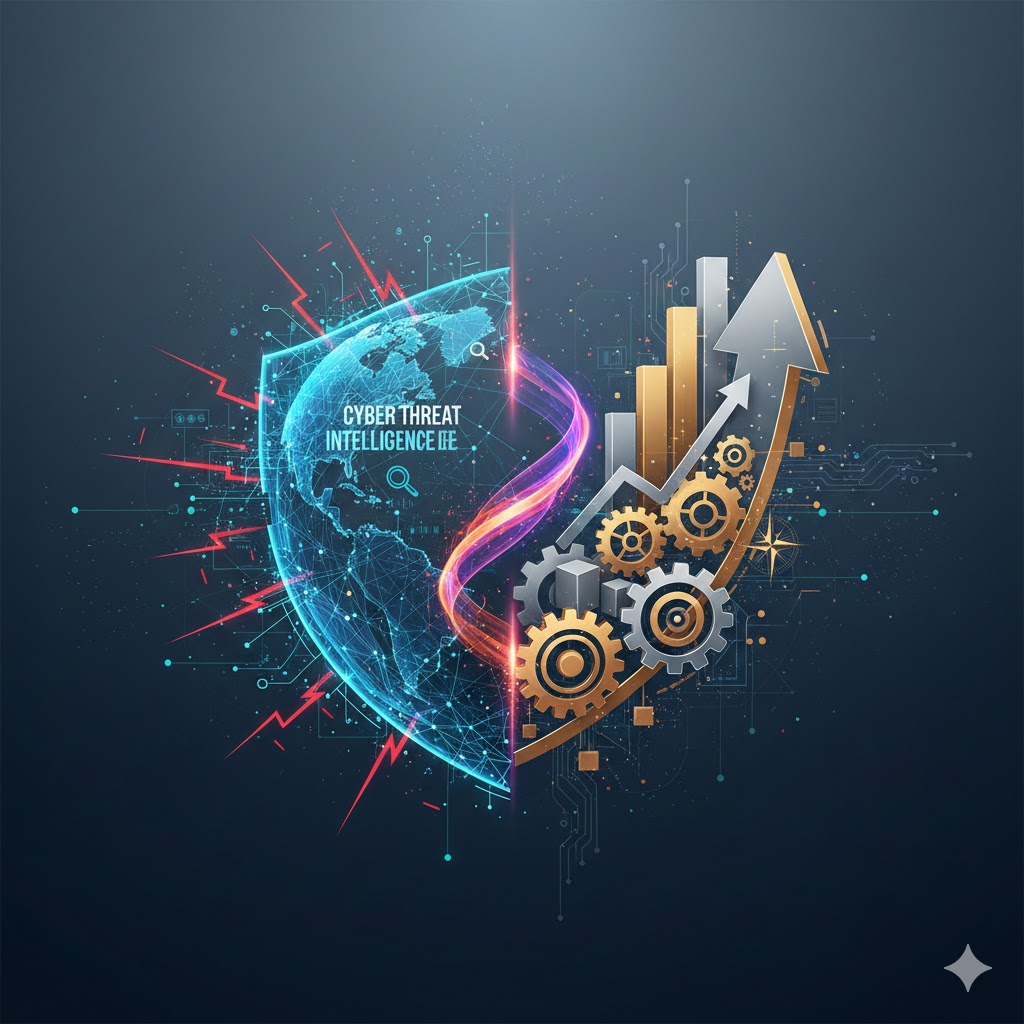
In today's hyper-connected digital landscape, cyber threats pose existential risks to enterprises worldwide. Cyber threat intelligence (CTI) emerges as a cornerstone for transforming raw threat data into actionable insights, enabling organizations to anticipate attacks rather than merely react to them. Businesses face sophisticated adversaries from nation-state actors to ransomware groups who exploit vulnerabilities in cloud infrastructure, supply chains, and employee behaviors. According to industry analyses, CTI shifts security teams from reactive firefighting to proactive defense, reducing breach costs by up to 40% through faster detection and prioritized remediation. The business imperative for CTI integration into strategy cannot be overstated. Enterprises that embed CTI into decision-making processes align cybersecurity with revenue goals, regulatory compliance, and innovation agendas. For instance, strategic CTI reveals adversary tactics, techniques, and procedures (TTPs), informing C-suite investments in AI-driven defenses and zero-trust architectures. As threats evolve with AI-powered attacks accelerating in 2026, companies ignoring CTI risk reputational damage, financial losses exceeding millions, and eroded stakeholder trust. At Informatix.Systems, we provide cutting-edge AI, Cloud, and DevOps solutions for enterprise digital transformation, helping clients operationalize CTI for resilient operations. This comprehensive guide delves into CTI's role in business strategy, covering definitions, lifecycles, tools, case studies, metrics, and future trends. Enterprise leaders will gain frameworks to measure ROI, comply with regulations, and build competitive advantages through intelligence-led security.
Defining Cyber Threat Intelligence
Cyber threat intelligence encompasses the collection, processing, and analysis of threat data to understand adversaries' motives, targets, and methods. It provides context on existing and emerging risks, empowering data-driven decisions that elevate security postures. Distinct from raw logs or alerts, CTI delivers actionable recommendations. Gartner defines it as evidence-based knowledge on threats, mechanisms, and indicators, crucial for proactive defense.
Core Components of CTI
- Threat Actors: Profiles of cybercriminals, nation-states, or insiders driving attacks.
- Indicators of Compromise (IoCs): Specific artifacts like IP addresses or malware hashes signaling breaches.
- Tactics, Techniques, Procedures (TTPs): Behavioral patterns adversaries reuse across campaigns.
Types of Cyber Threat Intelligence
CTI categorizes into four primary types, each serving distinct strategic needs. Strategic CTI offers high-level overviews for executives, covering geopolitical risks and industry trends to inform long-term planning. Operational CTI details adversary campaigns, helping security operations centers (SOCs) predict attacks on specific sectors. Tactical CTI focuses on tools and exploits, aiding real-time detection via IoCs and TTPs. Technical CTI provides granular data like malware samples for forensic analysis.
CTI Lifecycle Explained
The cyber threat intelligence lifecycle structures intelligence production into six iterative phases: planning, collection, processing, analysis, dissemination, and feedback.
Planning and Direction
Security leaders define priorities based on business assets and risks, setting collection requirements.
Collection
Gather data from open-source intelligence (OSINT), dark web, and internal logs.
Processing and Analysis
Normalize data, enrich with context, and produce insights using AI pattern recognition.
Dissemination
Deliver tailored reports via dashboards or alerts to stakeholders.
Feedback
Measure impact and refine processes for continuous improvement. This lifecycle ensures CTI aligns with enterprise objectives, reducing dwell times.
Key Frameworks for CTI
Robust frameworks standardize CTI operations for scalability. MITRE ATT&CK maps adversary TTPs, enabling behavioral detection beyond signatures. The Diamond Model analyzes relationships between adversary, capability, infrastructure, and victim. Cyber Kill Chain outlines seven attack stages for disruption points.
Comparing Popular Frameworks
Integrating CTI into Business Strategy
Embedding CTI into business strategy requires leadership buy-in and alignment with goals. Executives prioritize risks impacting revenue, using CTI for board-level briefings. Develop holistic strategies covering policies, training, and third-party risks.
Steps for Integration:
- Assess business-critical assets via threat modeling.
- Embed CTI in risk registers and OKRs.
- Foster a security-first culture through training.
At Informatix.Systems, we provide cutting-edge AI, Cloud, and DevOps solutions for enterprise digital transformation, streamlining CTI-strategy fusion.
Essential CTI Tools and Platforms
Modern CTI tools leverage AI for automation and scale. Top platforms include CrowdStrike for behavioral analysis, Recorded Future for real-time feeds, and Stellar Cyber for unified SOC integration.
Must-Have Features
- AI-Powered Analytics: Pattern detection and threat scoring.
- Unified Threat Libraries: Centralized IoC management.
- Automation Playbooks: Low-code response orchestration.
Enterprises select tools based on integration with EDR, SIEM, and cloud environments.
Real-World Case Studies
CTI delivers tangible wins across sectors.
Financial Phishing Prevention: A bank used operational CTI to train employees and filter emails, slashing successful attacks.
Healthcare Ransomware Defense: Providers profiled actors, enabling early detection and rapid recovery.
Retail Supply Chain Security: CTI identified vendor risks, averting breaches.
Energy Infrastructure Protection: Tactical intelligence fortified OT systems against disruptions. These cases highlight CTI's ROI in threat mitigation.
Measuring CTI ROI and Metrics
Quantifying CTI ROI involves blending quantitative and qualitative metrics.
Key indicators: reduced mean time to detect (MTTD), fewer false positives, and avoided breach costs. Studies show 245-350% ROI via faster investigations.
Core Metrics Table
| Category | Metric | Measurement |
|---|---|---|
| Operational | MTTD/MTTR Reduction | SOC Dashboards |
| Financial | ALE Savings | Breach Cost Models |
| Strategic | Vulnerability Prioritization | CVE-CTI Correlation |
Track via NIST assessments and surveys for holistic value.
Compliance and Regulatory Alignment
CTI supports compliance with GDPR, NIST, and emerging 2026 regulations. Intelligence evidences due diligence, mapping threats to controls. Automate reporting for audits using CTI platforms.
Best Practices:
Best Practices for Enterprises
Implement CTI best practices for maximum efficacy:
- Prioritize Actionable Intelligence: Focus on sector-relevant feeds.
- Integrate Across Tools: Feed into SIEM/EDR for automation.
- Train Teams Regularly: Simulate TTPs via red-team exercises.
- Collaborate Externally: Share via ISACs.
Leverage AI for behavioral analysis to catch zero-days at Informatix.Systems, we provide cutting-edge AI, Cloud, and DevOps solutions for enterprise digital transformation.
Future Trends in CTI for 2026
2026 CTI trends emphasize AI autonomy and unified visibility.
- Agentic AI: Autonomous agents for attack/defense.
- Exposure Management: Proactive vulnerability hunting.
- Zero-Trust Identity Focus: Continuous verification.
- Quantum-Resistant Crypto: Prep for post-quantum threats.
Generative AI accelerates both threats and defenses, demanding adaptive platforms. Cyber threat intelligence stands as a strategic imperative, fusing proactive defense with business resilience. From lifecycle execution to ROI measurement, enterprises mastering CTI navigate 2026's threats while driving growth. Key insights include leveraging frameworks like MITRE ATT&CK, integrating AI tools, and aligning with compliance for sustained advantage. Ready to fortify your strategy? Contact Informatix.Systems today for tailored AI, Cloud, and DevOps solutions that operationalize CTI. Schedule a consultation at https://informatix.systems to transform threats into opportunities.
FAQs
What is cyber threat intelligence?
CTI collects and analyzes threat data for actionable insights on adversaries and attacks.
How does CTI integrate with business strategy?
It aligns risks with goals, informing C-suite decisions and resource allocation.
What are the main types of CTI?
Strategic, operational, tactical, and technical, each targeting different organizational needs.
Name key CTI frameworks.
MITRE ATT&CK, Diamond Model, and Cyber Kill Chain for structured analysis.
How to measure CTI ROI?
Track MTTD reductions, cost savings, and strategic metrics like NIST scores.
What tools power enterprise CTI?
Platforms with AI analytics, threat libraries, and SOAR integration, like CrowdStrike.
What 2026 CTI trends matter most?
AI-driven defenses, exposure management, and zero-trust identities.
Why include CTI in compliance?
It evidences threat awareness for regulations like GDPR and NIST.
No posts found
Write a review