- 3/8, North Pirerbag
- 60 Feet Main Road
- Mirpur, Dhaka 1216
- +880-967-8247365
- support@informatix.systems

Cyber Threat Intelligence for Cybersecurity Evolution
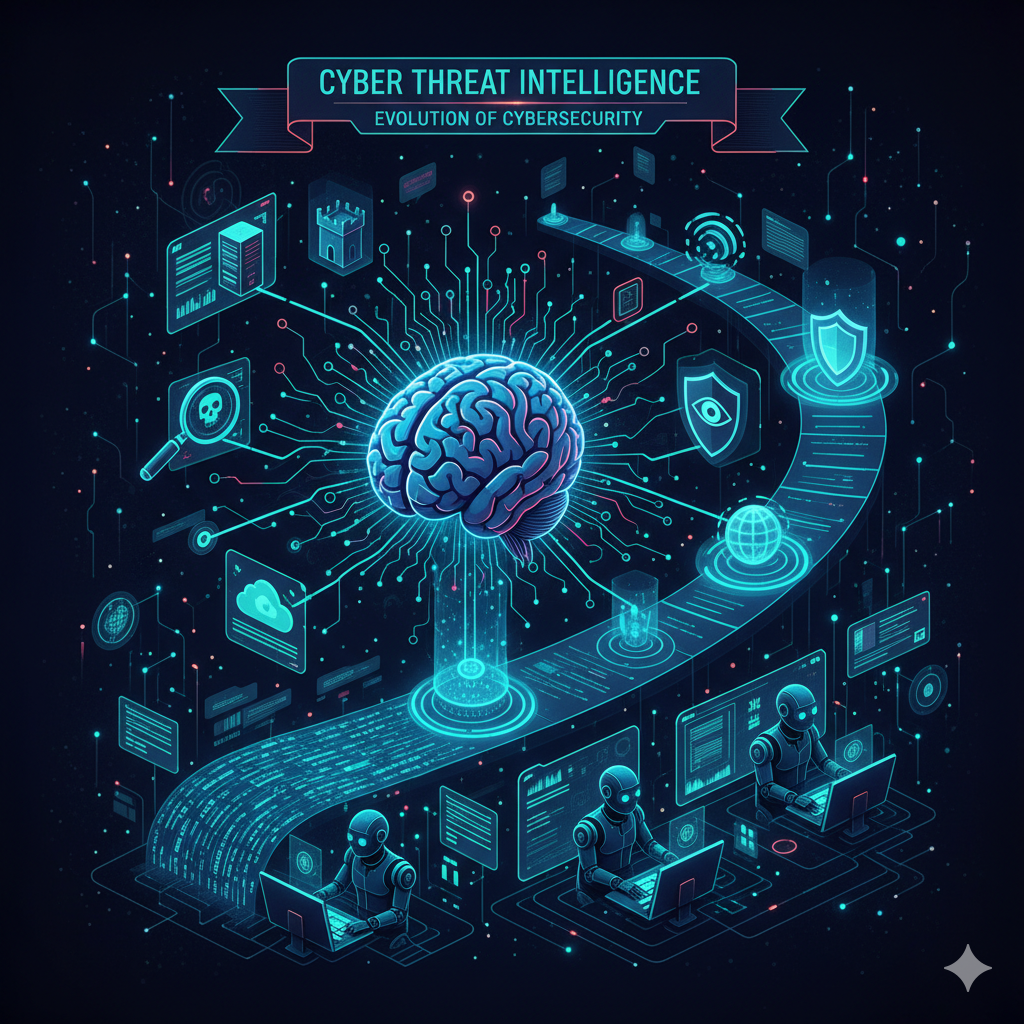
In the dynamic cybersecurity landscape of 2026, Cyber Threat Intelligence (CTI) stands as the pivotal force propelling the evolution of enterprise defenses. As cyber threats grow more sophisticated with AI-powered attacks, quantum risks, and supply chain vulnerabilities surging organizations must transcend reactive measures to embrace intelligence-led strategies. CTI transforms disparate data into actionable insights, enabling businesses to anticipate adversary moves, mitigate risks proactively, and achieve operational resilience. This evolution is not optional; it's a business imperative, with breaches costing enterprises an average of $4.88 million in 2025, projected to rise amid escalating geopolitical tensions and ransomware proliferation. The business importance of CTI cannot be overstated. Forward-thinking leaders leverage it to inform boardroom decisions, optimize security investments, and comply with regulations like GDPR, NIST, and emerging AI security mandates. By categorizing intelligence into strategic (geopolitical trends), operational (campaign details), and tactical (indicators of compromise or IoCs), CTI empowers Security Operations Centers (SOCs) to reduce mean time to respond (MTTR) by up to 70%. In an era where 75% of attacks involve known TTPs from threat actor playbooks, ignoring CTI leaves enterprises vulnerable to preventable exploits, at Informatix.Systems, we provide cutting-edge AI, Cloud, and DevOps solutions for enterprise digital transformation, integrating CTI seamlessly to future-proof your cybersecurity posture. This comprehensive guide delves into CTI's frameworks, implementation best practices, and its role in cybersecurity evolution. From lifecycle management to platform comparisons and 2026 trends, readers will gain authoritative insights to evolve their defenses. Enterprises adopting mature CTI programs report 50% fewer incidents and enhanced competitive advantages in digital markets. Embrace this evolution today to safeguard assets, foster innovation, and thrive in a threat-saturated world.
Understanding Cyber Threat Intelligence
Cyber Threat Intelligence encompasses the collection, analysis, and dissemination of information on cyber threats, adversaries, and vulnerabilities to inform security strategies.
Core Components of CTI
- Indicators of Compromise (IoCs): Hashes, IPs, and domains signaling active threats.
- Tactics, Techniques, Procedures (TTPs): Adversary behaviors mapped to MITRE ATT&CK framework.
- Threat Actors: Profiles of groups like APT28 or ransomware syndicates.
This foundation drives cybersecurity evolution by shifting from alerts to foresight.
Strategic vs. Tactical CTI
Strategic CTI informs executives on macro trends, while tactical CTI equips analysts with blockable artifacts. Balancing both accelerates evolution from siloed to integrated security.
The CTI Lifecycle in Detail
The CTI lifecycle planning, collection, processing, analysis, dissemination, and feedback form the backbone of effective programs, iterating continuously for relevance.
Planning and Direction
Align CTI goals with business risks, prioritizing high-impact sectors like finance or healthcare.
Collection
Aggregate data from open-source intelligence (OSINT), commercial feeds, and internal logs.
- Internal Sources: SIEM, EDR endpoints.
- External Feeds: ISACs, government alerts.
Processing to Feedback
Normalize data, produce reports, distribute via dashboards, and refine based on efficacy metrics. Robust lifecycles evolve cybersecurity from static to adaptive.
Role of CTI in Cybersecurity Evolution
CTI catalyzes evolution by enabling proactive hunting, automating responses, and integrating with XDR platforms. At Informatix.Systems, we provide cutting-edge AI, Cloud, and DevOps solutions for enterprise digital transformation, embedding CTI for holistic evolution.
Key Evolutionary Impacts:
- From Reactive to Predictive: Forecast attacks using actor patterns.
- Scalability: Handle exabytes of telemetry.
- Collaboration: Share intel via STIX/TAXII standards.
Integrating CTI with SIEM and SOAR
CTI enriches SIEM with context, powering SOAR playbooks for automated triage.
Best Practices
- Enrich Alerts: Correlate logs with IoCs.
- Threat Hunting Queries: Use CTI for hypothesis-driven hunts.
- Feedback Loops: Update platforms post-incident.
This synergy evolves SOCs into intelligence-driven powerhouses.
CTI Frameworks and Standards
Leverage frameworks like MITRE ATT&CK, Diamond Model, and NIST Cybersecurity Framework for structured CTI.
MITRE ATT&CK Navigation
Map TTPs to defenses:
- Reconnaissance: Block phishing domains.
- Persistence: Hunt lateral movement.
Branded Integration: At Informatix.Systems, we provide cutting-edge AI, Cloud, and DevOps solutions for enterprise digital transformation, aligning CTI with these standards.
Challenges in CTI Adoption
Common hurdles include data overload, skill gaps, and integration silos.
Overcoming Barriers:
- Prioritization Tools: Score threats by business impact.
- Upskilling: Certify teams in GIAC or CREST.
- Vendor Consolidation: Unified platforms reduce complexity.
Address these to sustain cybersecurity evolution.
Measuring CTI Program Success
Track KPIs like threat coverage, MTTR reduction, and false positive rates.
Essential Metrics
- Coverage Ratio: IoCs actioned vs. total.
- ROI: Breaches prevented vs. program costs.
- Maturity Score: Align with Gartner or CMMI models.
Data-driven measurement fuels ongoing evolution.
CTI in Cloud and DevSecOps Environments
Cloud-native CTI monitors multi-cloud sprawl, embedding intel in CI/CD pipelines.
DevSecOps Integration Steps
- Scan repos for vulnerabilities using CTI feeds.
- Automate compliance checks.
- Deploy runtime behavioral analytics.
Cloud-Specific Tactics:
- AWS GuardDuty: Leverage managed threat detection.
- Azure Sentinel: Fusion of CTI with ML.
At Informatix.Systems, we provide cutting-edge AI, Cloud, and DevOps solutions for enterprise digital transformation, optimizing CTI in these ecosystems.
Emerging Trends Shaping CTI 2026
Anticipate quantum-resistant CTI, federated learning for privacy, and blockchain-verified intel sharing.
Trend Highlights:
- AI-Augmented CTI: Generative models for scenario simulation.
- Zero Trust Intelligence: Continuous verification.
- Geopolitical Fusion: Link cyber to nation-state risks.
These trends propel cybersecurity evolution forward.
CTI Success Stories
- Financial Giant: Reduced incidents 60% via Recorded Future integration.
- Healthcare Provider: Thwarted ransomware using tactical IoCs.
- Tech Firm: Evolved SOC with MITRE mapping, cutting dwell time to hours.
Real-world wins validate CTI's transformative power.
Building a Mature CTI Team
Assemble cross-functional teams: analysts, hunters, and engineers.
Roles and Skills:
- CTI Analyst: TTP expertise.
- Threat Hunter: Hypothesis formulation.
- Engineer: Platform automation.
Foster a culture of sharing for evolutionary gains. Cyber Threat Intelligence is the linchpin of cybersecurity evolution, empowering enterprises to navigate 2026's complexities with foresight and agility. From lifecycle mastery to trend adoption, robust CTI programs deliver resilience, efficiency, and strategic advantage. Elevate your cybersecurity today. Partner with Informatix.Systems for cutting-edge AI, Cloud, and DevOps solutions tailored to your digital transformation. Visit https://informatix.systems or contact us now for a free CTI maturity assessment.
FAQs
What is Cyber Threat Intelligence?
CTI collects and analyzes threat data to produce actionable insights for defense.
Why is CTI crucial for cybersecurity evolution?
It shifts organizations from reactive firefighting to predictive, intelligence-led strategies.
What are the stages of the CTI lifecycle?
Planning, collection, processing, analysis, dissemination, and feedback.
Which CTI platforms are best for enterprises in 2026?
Recorded Future, ThreatConnect, and Anomali lead in automation and coverage.
How does CTI integrate with DevSecOps?
Through automated scans, policy enforcement, and runtime intel in pipelines.
What metrics measure CTI effectiveness?
Threat coverage, MTTR, and ROI on prevented breaches.
What challenges hinder CTI adoption?
Data volume, skills shortages, and silos; overcome with tools and training.
What 2026 CTI trends should enterprises watch?
AI augmentation, zero trust, and geopolitical intel fusion.
No posts found
Write a review