- 3/8, North Pirerbag
- 60 Feet Main Road
- Mirpur, Dhaka 1216
- +880-967-8247365
- support@informatix.systems

Cyber Threat Intelligence Services for Mobile Apps
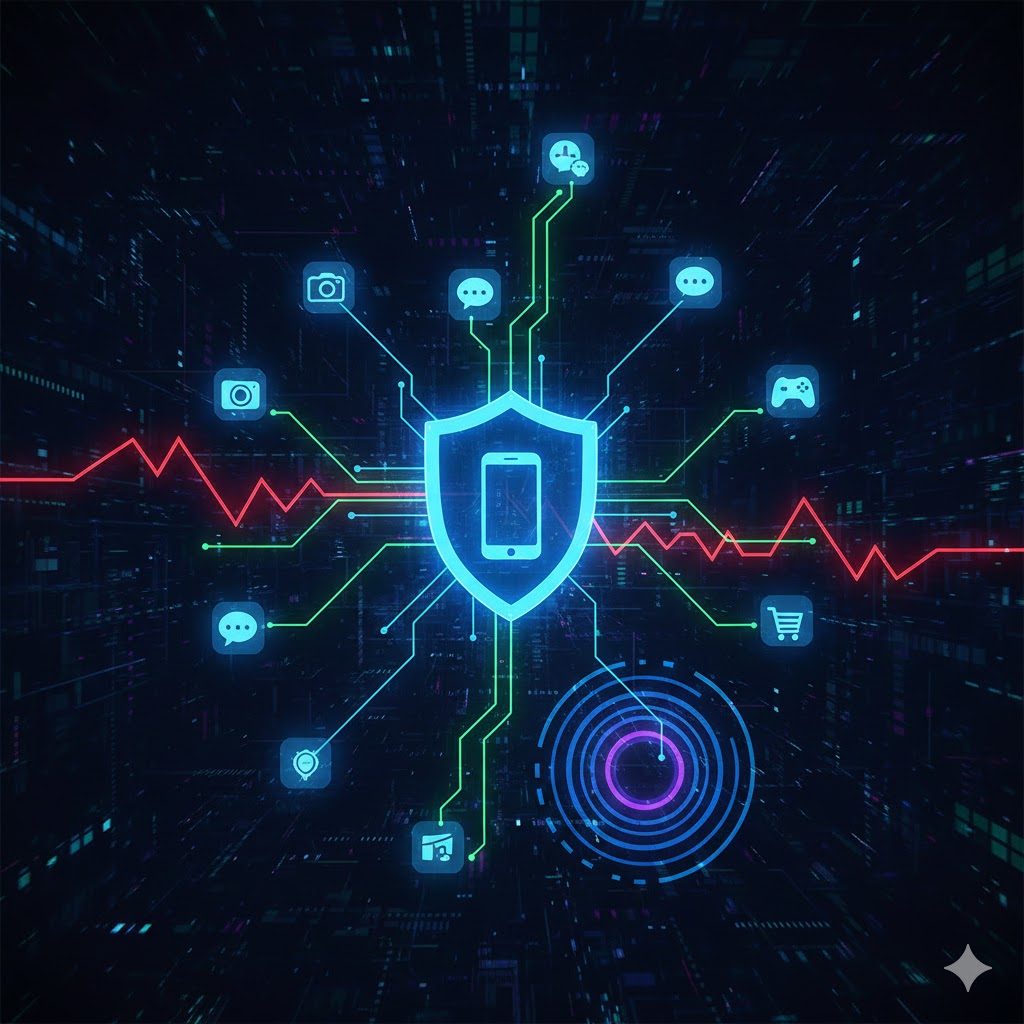
Mobile applications power modern enterprises, handling sensitive data from banking transactions to healthcare records. In 2025, cyber threats targeting these apps have surged, with AI-driven malware and supply chain attacks exploiting vulnerabilities in third-party SDKs. Cyber threat intelligence services for mobile apps deliver actionable insights to detect, prevent, and respond to these dangers before they cause breaches. Businesses ignoring mobile-specific threat intelligence face devastating consequences. A single compromised app can lead to data exfiltration, ransomware deployment, or regulatory fines under GDPR and PCI-DSS. According to industry reports, mobile threats like session hijacking and fake app proliferation cost enterprises millions annually. Proactive cyber threat intelligence for mobile apps shifts security from reactive patching to predictive defense. At Informatix.Systems, we provide cutting-edge AI, Cloud, and DevOps solutions for enterprise digital transformation. Our tailored cyber threat intelligence services integrate seamlessly with mobile development pipelines, empowering teams to stay ahead of 2026 threats. This article explores the ecosystem, processes, and strategies to fortify your mobile apps against evolving cyber risks.
Understanding Cyber Threat Intelligence
Cyber threat intelligence (CTI) collects, analyzes, and disseminates data on potential attacks targeting mobile ecosystems. Unlike general cybersecurity, mobile CTI focuses on app-specific vectors like runtime manipulation and phishing via SMS links. It transforms raw threat data into prioritized actions for developers and SecOps teams. Services encompass feeds from global datasets, including malware signatures and actor TTPs (tactics, techniques, procedures). Platforms like Lookout and ThreatFabric provide mobile telemetry from billions of devices, revealing trends invisible to traditional EDR. Enterprises gain visibility into APTs deploying surveillanceware on executive phones. Key benefits include early detection of zero-days and reduced incident response times by 50%. CTI correlates mobile IOCs (indicators of compromise) with desktop threats, uncovering hybrid campaigns.
Types of Threat Intelligence
- Strategic CTI: High-level trends for executives, like rising RaaS targeting fintech apps.
- Operational CTI: TTPs for threat hunters, such as RAT deployment via sideloaded APKs.
- Tactical CTI: IOCs like malicious URLs for firewall rules.
- Technical CTI: Hashes and YARA rules for endpoint scanning.
The Threat Intelligence Lifecycle for Mobile Apps
The cyber threat intelligence lifecycle follows six phases: direction, collection, processing, analysis, dissemination, and feedback. For mobile apps, direction prioritizes assets like API endpoints and user authentication flows. The collection gathers data from app stores, dark web forums, and telemetry sensors in SDKs. Processing normalizes mobile-specific IOCs, such as Frida hooking attempts. Analysis scores threats by exploitability in iOS/Android environments. Dissemination uses dashboards and APIs for real-time alerts. Feedback refines feeds based on false positives from BYOD fleets. This cycle ensures continuous improvement against adaptive mobile threats.
Mobile-Specific Adaptations
H3: Direction Phase
Identify app attack surfaces: permissions, cloud syncs, and wearables.
H3: Collection Sources
Emerging Cyber Threats to Mobile Apps in 2026
2026 forecasts predict AI-powered adaptive malware evading static scanners. Supply chain attacks via compromised SDKs inject backdoors post-deployment. API exploits remain rampant, with misconfigured endpoints leaking PII. Session hijacking via token theft affects 30% of banking apps. Fake clones bypass store vetting using AI-generated icons. IoT integrations amplify risks, turning smartwatches into breach vectors. Ransomware-as-a-Service targets mobile wallets, demanding crypto ransoms. Enterprises must anticipate these via proactive cyber threat intelligence services for mobile apps.
Top Threats Breakdown
Why Businesses Need Mobile Threat Intelligence
Mobile apps represent 70% of enterprise endpoints, yet traditional tools overlook platform nuances. Cyber threat intelligence services bridge this gap, reducing breach costs averaging $4.5M per incident. Compliance with PCI-MPoC demands mobile telemetry integration. Proactive intel cuts mean time to detect (MTTD) from days to minutes. Fraud teams block scams via threat catalogs. Developers patch zero-days before exploits proliferate. At Informatix.Systems, we provide cutting-edge AI, Cloud, and DevOps solutions for enterprise digital transformation, including customized mobile CTI feeds.
Top Cyber Threat Intelligence Platforms for Mobile
Leading platforms excel in mobile coverage. Lookout Threat Intelligence offers MISP feeds and forensics from the largest dataset. ThreatFabric's MTI catalogs RATs and bots. Build38 streams real-time telemetry for automated responses. Blue Cedar adds RASP shielding. Google Threat Intelligence correlates with cloud logs.
Selection Criteria
- Mobile dataset scale.
- Real-time API delivery.
- False positive rates under 1%.
Integrating Threat Intelligence into DevSecOps
DevSecOps for mobile apps embeds CTI in CI/CD pipelines. Automate SAST/DAST with threat feeds during builds. Scan PRs for hardcoded secrets and vulnerable dependencies. Runtime protection uses RASP to detect hooking. Integrate DAST in staging via tools like Appknox. Monitor production with telemetry for anomalies. Branch protection enforces signed commits. Red team simulations validate intel-driven defenses. At Informatix.Systems, we provide cutting-edge AI, Cloud, and DevOps solutions for enterprise digital transformation.
Implementation Steps
- Feed ingestion into Jenkins/GitHub Actions.
- Prioritize vulns by active exploitation intel.
- Automate API abuse detection in backends.
- Quarterly threat modeling sessions.
AI-Powered Cyber Threat Intelligence
AI in cyber threat intelligence processes petabytes of mobile data for pattern detection. Machine learning predicts zero-days from code similarities. Natural language queries speed investigations. Behavioral analytics flag dormant spyware. Automated scoring ranks threats by business impact. Stellar Cyber enriches XDR with AI-CTI fusion. Challenges include adversarial AI fooling detectors. Hybrid human-AI workflows mitigate this. Future: quantum-resistant intel for post-quantum threats.
Threat Hunting Techniques for Mobile Apps
Mobile threat hunting proactively searches for IOCs using hypothesis-driven methods. Leverage MITRE ATT&CK for Mobile to map TTPs. Hunt for Frida traces and certificate pinning bypasses.
Tools: MobSF for static analysis, Burp for traffic interception. Correlate with EDR for cross-platform hunts. Exabeam enables timeline searches by user risk.
Outcomes: 40% faster breach isolation. Regular purple teaming refines hunts.
Hunting Frameworks
- IoA-based: Profile APT behaviors.
- IoC-based: Block known malware hashes.
- Hypothesis-driven: Test zero-day SDK exploit scenarios.
Success with Mobile CTI
JPMorgan Chase shared intel to thwart financial APTs, preventing $100M losses. AT&T's IDS with CTI detected anomalies, strengthening resilience. Apple deployed post-quantum encryption via threat foresight. A fintech used Lookout to block phishing across 50K devices, correlating mobile/desktop IOCs. E-commerce firm mitigated DDoS with intel platforms.
ROI: 6x reduction in incidents post-CTI adoption.
Implementing CTI: Best Practices and Costs
Start with requirements: map app assets and risks. Customize feeds for iOS/Android. Integrate via APIs into SIEM. Train teams on mobile TTPs. Costs range $50K-$500K annually, scaling by endpoints. Open-source like MISP cuts entry barriers. Measure success via MTTR and compliance audits. At Informatix.Systems, we provide cutting-edge AI, Cloud, and DevOps solutions for enterprise digital transformation.
Cost-Benefit Analysis
| Investment | Annual Cost | Savings |
|---|---|---|
| Platform Subscription | $100K | $1M breach avoidance |
| Training | $20K | 30% faster response |
| Custom Integration | $50K | Compliance fines averted |
Future of Mobile Threat Intelligence in 2026
Expect blockchain for tamper-proof feeds and zero-trust models. MoTIF framework standardizes mobile TTP classification. Quantum threats demand lattice-based crypto intel. Edge AI enables on-device hunting. Regulations like eIDAS 2 mandate CTI reporting. Enterprises adopting now gain a first-mover advantage. Cyber threat intelligence services for mobile apps form the backbone of resilient digital enterprises. From lifecycle management to AI integration, these services counter 2026's sophisticated threats like adaptive malware and API abuses. Businesses leveraging CTI achieve proactive security, slashing risks and costs. Secure your mobile ecosystem today. Contact Informatix.Systems for a free threat assessment. Our AI, Cloud, and DevOps expertise delivers tailored cyber threat intelligence for mobile apps. Transform threats into opportunities. Schedule a demo now.
FAQs
What Are Cyber Threat Intelligence Services for Mobile Apps?
Specialized platforms collect mobile telemetry to detect malware, RATs, and exploits in real-time. They provide IOCs and TTPs tailored to iOS/Android.
Why Is Mobile-Specific Threat Intel Essential?
Traditional tools miss app behaviors like dynamic loading. Mobile CTI covers 70% of endpoints ignored by EDR.
How Does AI Enhance Mobile Threat Detection?
AI analyzes behaviors for anomalies, predicts exploits, and automates responses, reducing MTTD by 50%.
What Are Common Mobile App Threats in 2026?
AI malware, supply chain attacks, API exploits, and fake apps top the list.
How to Integrate CTI into DevSecOps Pipelines?
Automate feeds in CI/CD, SAST/DAST scans, and runtime monitoring. Use tools like Appknox.
What Is the Cost of Mobile CTI Services?
$50K-$500K/year for enterprises, with ROI from averted breaches exceeding 5x.
Can Small Businesses Afford Threat Intelligence?
Yes, via open-source MISP or tiered platforms starting at $10K. Focus on high-impact feeds.
How Does CTI Support Compliance?
Provides audit trails for PCI-MPoC, GDPR, and meeting real-time monitoring mandates.
No posts found
Write a review