- 3/8, North Pirerbag
- 60 Feet Main Road
- Mirpur, Dhaka 1216
- +880-967-8247365
- support@informatix.systems

Dark Web Threat Intelligence Tools Explained
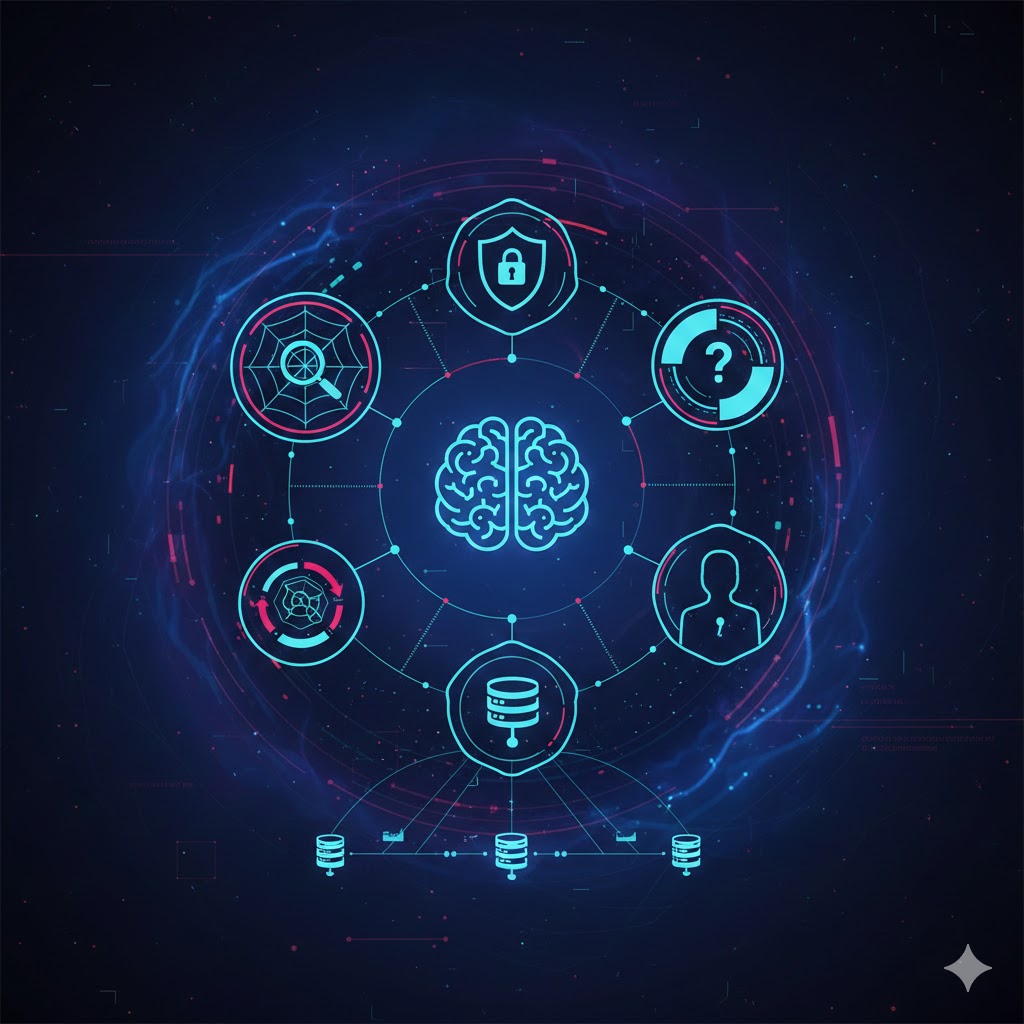
The dark web represents a hidden layer of the internet accessible only through specialized tools like Tor, serving as a breeding ground for cybercriminals trading stolen data, malware, and attack services. Enterprises face escalating risks from data breaches where credentials, PII, and proprietary information surface on underground forums and marketplaces, often leading to ransomware attacks, account takeovers, and supply chain compromises. Dark Web threat intelligence tools address this by continuously scanning hidden networks, analyzing threat actor chatter, and delivering actionable alerts to prevent damage before exploitation occurs. In 2026, with ransomware damages projected to exceed $265 billion annually and nation-state actors targeting critical infrastructure, proactive monitoring has become non-negotiable for business continuity. These tools shift security teams from reactive incident response to predictive defense, identifying leaked credentials in real-time and correlating them with TTPs (tactics, techniques, and procedures). For enterprises, the business importance is clear: early detection reduces breach costs by up to 30%, informs cyber insurance underwriting, and protects third-party risks. At Informatix.Systems, we provide cutting-edge AI, Cloud, and DevOps solutions for enterprise digital transformation, integrating Dark Web threat intelligence into holistic security stacks. This comprehensive guide explains how these tools work, compares top platforms, and outlines implementation strategies tailored for 2026 threats. Readers will gain insights into features, use cases, and selection criteria to fortify their defenses against the dark web's shadows.
What is Dark Web Threat Intelligence?
Dark Web threat intelligence involves collecting, analyzing, and contextualizing data from hidden services, forums, and marketplaces to uncover cyber risks targeting organizations. Unlike surface web monitoring, it penetrates Tor networks to track stolen credentials, phishing kits, ransomware-as-a-service, and data leaks.
Core Components
Key elements include:
- Data Collection: Automated crawlers scan .onion sites, Telegram channels, and paste sites.
- Threat Analysis: AI processes raw data for patterns, actor profiling, and IOCs (indicators of compromise).
- Actionable Insights: Real-time alerts with risk scoring and remediation recommendations.
Why It Matters for Enterprises
Businesses benefit from reduced alert fatigue through enriched intelligence, enabling faster triage and integration with SIEM/SOAR systems. At Informatix.Systems, we provide cutting-edge AI, Cloud, and DevOps solutions for enterprise digital transformation, enhancing these capabilities.
How Dark Web Monitoring Works
Dark Web monitoring employs continuous scanning of underground ecosystems using specialized crawlers and human intelligence. Tools aggregate data from forums, black markets, and leak sites, applying machine learning to filter noise and prioritize threats.
Scanning Process
- Discovery: Index hidden services via Tor.
- Extraction: Pull credentials, PII, and chatter.
- Enrichment: Correlate with known actors and vulnerabilities.
- Alerting: Notify via API or dashboard.
Platforms like Cyble use advanced analytics for real-time notifications, transforming raw feeds into strategic intelligence.
Key Threats Detected by These Tools
Dark Web threat intelligence excels at surfacing high-impact risks:
- Stolen Credentials: Login details sold in bulk, enabling account takeovers.
- Data Leaks: Breached PII from recent incidents.
- Malware Markets: Ransomware kits and exploit tools.
- Phishing Kits: Customizable templates targeting brands.
Enterprise Impact: These threats fuel 80% of breaches; monitoring cuts exposure time from months to hours.
Top Commercial Dark Web Tools
Leading platforms dominate 2026's landscape with enterprise-grade features.
At Informatix.Systems, we provide cutting-edge AI, Cloud, and DevOps solutions for enterprise digital transformation, complementing these tools.
Open Source Dark Web Tools
Cost-effective options suit smaller teams or research.
- TorBot: Crawls .onion sites for intel gathering.
- Onionscan: Scans for vulnerabilities in hidden services.
- deepdarkCTI: Curates threat sources from the dark web.
- Onion-nmap: Maps Tor networks.
Pros: Free, customizable. Cons: Lacks enterprise support and real-time alerting.
Features to Look For
Prioritize tools with:
- Real-Time Scanning: 24/7 coverage of forums and dumps.
- AI Analytics: Pattern detection and false positive reduction.
- Custom Alerts: Tailored to domains, executives, VIPs.
- API Integrations: SIEM, SOAR compatibility.
- Reporting: Executive dashboards and trend analysis.
Enterprise buyers demand scalability and low noise, as seen in Flare's billions of archived data points.
Implementation Guide
Deploy Dark Web threat intelligence in phases.
Step-by-Step Process
- Assess Assets: List domains, emails, and brands.
- Select Tool: Match to needs (e.g., SOCRadar for AI).
- Onboard: Input keywords; expect 15-30 min setup.
- Integrate: Connect to existing stack.
- Train Team: Use vendor playbooks.
- Monitor & Refine: Adjust based on alerts.
At Informatix.Systems, we provide cutting-edge AI, Cloud, and DevOps solutions for enterprise digital transformation, streamlining this process.
Use Cases Across Industries
Dark Web tools shine in targeted scenarios.
- Finance: Credential monitoring prevents fraud.
- Healthcare: PII leak detection for HIPAA compliance.
- Critical Infrastructure: APT tracking.
- Retail: Supply chain ransomware alerts.
- Insurance: Risk underwriting via dark web data.
Third-Party Risk: Evaluate vendor breaches proactively.
Comparing Tools: Pros and Cons
| Category | Strengths | Weaknesses | Examples |
|---|---|---|---|
| Enterprise | Full coverage, support | High cost | SOCRadar, Flare |
| Open Source | Free, flexible | Manual ops | TorBot |
| Hybrid | Balanced features | Integration limits | Lunar |
Choose based on budget and scale; enterprises favor SOCRadar's automation.
Challenges and Mitigation
Common hurdles include:
- Alert Fatigue: Mitigate with risk scoring.
- False Positives: AI filtering is essential.
- Coverage Gaps: Multi-source aggregation.
- Legal Issues: Ensure compliant scanning.
Best Practice: Combine with EASM for full visibility.
Future Trends in 2026
Expect AI-driven predictions, blockchain tracing, and zero-trust integrations. Tools like Cyble's Blaze AI will dominate with autonomous correlation. Quantum-resistant encryption monitoring emerges amid advancing threats. At Informatix.Systems, we provide cutting-edge AI, Cloud, and DevOps solutions for enterprise digital transformation, preparing clients for these shifts. Dark Web threat intelligence tools empower enterprises to outpace cybercriminals by detecting leaks, profiling actors, and enabling proactive defense in 2026. From SOCRadar’s real-time alerts to Flare’s rapid deployment, these platforms deliver ROI through reduced breach impacts and enhanced resilience. Ready to secure your organization? Contact Informatix.Systems today for a customized Dark Web monitoring consultation and integrate cutting-edge AI, Cloud, and DevOps solutions into your strategy. Visit https://informatix.systems now to schedule your demo.
FAQs
What are the best Dark Web threat intelligence tools for enterprises?
Top picks include SOCRadar, Flare, Lunar, and Cyble Vision for their AI analytics and integrations.
How much do Dark Web monitoring tools cost?
Enterprise solutions range from $5/user (basic) to custom subscriptions; open source is free but requires expertise.
Can small businesses use Dark Web tools?
Yes, start with open source like TorBot or affordable scanners like Have I Been Pwned? for essentials.
How quickly can Dark Web monitoring be deployed?
Many platforms, like Flare, deploy in 15-30 minutes with API setup.
What data do these tools monitor?
Credentials, PII, malware, ransomware discussions, and brand mentions across forums and leaks.
Do Dark Web tools integrate with SIEM?
Most enterprise tools support SIEM/SOAR via APIs for automated workflows.
Are open-source Dark Web tools effective?
They excel in research but lack real-time enterprise features; pair with commercial for best results.
How does AI improve Dark Web intelligence?
AI reduces noise, scores risks, and predicts threats via pattern analysis.
No posts found
Write a review