- 3/8, North Pirerbag
- 60 Feet Main Road
- Mirpur, Dhaka 1216
- +880-967-8247365
- support@informatix.systems

Global AI Ethics and Policy for Developing Nations
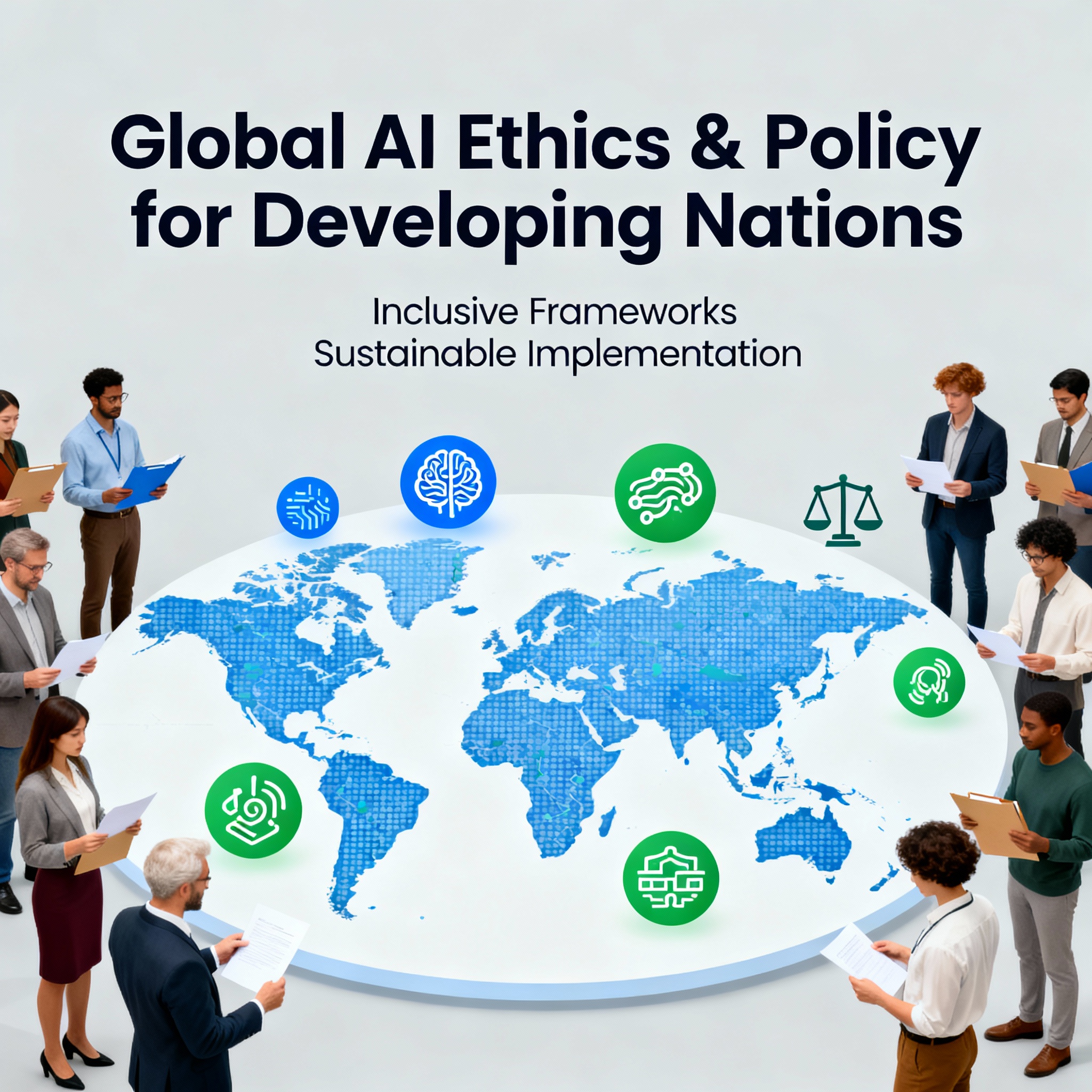
Artificial Intelligence (AI) has emerged as the defining technology of the 21st century, driving innovation across industries, economies, and societies. From enhancing productivity and predictive analytics to enabling smarter governance and healthcare, AI holds limitless potential. However, this transformative power also comes with critical ethical and policy challenges, especially for developing nations, which often lack robust regulatory frameworks or the infrastructure needed to ensure responsible AI deployment. The global AI ethics movement emphasizes fairness, accountability, transparency, and inclusivity. While developed countries lead with well-defined laws and standards, developing nations are at a crossroads, facing a dual challenge: harnessing AI’s benefits while mitigating risks such as bias, surveillance misuse, labor disruption, and digital inequality. The absence of tailored governance can heighten vulnerabilities, making policy development not merely ideal but essential. To ensure that AI technology benefits everyone equitably, developing countries must adopt ethical AI strategies that align with local socioeconomic realities and international standards. Global institutions like UNESCO, the OECD, and the World Economic Forum (WEF) have initiated frameworks, but implementation requires adaptation, education, and coordinated effort. At Informatix.Systems, we provide cutting-edge AI, Cloud, and DevOps solutions for enterprise digital transformation. Beyond innovation, we are committed to promoting responsible AI practices, helping enterprises, governments, and research institutions in developing nations build transparent, trustworthy, and sustainable AI ecosystems that align with ethical governance. This article explores the evolving landscape of global AI ethics and policy, its relevance for developing regions, and how watchdog principles can ensure that the next wave of AI-driven digital transformation remains inclusive, sustainable, and human-centered.
The Importance of AI Ethics in a Global Context
What Is AI Ethics?
AI ethics encompass moral principles and governmental guidelines that ensure AI technology operates in a manner that is fair, accountable, and beneficial to humanity. Ethical AI goes beyond technical efficiency; it considers social justice, inclusivity, and responsibility.
Why Developing Nations Need Ethical AI
Developing nations often face unique challenges that amplify AI’s risks if unchecked:
- Data Colonialism: Foreign entities may exploit data from developing countries without fair compensation.
- Algorithmic Bias: AI trained on limited datasets may discriminate against local populations.
- Job Displacement: Automation may outpace skill development and employment adaptation.
- Privacy Risks: Weak data governance frameworks can enable surveillance misuse.
At Informatix.Systems, we advocate for AI governance rooted in accountability and equity, ensuring innovation serves every segment of society.
Global AI Governance: Where the World Stands
Leading Global Frameworks
- OECD AI Principles: Promoting trustworthy AI focused on human-centered values.
- UNESCO AI Ethics Recommendations (2021): The first globally adopted set of standards emphasizing inclusion and environmental sustainability.
- EU AI Act: Establishing regulatory tiers for AI risk levels, from minimal to unacceptable.
- IEEE Ethics for Autonomous Systems: Addressing technical standardizations for responsible machine behavior.
The Policy Gap for Developing Nations
Most developing economies lack the institutional capacity to design and enforce local AI regulations. Many rely on foreign systems or import technologies without ethical oversight or cultural calibration. Informatix.Systems bridge this gap through policy advisory, scalable frameworks, and localized compliance solutions that empower governments to develop context-specific ethical AI regulations.
The Ethical Principles at the Core of Responsible AI
Transparency
AI systems must be explainable. Users have a right to understand how algorithms influence outcomes.
Fairness
AI decisions must avoid bias and ensure equitable treatment across demographics.
Accountability
Developers and deploying institutions must take responsibility for algorithmic errors or harm.
Privacy and Data Protection
AI must safeguard personal data in compliance with local and international standards.
Sustainability
AI deployments should reduce energy consumption and support the environment through responsible use of resources.informatix.Systems embeds these ethical tenets into its AI lifecycle management and DevOps pipelines, building AI models that are transparent, reliable, and built to serve human values.
AI Policy Challenges Facing Developing Nations
Limited Regulatory Capacity
Developing countries often lack institutional structures for monitoring, auditing, and enforcing AI regulations.
Data Accessibility and Sovereignty
Many nations rely on imported datasets, risking data leaks or manipulation by global corporations.
Technological Dependence
Heavy reliance on foreign AI platforms limits control over ethical or local adaptations.
Economic and Social Inequality
AI must not worsen inequalities by replacing human labor in markets unprepared for automation.Informatix.Systems partners with policy institutions to establish AI ethics frameworks, capacity-building programs, and open-data ecosystems that empower equitable technology development.
Building a National AI Ethics Policy Framework
Establishing Governance Councils
A multistakeholder national AI Ethics Council should include government officials, academia, private sector leaders, and civil society members.
Developing Ethical Guidelines
These should align with international principles but reflect local sociocultural dynamics, such as equitable access, language diversity, and digital inclusion.
Investing in Ethical AI Education
Universities and technology hubs should integrate AI ethics into science, law, and business curricula.
Creating Regulatory Enforcement Systems
Automated and human-led review boards can monitor compliance, especially for sectors like healthcare or public surveillance. At Informatix.Systems, we assist in framework design, Cloud migration, and compliance automation, helping institutions implement robust, transparent AI policies.
Policy and Governance Best Practices
Key Recommendations
- Adopt a Human-in-the-Loop model: Ensure humans oversee AI decision-making in sensitive areas.
- Mandate AI Audits: Regular algorithmic checks for bias and transparency.
- Ensure Open AI Research Funding: Support public institutions developing local AI research capacity.
- Promote Ethical Data Economies: Fair compensation for local data sources.
- Establish Cross-Border Collaboration: Share knowledge and regulatory models regionally through alliances like ASEAN or SAARC.
Informatix.Systems reinforces these principles through its AI governance integration systems, merging ethical analytics with real-time compliance dashboards.
Benefits of an Ethical AI Ecosystem in Developing Nations
Trust and Adoption
Organizations gain public trust when citizens believe AI works fairly and transparently.
Economic Empowerment
Responsible AI policies attract foreign investment by ensuring digital security and compliance.
International Collaboration
Alignment with global AI principles strengthens global trade and research cooperation.Informatix.Systems provides consultation on AI alignment strategies to help clients maximize efficiency while adhering to global ethical standards.
The Role of AI in Sustainable Development
AI ethics directly ties into the UN Sustainable Development Goals (SDGs), particularly goals on quality education, sustainable infrastructure, and reduced inequality.
Developing nations can leverage responsible AI to:
- Predict and address climate challenges.
- Optimize agricultural production with minimal environmental impact.
- Deliver equitable healthcare access via predictive diagnostics.
At Informatix.Systems, we develop AI systems that balance innovation with planetary stewardship, ensuring that technological advancement aligns with long-term sustainability.
How Developing Nations Are Implementing AI Ethics
India
Introduced the Responsible AI for All initiative, emphasizing transparency, accountability, and inclusivity in public services.
Kenya
Adopted ethical AI applications in agriculture and health, guided by community-based digital data standards.
Brazil
Implemented national AI ethics guidelines under its Digital Transformation Strategy (E-Digital).
Informatix.Systems Contributions
Our collaboration with regional enterprises in South Asia and Africa enables localized AI ethics audits, Cloud integration, and responsible DevOps strategies that flatten socio-technical disparities.
Future Outlook: A Global Collaborative Framework for AI Ethics
Democratizing AI Governance
AI development must be participatory. Governments, private companies, researchers, and citizens should co-create ethical policies.
Emphasis on AI for Good
AI policies must focus on solving societal challenges, education, climate resilience, healthcare, and governance excellence.
Informatix.Systems’ Vision
We envision a future where AI innovation and regulation evolve together, sharing responsibility across global ecosystems to ensure all nations benefit equally from intelligent technologies.
Challenges Ahead and the Path Forward
- Regulatory Fragmentation: Different policies across countries hinder regional collaboration.
- AI Infrastructure Costs: Developing nations need affordable computing and Cloud services.
- Misinformation and Deepfake Risks: Require advanced media verification tools.
- Ethical Workforce Training: Building human capacity to manage AI responsibly.
- Cybersecurity Integration: Protecting ethical AI from malicious manipulation.
Through AI-driven compliance and Cloud-native governance, Informatix.Systems equip organizations to meet these challenges with agility and integrity. Developing nations stand at a defining juncture, as the benefits of AI collide with urgent ethical and governance demands. Building a responsible AI framework is no longer optional; it is foundational to digital resilience, economic equity, and national sovereignty. By embracing AI ethics and forward-thinking policy design, these nations can leapfrog into global leadership, ensuring AI enhances human welfare rather than threatening it. At Informatix.Systems, we provide cutting-edge AI, Cloud, and DevOps solutions for enterprise digital transformation. Our commitment to ethical AI innovation supports nations, enterprises, and communities in building technology ecosystems grounded in transparency, inclusivity, and sustainability. Together, we can ensure the future of AI is safe, ethical, and empowering for all.
FAQs
What is AI ethics?
AI ethics refers to principles that ensure artificial intelligence systems operate transparently, fairly, and responsibly toward all stakeholders.
Why are AI ethics important for developing nations?
Without ethical frameworks, developing nations risk technological misuse, data exploitation, and social inequality from unregulated AI adoption.
Who sets global AI ethical standards?
Organizations like UNESCO, the OECD, and the European Union create globally recognized frameworks promoting safe and trusted AI practices.
What are the main AI ethical principles?
Transparency, accountability, fairness, privacy, and sustainability form the core of AI ethical governance.
How can developing countries implement AI governance?
By establishing national AI councils, drafting inclusive policies, investing in digital skill development, and collaborating globally.
What challenges do developing nations face with AI ethics?
Limited regulation, technological capacity gaps, and insufficient public awareness hinder ethical AI implementation.
How does Informatix.Systems promote AI ethics?
We integrate ethical AI practices into Cloud and DevOps systems, providing tools for compliance monitoring, data transparency, and responsible governance.
What is the future of global AI policy?
A unified international framework emphasizing inclusivity, data sovereignty, and collaborative regulation will define the global AI landscape.
কৃত্রিম বুদ্ধিমত্তা (AI) আজ একবিংশ শতাব্দীর সবচেয়ে প্রভাবশালী প্রযুক্তি হিসেবে বিশ্বব্যাপী উদ্ভাবনের চালিকাশক্তি হয়ে উঠেছে। উৎপাদনশীলতা বৃদ্ধি, প্রেডিক্টিভ অ্যানালিটিক্স উন্নয়ন, স্মার্ট শাসনব্যবস্থা থেকে শুরু করে স্বাস্থ্যখাতে ডিজিটাল সেবা-AI-এর সম্ভাবনা কার্যত সীমাহীন। কিন্তু এই শক্তির সঙ্গে আসে জটিল নৈতিক ও নীতিগত চ্যালেঞ্জ, বিশেষত উন্নয়নশীল দেশগুলোর জন্য, যেখানে শক্তিশালী নিয়ন্ত্রক কাঠামো ও দায়িত্বশীল বাস্তবায়নের জন্য প্রয়োজনীয় অবকাঠামো প্রায়ই অনুপস্থিত।
বৈশ্বিক প্রেক্ষাপটে AI নৈতিকতার গুরুত্ব
AI নৈতিকতা কী?
AI নৈতিকতা মূলত এমন একগুচ্ছ নীতি, মানদণ্ড এবং দিকনির্দেশনা যা নিশ্চিত করে প্রযুক্তিটি ন্যায়সঙ্গত, জবাবদিহিমূলক ও মানবকল্যাণকেন্দ্রিকভাবে পরিচালিত হচ্ছে। এটি প্রযুক্তিগত দক্ষতার বাইরেও সামাজিক ন্যায়, দায়িত্বশীলতা ও অন্তর্ভুক্তির মূল্যবোধকে অন্তর্ভুক্ত করে।
উন্নয়নশীল দেশগুলোর জন্য নৈতিক AI কেন প্রয়োজনীয়:
AI অবাধ ব্যবহারে উন্নয়নশীল দেশগুলো নানা ঝুঁকির মুখোমুখি হচ্ছে—
- ডেটা উপনিবেশবাদ: বৈদেশিক প্রতিষ্ঠান স্থানীয় ডেটা ব্যবহার করলেও ন্যায্য প্রতিদান প্রায়ই দেয় না।
- অ্যালগরিদমিক পক্ষপাত: সীমিত বা বিদেশি ডেটাসেট স্থানীয় জনগোষ্ঠীর বিরুদ্ধে বৈষম্য তৈরি করতে পারে।
- কর্মসংস্থান হ্রাস: অটোমেশন দক্ষতা উন্নয়নের চেয়ে দ্রুত অগ্রসর হচ্ছে।
- গোপনীয়তা লঙ্ঘন: দুর্বল ডেটা নীতিমালার কারণে নজরদারির অপব্যবহার ঘটতে পারে।
Informatix.Systems বিশ্বাস করে, উন্নয়নশীল দেশগুলোতে জবাবদিহি ও ন্যায্যতার ভিত্তিতে AI প্রশাসন গড়ে তোলা সময়ের দাবি,যেখানে উদ্ভাবন সব শ্রেণির মানুষের সেবায় নিয়োজিত হবে।
বৈশ্বিক AI শাসনব্যবস্থা: বর্তমান অবস্থা
প্রধান আন্তর্জাতিক কাঠামোসমূহ:
- OECD AI Principles: মানবকেন্দ্রিক ও বিশ্বাসযোগ্য AI উন্নয়নে আন্তর্জাতিক মান নির্ধারণ।
- UNESCO AI Ethics Recommendation (২০২১): অন্তর্ভুক্তি ও পরিবেশগত টেকসইতার ওপর প্রথম বৈশ্বিক মানদণ্ড।
- EU AI Act: ঝুঁকির মাত্রা অনুযায়ী (ন্যূনতম থেকে অগ্রহণযোগ্য) AI সিস্টেমগুলোর শ্রেণিবিন্যাস ও নিয়ন্ত্রণ।
- IEEE Ethics for Autonomous Systems: দায়িত্বশীল যন্ত্র আচরণের জন্য প্রযুক্তিগত মান সংজ্ঞায়ন।
উন্নয়নশীল দেশগুলোর নীতি ব্যবধান:
অধিকাংশ দেশে AI তদারকি ও প্রয়োগের জন্য যথাযথ প্রাতিষ্ঠানিক কাঠামো নেই। ফলে অনেক ক্ষেত্রেই বিদেশি প্রযুক্তি নৈতিক যাচাই ছাড়াই ব্যবহৃত হচ্ছে। Informatix.Systems এই ব্যবধান দূর করতে নীতি পরামর্শ, স্কেলযোগ্য কাঠামো, ও স্থানীয় অনুবর্তন সমাধান প্রদান করে।
দায়িত্বশীল AI-এর মূল নৈতিক ভিত্তি
- স্বচ্ছতা: ব্যবহারকারীদের জানতে হবে অ্যালগরিদম কীভাবে সিদ্ধান্ত নিচ্ছে।
- ন্যায়: সিদ্ধান্তে কোনো পক্ষপাত বা বৈষম্য থাকবে না।
- দায়বদ্ধতা: বিকাশকারী ও ব্যবহারকারী প্রতিষ্ঠান সিদ্ধান্তের ফলাফলের জন্য দায়ী থাকবে।
- গোপনীয়তা ও তথ্য সুরক্ষা: স্থানীয় ও আন্তর্জাতিক মান অনুযায়ী ব্যক্তিগত তথ্যের সুরক্ষা নিশ্চিত করা।
- টেকসইতা: শক্তি-সাশ্রয়ী ও পরিবেশবান্ধব প্রযুক্তি ব্যবহার।
Informatix.Systems এই নীতিগুলোকে AI উন্নয়নচক্র ও DevOps কাঠামোর মধ্যে সংহত করে স্বচ্ছ, নির্ভরযোগ্য ও মানবিক AI মডেল তৈরি করছে।
উন্নয়নশীল দেশের নীতিগত চ্যালেঞ্জ
- নিয়ন্ত্রণক্ষমতার অভাব: নীতিমালা পর্যবেক্ষণ ও প্রয়োগের জন্য প্রাতিষ্ঠানিক দুর্বলতা।
- ডেটা সার্বভৌমত্বের ঝুঁকি: বিদেশি ডেটাসেটের ওপর নির্ভরতা এবং ডেটা অপব্যবহারের সম্ভাবনা।
- প্রযুক্তিগত নির্ভরতা: বিদেশি AI প্ল্যাটফর্ম স্থানীয় চাহিদার সঙ্গে মানানসই নয়।
- সামাজিক বৈষম্য: অটোমেশন প্রশিক্ষণের অভাবে কর্মক্ষেত্রে অসাম্য বাড়াতে পারে।
Informatix.Systems সরকার ও সংস্থাগুলোর সঙ্গে কাজ করছে AI ethics framework, প্রশিক্ষণ উদ্যোগ ও ওপেন ডেটা ইকোসিস্টেম গড়ে তুলতে।
জাতীয় AI নীতিমালা কাঠামো নির্মাণ
- AI Ethics Council গঠন: সরকার, ব্যবসা প্রতিষ্ঠান, একাডেমিয়া ও নাগরিক সমাজের সদস্যদের সমন্বয়ে বহুপক্ষীয় পরামর্শবোর্ড।
- নৈতিক নির্দেশিকা তৈরি: আন্তর্জাতিক মান অনুসারে কিন্তু স্থানীয় সংস্কৃতি ও সামাজিক বাস্তবতার প্রতিফলনসহ।
- নৈতিক শিক্ষা বিনিয়োগ: বিশ্ববিদ্যালয় ও প্রযুক্তিকেন্দ্রে AI নৈতিকতা পাঠক্রম অন্তর্ভুক্তি।
- নিয়ন্ত্রক তদারকি ব্যবস্থাপনা: মানব ও স্বয়ংক্রিয় উভয় পর্যালোচনাব্যবস্থা গঠন বিশেষত স্বাস্থ্য ও জননিরাপত্তা ক্ষেত্রে।
Informatix.Systems এই উদ্যোগে framework design, Cloud migration, এবং compliance automation সহায়তা প্রদান করে।
সেরা অনুশীলন ও নীতিগত পরামর্শ
- Human-in-the-Loop মডেল: সংবেদনশীল সিদ্ধান্তে মানুষের ভূমিকা অপরিহার্য।
- AI Auditing বাধ্যতামূলক করা: পক্ষপাত ও স্বচ্ছতার নিয়মিত মূল্যায়ন।
- গবেষণার জন্য ওপেন ফান্ডিং: স্থানীয় গবেষণা সক্ষমতা বৃদ্ধির জন্য তহবিল সহায়তা।
- Ethical Data Economy গঠন: স্থানীয় তথ্য উৎসকে ন্যায্য পারিশ্রমিক প্রদান।
- সীমান্তপারের সহযোগিতা: আঞ্চলিক জোট (যেমন SAARC, ASEAN) এর মাধ্যমে জ্ঞান ও নীতি বিনিময়।
Informatix.Systems তার AI governance dashboards ও ethical analytics systems এর মাধ্যমে রিয়েল-টাইম সঙ্গতি নিশ্চিত করছে।
নৈতিক AI ইকোসিস্টেমের সুফল
- জনআস্থা বৃদ্ধি: স্বচ্ছ ও ন্যায্য প্রযুক্তি নাগরিকদের আস্থা অর্জন করে।
- অর্থনৈতিক ক্ষমতায়ন: নীতিসঙ্গত প্রযুক্তি বিদেশি বিনিয়োগ আকর্ষণ করে।
- আন্তর্জাতিক অংশীদারিত্ব: বৈশ্বিক নীতিমালার সঙ্গে সামঞ্জস্য আন্তর্জাতিক সহযোগিতা জোরদার করে।
Informatix.Systems ক্লায়েন্ট প্রতিষ্ঠানের জন্য AI alignment strategy নির্ধারণ করে বিশ্বমানের সঙ্গে সামঞ্জস্যপূর্ণ বৃদ্ধি নিশ্চিত করছে।
টেকসই উন্নয়ন ও AI
AI নৈতিকতা সরাসরি জাতিসংঘের টেকসই উন্নয়ন লক্ষ্যমাত্রা (SDGs)-এর সঙ্গে সম্পর্কিত,বিশেষ করে গুণগত শিক্ষা, টেকসই অবকাঠামো, এবং বৈষম্য হ্রাসে।
উন্নয়নশীল দেশগুলো AI ব্যবহার করে পারবে:
- জলবায়ু ঝুঁকি পূর্বাভাস দিতে
- পরিবেশবান্ধব কৃষি উৎপাদন বৃদ্ধি করতে
- প্রেডিক্টিভ হেলথ ডায়াগনস্টিকের মাধ্যমে স্বাস্থ্যসেবার সমান প্রবেশাধিকার নিশ্চিত করতে
Informatix.Systems উদ্ভাবন ও পরিবেশ দায়বদ্ধতার মধ্যে ভারসাম্য সৃষ্টি করে টেকসই উন্নয়নে সহায়তা করছে।
বাস্তব অভিজ্ঞতা
- ভারত: Responsible AI for All উদ্যোগে স্বচ্ছতা ও অন্তর্ভুক্তির ওপর জোর।
- কেনিয়া: কৃষি ও স্বাস্থ্যখাতে কমিউনিটি-নির্ভর ডেটা স্ট্যান্ডার্ড ব্যবহার।
- ব্রাজিল: ডিজিটাল ট্রান্সফরমেশন স্ট্র্যাটেজি (E-Digital) এর অধীনে জাতীয় AI নৈতিকতা নীতি।
Informatix.Systems দক্ষিণ এশিয়া ও আফ্রিকার বিভিন্ন অঞ্চলে অংশীদারিত্বের মাধ্যমে AI auditing, Cloud integration ও নৈতিক DevOps বাস্তবায়ন করছে।
ভবিষ্যতের দিকনির্দেশনা: বৈশ্বিক সহযোগী কাঠামো
- AI শাসনের গণতন্ত্রায়ন: সরকার, বেসরকারি খাত, গবেষক ও নাগরিকদের সক্রিয় অংশগ্রহণ অপরিহার্য।
- AI for Good: শিক্ষা, জলবায়ু অভিযোজন, স্বাস্থ্য ও প্রশাসনে ইতিবাচক প্রভাব সৃষ্টিতে মনোনিবেশ।
- Informatix.Systems-এর দৃষ্টি: বৈশ্বিক সহযোগিতার মাধ্যমে উদ্ভাবন ও নিয়ন্ত্রণ একসাথে বিকাশ করা, যাতে প্রতিটি দেশ ন্যায্য প্রযুক্তিগত সুবিধা ভোগ করে।
ভবিষ্যতের চ্যালেঞ্জ
- নীতি বিভাজন ও আঞ্চলিক অসংগতি
- অবকাঠামোগত ব্যয়
- বিভ্রান্তিমূলক তথ্য ও ডিপফেক ঝুঁকি
- দক্ষ কর্মশক্তি প্রস্তুতিতে ঘাটতি
- নৈতিক সাইবার নিরাপত্তা জোরদার প্রয়োজন
Informatix.Systems তার AI-driven compliance ও Cloud-native governance মডেলের মাধ্যমে প্রতিষ্ঠানগুলোকে চৌকস ও বিশ্বস্ত হতে সহায়তা করছে।উন্নয়নশীল দেশগুলো এখন প্রযুক্তিগত অগ্রগতির এক সংবেদনশীল মোড়ে দাঁড়িয়ে,যেখানে AI-এর সম্ভাবনার পাশাপাশি নৈতিক ও নীতিগত দায়িত্ব সমান গুরুত্বপূর্ণ।একটি শক্তিশালী, স্বচ্ছ, এবং দায়িত্বশীল AI কাঠামো এখন বিলাসিতা নয়,এটি ডিজিটাল স্থিতিশীলতা, অর্থনৈতিক ন্যায়বিচার এবং জাতীয় সার্বভৌমত্বের ভিত্তি।Informatix.Systems ভবিষ্যতের নৈতিক, অন্তর্ভুক্তিমূলক এবং টেকসই প্রযুক্তিনির্ভর সমাজ গঠনে প্রতিশ্রুতিবদ্ধ,যেখানে উদ্ভাবন মানবকল্যাণেরই সমার্থক হবে।
এআই নৈতিকতা কী?
এআই নৈতিকতা এমন নীতিমালাকে বোঝায় যা নিশ্চিত করে যে কৃত্রিম বুদ্ধিমত্তা ব্যবস্থা স্বচ্ছ, ন্যায্য এবং দায়িত্বশীলভাবে সকল অংশীজনের প্রতি আচরণ করে।
উন্নয়নশীল দেশগুলোর জন্য এআই নৈতিকতা কেন গুরুত্বপূর্ণ?
নৈতিক কাঠামো ছাড়া উন্নয়নশীল দেশগুলো অনিয়ন্ত্রিত এআই গ্রহণের মাধ্যমে প্রযুক্তির অপব্যবহার, ডেটা শোষণ এবং সামাজিক বৈষম্যের ঝুঁকিতে পড়তে পারে।
বৈশ্বিক এআই নৈতিক মান কে নির্ধারণ করে?
ইউনেসকো (UNESCO), ওইসিডি (OECD) এবং ইউরোপীয় ইউনিয়নের মতো আন্তর্জাতিক সংস্থাগুলো নিরাপদ ও বিশ্বস্ত এআই অনুশীলনকে উৎসাহিত করে এমন বৈশ্বিক নীতিমালা তৈরি করে।
এআই নৈতিকতার মূল নীতিগুলো কী কী?
স্বচ্ছতা, জবাবদিহিতা, ন্যায্যতা, গোপনীয়তা এবং টেকসইতা, এই উপাদানগুলো এআই নৈতিক প্রশাসনের মূল ভিত্তি গঠন করে।
উন্নয়নশীল দেশগুলো কীভাবে এআই গভর্ন্যান্স বাস্তবায়ন করতে পারে?
জাতীয় এআই কাউন্সিল প্রতিষ্ঠা, অন্তর্ভুক্তিমূলক নীতিমালা প্রণয়ন, ডিজিটাল দক্ষতা উন্নয়নে বিনিয়োগ এবং আন্তর্জাতিক সহযোগিতার মাধ্যমে কার্যকর বাস্তবায়ন সম্ভব।
এআই নৈতিকতায় উন্নয়নশীল দেশগুলো কী ধরনের চ্যালেঞ্জের মুখোমুখি হয়?
সীমিত নিয়ন্ত্রক কাঠামো, প্রযুক্তিগত সক্ষমতার ঘাটতি এবং জনসচেতনতায় অভাব নৈতিক এআই বাস্তবায়নে বাধা সৃষ্টি করে।
Informatix.Systems কীভাবে এআই নৈতিকতাকে উৎসাহিত করে?
আমরা ক্লাউড ও ডেভঅপস সিস্টেমে নৈতিক এআই অনুশীলন সংযোজন করি, যা কমপ্লায়েন্স মনিটরিং, ডেটা স্বচ্ছতা এবং দায়িত্বশীল গভর্ন্যান্সকে সক্ষম করে।
বৈশ্বিক এআই নীতির ভবিষ্যৎ কেমন হবে?
একটি ঐক্যবদ্ধ আন্তর্জাতিক কাঠামো,যা অন্তর্ভুক্তিমূলকতা, ডেটা সার্বভৌমত্ব এবং সহযোগিতামূলক নিয়ন্ত্রণে গুরুত্ব দেয়,ভবিষ্যতের বৈশ্বিক এআই পরিবেশ নির্ধারণ করবে।
No posts found
Write a review