- 3/8, North Pirerbag
- 60 Feet Main Road
- Mirpur, Dhaka 1216
- +880-967-8247365
- support@informatix.systems

The Importance of Zero-Trust Security in Modern Infrastructure
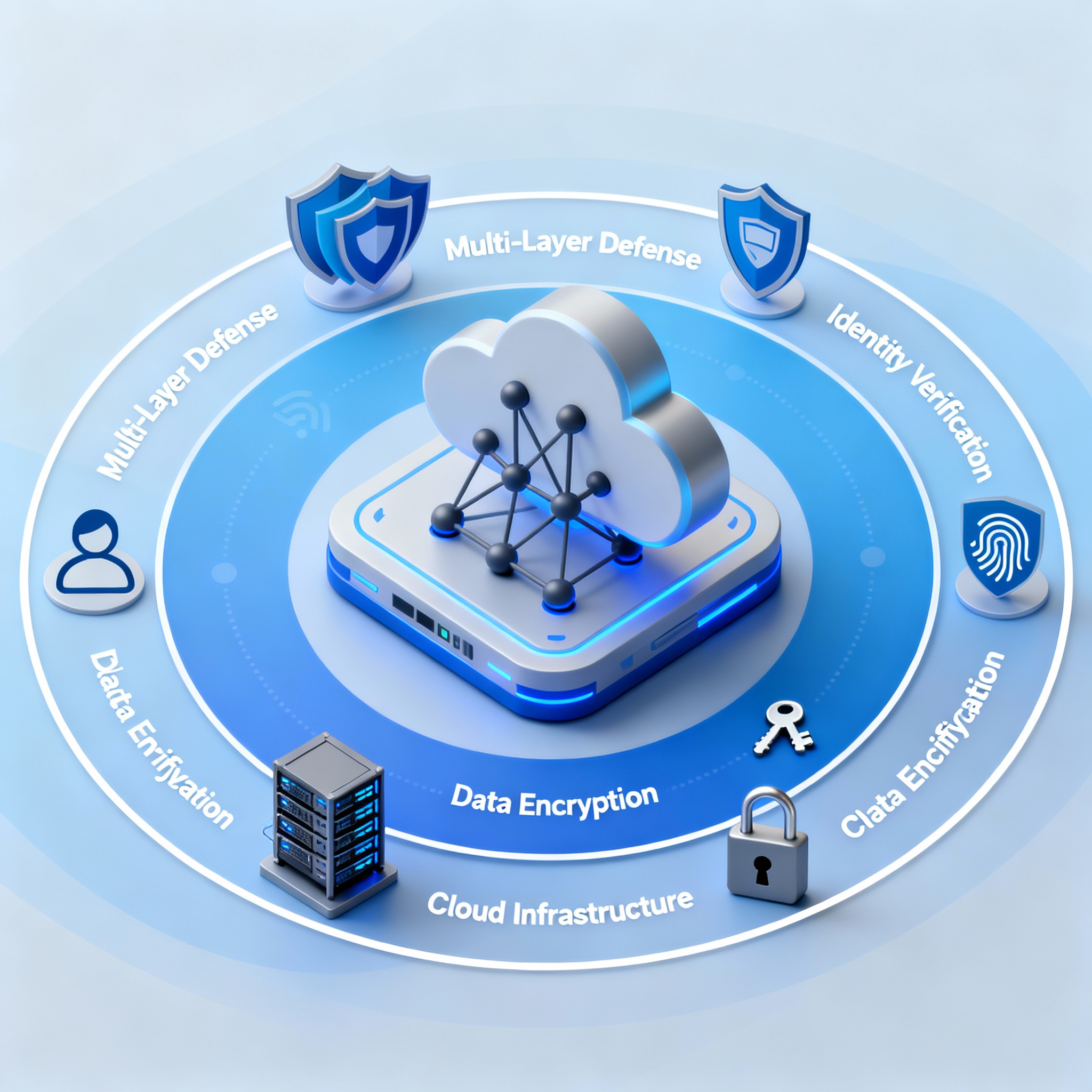
In today's hyperconnected digital ecosystem, where enterprises rely on hybrid and multi-cloud environments, traditional perimeter-based security models are no longer sufficient. Cyberattacks have grown increasingly sophisticated, leveraging lateral movement, credential abuse, and cloud misconfigurations to bypass outdated defenses. As a result, the trust but verify mindset has become dangerous for enterprises operating in distributed environments. Enter the Zero-Trust Security mode, a philosophy and architecture that assumes no entity, whether inside or outside the network, is inherently trustworthy. Every access request is continuously validated based on identity, context, and risk posture. For modern organizations, Zero Trust is not just another cybersecurity trend; it's a strategic framework that aligns business resilience with digital transformation. As enterprises move toward remote work, multi-cloud architectures, and API-driven ecosystems, the need for constant verification and adaptive access control has become a top priority for CISOs and IT leaders. At Informatix Systems, we empower enterprises to build Zero-Trust-aligned infrastructures using AI-driven analytics, cloud-native automation, and DevSecOps practices. Our end-to-end approach integrates identity management, continuous monitoring, and risk-based adaptive enforcement across complex ecosystems, ensuring that security supports innovation without slowing business agility.
Understanding the Zero-Trust Security Model
Zero Trust fundamentally changes how enterprise security operates. Rather than relying on network boundaries, it is built on continuous verification and least-privilege principles.
Core Principles of Zero Trust
- Never trust, always verify: Every access attempt must be verified regardless of location.
- Least privilege access: Users and devices receive only the minimum necessary permissions.
- Assume breach: Infrastructure should be designed with the expectation that attackers may already be present.
Why Traditional Security Models Fail
- Perimeter-based firewalls cannot protect cloud and remote endpoints.
- Insider threats and compromised credentials bypass static access rules.
- Complex hybrid systems increase attack surfaces beyond manageable limits.
By implementing zero trust, enterprises gain dynamic control over access, drastically reducing potential lateral movement after a breach.
The Business Imperative for Zero Trust
Zero-trust security directly impacts business performance, compliance, and customer trust.
Key Business Drivers
- Digital transformation demands flexible yet secure architectures.
- Compliance and regulations such as GDPR, NIST, and ISO 27001 emphasize identity and data protection.
- Brand reputation depends on maintaining privacy and reducing breach scenarios.
Quantifying Business Value
According to global cybersecurity studies, companies adopting Zero Trust experience 50% fewer data breaches and significantly reduced remediation costs. Furthermore, improved visibility and governance foster stronger board-level assurance. At Informatix.Systems, we help enterprises align Zero Trust frameworks with business KPIs, ensuring that security investments drive measurable operational and reputational benefits.
Core Pillars of Zero-Trust Architecture
Identity and Access Management (IAM)
Identity acts as the new perimeter. Robust IAM frameworks enable dynamic authentication and policy enforcement across hybrid environments.
Essential practices:
- Multi-factor authentication (MFA)
- Single sign-on (SSO)
- Role-based access control (RBAC) and Attribute-based access control (ABAC)
Device Security and Posture Management
All connected devices must be verified for compliance before gaining access.
Best practices include:
- Continuous endpoint monitoring
- Mobile device management (MDM)
- Secure BYOD policies
Network Segmentation
Microsegmentation confines attacks and prevents lateral movement across the network. Each application or workload segment communicates through policy-based controls.
Data Protection and Encryption
Encrypt data both in transit and at rest. Apply contextual access controls for sensitive information shared across multi-cloud environments.
Zero Trust in Multi-Cloud and Hybrid Environments
As organizations distribute workloads across AWS, Azure, and Google Cloud, maintaining consistent control and visibility becomes challenging.
Challenges include:
- Decentralized identity management
- Inconsistent policy enforcement
- Different compliance standards
Solutions from Informatix.Systems:
- Unified policy orchestration across clouds
- Cloud-native Zero-Trust frameworks using infrastructure-as-code (IaC)
- AI-driven audit trails and anomaly detection
Our AI and Cloud expertise ensures enterprises maintain secure workloads and compliance across dynamic platforms from private infrastructure to SaaS tools.
Zero Trust and DevSecOps Integration
Zero-Trust aligns naturally with DevSecOps, embedding security throughout the software delivery lifecycle.
Key Integration Points
- Shift-left Security: Testing and validation early in development.
- CI/CD Security Gates: Enforce compliance automatically before deployment.
- Runtime Monitoring: Detect and respond to anomalies post-deployment.
At Informatix.Systems, we implement automated DevSecOps frameworks to ensure each code commit, container build, and microservice adheres to zero-trust compliance.
Leveraging Artificial Intelligence for Zero Trust
AI enhances Zero-Trust architectures by making them context-aware and adaptive.
AI-driven Capabilities
- Behavioral analytics: Identifies deviations from usual patterns.
- Automated threat detection: Instantly mitigates high-risk access requests.
- Predictive access models: Dynamically adjust policies based on risk scoring.
AI accelerates policy enforcement, compliance reporting, and anomaly detection, enabling faster, more intelligent decision-making in enterprise environments.
Zero Trust and Regulatory Compliance
Regulatory frameworks increasingly recommend or mandate zero-trust adoption.
Examples include:
- NIST SP 800-207 Zero Trust Architecture guidelines
- CISA Zero Trust Maturity Model for public and private sectors
- GDPR, HIPAA, PCI DSS for enterprise data protection
Adopting Zero Trust through platforms like Informatix.Systems simplifies compliance audits by providing traceable access records and policy automation.
Steps for Implementing Zero Trust
Zero-Trust implementation is a journey involving strategy, technology, and culture.
Implementation Roadmap
- Assess current state: Identify users, assets, and data flows.
- Define policies: Develop identity, device, and data trust models.
- Modernize infrastructure: Integrate identity-centric controls across environments.
- Automate enforcement: Leverage AI-driven orchestration and visibility tools.
- Continuously monitor: Evaluate posture and threat dynamics in real time.
At Informatix.Systems, we guide enterprises through phased Zero-Trust deployment using our AI-Oriented Security and Cloud Integration Framework.
Overcoming Zero-Trust Adoption Challenges
Despite its benefits, enterprises often face hurdles during implementation.
Common Challenges:
- Legacy systems lacking identity APIs
- Skillset shortages for cloud-native policy management
- Resistance to the cultural shift toward continuous verification
Our Solutions:
- Hybrid architecture redesign using containerized modules
- Workforce training for modern IAM and security analytics
- Managed services for continuous optimization
By partnering with Informatix.Systems, organizations can adopt a tailored roadmap that reduces risk and accelerates ROI.
The Future of Zero-Trust Security
The evolution of Zero Trust extends beyond infrastructure, integrating with AI, blockchain, and quantum-resistant encryption.
Emerging Trends
- Autonomous Security Operations Centers (ASOCs) powered by AI.
- Zero Trust in IoT and Edge Computing, securing billions of connected devices.
- Contextual Trust Models combining machine learning with real-time intelligence.
As cyber threats continue to evolve, enterprises that embed Zero Trust principles into their digital foundation will achieve sustainable resilience and competitive advantage. Zero-Trust Security represents a paradigm shift in how enterprises protect modern infrastructure. It’s not merely a defensive tactic but a proactive framework for enabling secure innovation, regulatory alignment, and customer confidence. At Informatix.Systems, we provide cutting-edge AI, Cloud, and DevOps solutions that help enterprises transition smoothly into Zero-Trust environments. Our integrated frameworks reduce risk, enhance visibility, and ensure security becomes a core enabler of business growth.
FAQs
What is the main concept behind Zero-Trust Security?
Zero Trust assumes no user or device should be trusted automatically. Access must be continuously verified using risk-based authentication and dynamic policy enforcement.
Why is Zero Trust critical for cloud-based enterprises?
Because cloud environments are borderless, Zero Trust ensures consistent protection regardless of network location, enabling safe remote collaboration.
How can Informatix Systems help implement Zero Trust?
We offer AI-driven Zero-Trust frameworks integrating identity management, network microsegmentation, and compliance automation across hybrid ecosystems.
Does Zero Trust impact productivity?
No, when implemented effectively, it enhances operational agility by aligning security with business objectives and digital workflows.
Is Zero Trust costly to deploy?
Initial setup may require investment, but automated control reduces long-term costs from breaches and compliance risks.
Can Zero Trust work with legacy applications?
Yes. Through hybrid integrations, legacy systems can adopt identity proxies and cloud-based gateways to participate in Zero-Trust environments.
How does AI enhance Zero Trust frameworks?
AI provides continuous learning and adaptive responses, helping detect sophisticated threats and unauthorized behaviors before damage occurs.
What industries benefit most from Zero Trust?
Financial, healthcare, government, and technology enterprises, especially those managing sensitive data and compliance requirements.
আজকের হাইব্রিড ও মাল্টি‑ক্লাউড পৃথিবীতে প্রচলিত নেটওয়ার্ক‑ভিত্তিক নিরাপত্তা ধারণা আর কার্যকর নয়। Trust but verify‑এর পুরনো দর্শন এখন ঝুঁকির প্রতীক। সাইবার আক্রমণকারীরা এন্টারপ্রাইজ সিস্টেমে ল্যাটারাল মুভমেন্ট, ক্রেডেনশিয়াল অপব্যবহার ও ক্লাউড মিসকনফিগারেশন‑এর মতো জটিল কৌশল ব্যবহার করছে।এই অবস্থায় একমাত্র কার্যকর সমাধান হলো Zero‑Trust Security Model, যা ধরে নেয়,কোনো ইউজার, ডিভাইস বা অ্যাপ কোনোভাবে বিশ্বস্ত নয়, যতক্ষণ না প্রতিটি অনুরোধ বাস্তব‑সময়ে যাচাই (verify) হয়। এই পদ্ধতির লক্ষ্য হলো নিরবচ্ছিন্ন যাচাই, সীমিত অ্যাক্সেস এবং ঝুঁকি‑ভিত্তিক সিদ্ধান্ত।Informatix.Systems এন্টারপ্রাইজগুলোর জন্য AI‑চালিত অ্যানালিটিকস, ক্লাউড‑নেটিভ অটোমেশন এবং DevSecOps‑সমন্বিত ফ্রেমওয়ার্কের মাধ্যমে Zero‑Trust অবকাঠামো নির্মাণ করে, যেখানে নিরাপত্তা ব্যবসার দ্রুততাকে বাধা না দিয়ে বরং শক্তিশালী করে।
Zero‑Trust Security কীভাবে কাজ করে
Zero‑Trust পুরনো পেরিমিটার‑নির্ভর সুরক্ষার পরিবর্তে তৈরি হয়েছে তিনটি মৌলিক নীতিতে—
প্রধান নীতি:
- Never Trust, Always Verify: নেটওয়ার্কের ভিতরে বা বাইরে—প্রতিটি অনুরোধ যাচাইযোগ্য।
- Least Privilege: প্রত্যেকের জন্য কেবল প্রয়োজনীয় সীমিত অনুমতি।
- Assume Breach: আক্রমণের সম্ভাবনাকে আগেই ধরে নিয়ে স্থাপত্য তৈরি।
কেন পুরনো মডেল ব্যর্থ:
- শুধুমাত্র ফায়ারওয়াল‑ভিত্তিক সুরক্ষা ক্লাউড ও রিমোট ডিভাইস রক্ষা করতে পারে না।
- ইনসাইডার থ্রেট ও চুরি হওয়া ক্রেডেনশিয়াল স্থির নিয়ম ভেঙে দেয়।
- হাইব্রিড সিস্টেম আক্রমণের ক্ষেত্র দ্বিগুণ করে তোলে।
Zero‑Trust বাস্তবায়নের মাধ্যমে প্রতিষ্ঠানগুলো নেটওয়ার্কে আক্রমণের ল্যাটারাল মুভমেন্ট ৮০% পর্যন্ত কমাতে সক্ষম হয়।
কেন Zero‑Trust জরুরি ব্যবসার জন্য
- ডিজিটাল ট্রান্সফরমেশন: স্কেলেবিলিটি ও সিকিউরিটি একসাথে চাই।
- কমপ্লায়েন্স: GDPR, NIST, ISO 27001‑এর মতো মান নিয়ম Identity Protection‑এর উপর গুরুত্ব দেয়।
- Brand Trust: ডেটা ব্রিচ আস্থার ক্ষয় ঘটায়, Zero‑Trust সেটি পুনর্নির্মাণ করে।
গ্লোবাল রিপোর্ট অনুযায়ী, Zero‑Trust গৃহীত কোম্পানির ডেটা ব্রিচ ৫০% কম এবং রেমেডিয়েশন খরচ উল্লেখযোগ্যভাবে হ্রাস পেয়েছে।
Informatix.Systems Zero‑Trust আর্কিটেকচারকে সরাসরি ব্যবসায়িক KPI‑এর সঙ্গে সামঞ্জস্য করে বিনিয়োগের পরিমাপযোগ্য ফলাফল প্রদান করে।
Zero‑Trust Architecture‑এর মূল স্তম্ভ
Identity and Access Management (IAM)
আইডেন্টিটিই এখন নতুন পেরিমিটার।
- Multi‑Factor Authentication (MFA)
- Single Sign‑On (SSO)
- Role Based Access Control (RBAC) ও Attribute Based Access (ABAC)
Device Security and Posture Management
যে‑কোনো ডিভাইসের কমপ্লায়েন্স যাচাই না হলে অ্যাক্সেস নিষিদ্ধ।
- Continuous Endpoint Monitoring
- Mobile Device Management (MDM)
- সুরক্ষিত BYOD নীতি
Network Segmentation
প্রত্যেক অ্যাপ বা ওয়ার্কলোডকে আলাদা পলিসিতে ভাগ করা (মাইক্রো‑সেগমেন্টেশন)। এতে কোনো এক্সপ্লয়েট পুরো নেটওয়ার্কে ছড়াতে পারে না।
Data Protection and Encryption
ডেটা‑অ্যাট‑রেস্ট ও ইন‑ট্রানজিট উভয় অবস্থায় এনক্রিপশন। মাল্টি‑ক্লাউডে Contextual Access Control প্রয়োগ করে সংবেদনশীল তথ্য রক্ষা।
ক্লাউড ও হাইব্রিড পরিবেশে Zero‑Trust
AWS, Azure, Google Cloud প্রভৃতি প্ল্যাটফর্মে অ্যাপ‑ভারকরণের কারণে Access Policy ও Visibility প্রায়ই অসমঞ্জস হয়ে যায়।
Informatix.Systems‑এর সমাধান:
- Cloud Cross‑Policy Orchestration
- Infrastructure‑as‑Code ভিত্তিক Zero‑Trust Framework
- AI‑Driven Audit Trail ও Anomaly Detection
DevSecOps এর সঙ্গে Zero‑Trust সমন্বয়
Zero‑Trust ও DevSecOps একই দর্শন ভাগ করে- shift left security।
মূল দিক:
- কোড ডেভেলপমেন্টের শুরুতেই নিরাপত্তা যাচাই
- CI/CD Security Gates ও কমপ্লায়েন্স চেক
- Runtime Monitoring ও Incident Response
Informatix.Systems প্রতিটি কোড কমিট ও কনটেইনার বিল্ডে Zero‑Trust কমপ্লায়েন্স যাচাই করে, যা উন্নয়ন চক্রের গতি অক্ষুণ্ণ রেখে সুরক্ষা নিশ্চিত করে।
Zero‑Trust-এ AI‑এর ভূমিকা
AI এই ফ্রেমওয়ার্ককে করছে আরও বুদ্ধিমান ও প্রাসঙ্গিক।
AI চালিত ক্ষমতাসমূহ:
- Behavioral Analytics: অস্বাভাবিক অ্যাক্সেস প্যাটার্ন সনাক্ত
- Automated Threat Detection: ঝুঁকিপূর্ণ অনুরোধ তাৎক্ষণিক রোধ
- Predictive Access Model: রিস্ক স্কোর অনুযায়ী নীতির স্বয়ংক্রিয় পরিবর্তন
ফলাফল, কর্পোরেট পরিবেশে দ্রুত নির্ধারিত নীতি, কমপ্লায়েন্স রিপোর্টের স্বয়ংক্রিয়তা ও নির্ভুল অ্যানোমালি ডিটেকশন।
নিয়ন্ত্রক মান ও কমপ্লায়েন্স
বিশ্বব্যাপী নিয়ন্ত্রক সংস্থা Zero Trust গ্রহণে উৎসাহিত করছে।
- NIST SP 800‑207: Zero Trust আর্কিটেকচারের প্রামাণিক গাইডলাইন
- CISA Maturity Model: সরকারি‑বেসরকারি খাতে প্রয়োগ মানদণ্ড
- GDPR, HIPAA, PCI DSS: ডেটা সুরক্ষা ও ট্রেসেবল অ্যাক্সেস রেকর্ড
Informatix.Systems Zero‑Trust Platform নিয়মিত অডিট ট্রেইল ও পলিসি অটোমেশন দিয়ে কমপ্লায়েন্স প্রক্রিয়া সহজ করে।
Zero‑Trust বাস্তবায়নের রোডম্যাপ
- বর্তমান অবস্থা মূল্যায়ন: ইউজার, অ্যাসেট ও ডেটা ফ্লো নির্ধারণ।
- নীতি নির্ধারণ: আইডেন্টিটি, ডিভাইস ও ডেটা‑ট্রাস্ট মডেল সাজানো।
- ইনফ্রাস্ট্রাকচার আধুনিকীকরণ: আইডেন্টিটি‑কেন্দ্রিক কন্ট্রোল ইন্টিগ্রেশন।
- অটোমেশন: AI‑চালিত অর্কেস্ট্রেশন ও ভিজিবিলিটি টুলস।
- মনিটরিং: রিয়েল‑টাইমে পোস্টার ও থ্রেট ডায়নামিক্স মূল্যায়ন।
Informatix.Systems ধাপে ধাপে Zero‑Trust ডেপ্লয়মেন্টে AI‑Oriented Security Framework ব্যবহার করে।
বাস্তব চ্যালেঞ্জ ও সমাধান
প্রধান চ্যালেঞ্জ:
- পুরনো সিস্টেমে আইডেন্টিটি API‑এর অভাব
- দক্ষ জনবল সংকট
- সাংগঠনিক মনোভাব পরিবর্তনের জটিলতা
Informatix.Systems সমাধান:
- কনটেইনারাইজড হাইব্রিড আর্কিটেকচার রি‑ডিজাইন
- আধুনিক IAM ও এআই অ্যানালিটিক্সে কর্মী প্রশিক্ষণ
- ম্যানেজড সার্ভিসেস দিয়ে ক্রমাগত অপ্টিমাইজেশন
ভবিষ্যতের Zero‑Trust Security
- AI‑চালিত Autonomous SOC – নিজে নিজে শেখা এবং রক্ষণাবেক্ষণযোগ্য সিস্টেম।
- IoT ও Edge Security: বিলিয়ন সংযুক্ত ডিভাইসের নিরাপত্তা।
- Contextual Trust Model: রিয়েল‑টাইম ইন্টেলিজেন্স ও এমএল সমন্বয়।
Informatix.Systems Vision 2041 ভবিষ্যতের Zero‑Trust ইকোসিস্টেমে AI, Blockchain এবং Quantum‑Security একত্র করে স্মার্ট, দৃঢ় ও স্কেলেবল প্রতিরক্ষা নিশ্চিত করছে।
Zero‑Trust Security আজ শুধু সাইবার ডিফেন্স নয়—এটি একটি ব্যবসায়িক কৌশল যা উদ্ভাবনকে নিরাপদ রাখে, নিয়ন্ত্রক মান অবস্থান শক্তিশালী করে ও গ্রাহক আস্থা বৃদ্ধি করে।Informatix.Systems AI, Cloud ও DevOps‑সমন্বিত ফ্রেমওয়ার্কের মাধ্যমে এন্টারপ্রাইজগুলোকে Zero‑Trust যাত্রায় অগ্রসর করছে, যেখানে নিরাপত্তা আর বাধা নয়, বরং প্রগতির ভিত্তি।
জিরো ট্রাস্ট সিকিউরিটির মূল ধারণা কী?
জিরো ট্রাস্ট নীতি অনুযায়ী, কোনও ব্যবহারকারী বা ডিভাইস স্বয়ংক্রিয়ভাবে বিশ্বাসযোগ্য নয়। প্রতিটি অ্যাক্সেস অনুরোধের ক্ষেত্রে ঝুঁকিভিত্তিক প্রমাণীকরণ (risk-based authentication) ও গতিশীল নীতিমালা (dynamic policy enforcement) ব্যবহার করে ক্রমাগত যাচাই করতে হয়।
ক্লাউড-ভিত্তিক প্রতিষ্ঠানের জন্য জিরো ট্রাস্ট কেন গুরুত্বপূর্ণ?
ক্লাউড পরিবেশ সীমাহীন ও পরিবর্তনশীল। জিরো ট্রাস্ট সেখানে নেটওয়ার্ক অবস্থান নির্বিশেষে একই রকম সুরক্ষা নিশ্চিত করে। এর ফলে রিমোট কাজ ও সহযোগিতা আরও নিরাপদ হয়, এমনকি জটিল মাল্টি-ক্লাউড অবকাঠামোয়ও।
ইনফরমেটিক্স সিস্টেমস কীভাবে জিরো ট্রাস্ট বাস্তবায়নে সহায়তা করে?
Informatix Systems AI-চালিত জিরো ট্রাস্ট ফ্রেমওয়ার্ক প্রদান করে, যা পরিচয় ব্যবস্থাপনা (identity management), নেটওয়ার্ক মাইক্রোসেগমেন্টেশন, এবং কমপ্লায়েন্স অটোমেশনের মতো কৌশলকে একত্রিত করে পূর্ণাঙ্গ সুরক্ষা নিশ্চিত করে।
জিরো ট্রাস্ট কি উৎপাদনশীলতায় প্রভাব ফেলে?
সঠিকভাবে প্রয়োগ করলে জিরো ট্রাস্ট উৎপাদনশীলতাকে বাধাগ্রস্ত করে না, বরং তা বৃদ্ধি করে। এটি নিরাপত্তাকে ব্যবসায়িক উদ্দেশ্য ও ডিজিটাল ওয়ার্কফ্লোর সঙ্গে সামঞ্জস্যপূর্ণ করে তোলে, ফলে কার্যক্রম আরও গতিশীল হয়।
জিরো ট্রাস্ট বাস্তবায়ন কি ব্যয়বহুল?
প্রাথমিক বিনিয়োগ কিছুটা প্রয়োজন হতে পারে, তবে দীর্ঘমেয়াদে এটি নিরাপত্তা লঙ্ঘন ও কমপ্লায়েন্স সংক্রান্ত ব্যয় কমিয়ে আনে। অটোমেটেড নিয়ন্ত্রণ ব্যবস্থার ফলে সামগ্রিক খরচ উল্লেখযোগ্যভাবে হ্রাস পায়।
জিরো ট্রাস্ট কি লেগেসি অ্যাপ্লিকেশনের সঙ্গে কাজ করতে পারে?
হ্যাঁ। হাইব্রিড ইন্টিগ্রেশনের মাধ্যমে পুরনো সিস্টেমগুলোও পরিচয় প্রোক্সি ও ক্লাউড গেটওয়ের সাহায্যে জিরো ট্রাস্ট ইকোসিস্টেমে অন্তর্ভুক্ত হতে পারে, কোনো রকম কাঠামোগত পরিবর্তন ছাড়াই।
কৃত্রিম বুদ্ধিমত্তা কীভাবে জিরো ট্রাস্ট ফ্রেমওয়ার্ককে শক্তিশালী করে?
AI ক্রমাগত শেখা ও অভিযোজিত প্রতিক্রিয়ার মাধ্যমে জিরো ট্রাস্ট মডেলকে গতিশীল করে তোলে। এটি জটিল আক্রমণ ও অননুমোদিত কার্যকলাপ দ্রুত শনাক্ত করে, যাতে ক্ষতি হওয়ার আগেই প্রতিরোধমূলক ব্যবস্থা নেওয়া যায়।
কোন কোন খাতে জিরো ট্রাস্ট সবচেয়ে উপকারী?
ব্যাংকিং ও ফিনান্স, স্বাস্থ্যসেবা, সরকারি সংস্থা, এবং প্রযুক্তি-কেন্দ্রিক প্রতিষ্ঠানগুলো, যারা সংবেদনশীল তথ্য ও কঠোর কমপ্লায়েন্স বজায় রাখে, তারা জিরো ট্রাস্ট কাঠামোর সবচেয়ে বেশি সুফল ভোগ করে।
No posts found
Write a review