- 3/8, North Pirerbag
- 60 Feet Main Road
- Mirpur, Dhaka 1216
- +880-967-8247365
- support@informatix.systems

Incident Response Services for Manufacturing in 2025 | Informatix.Systems
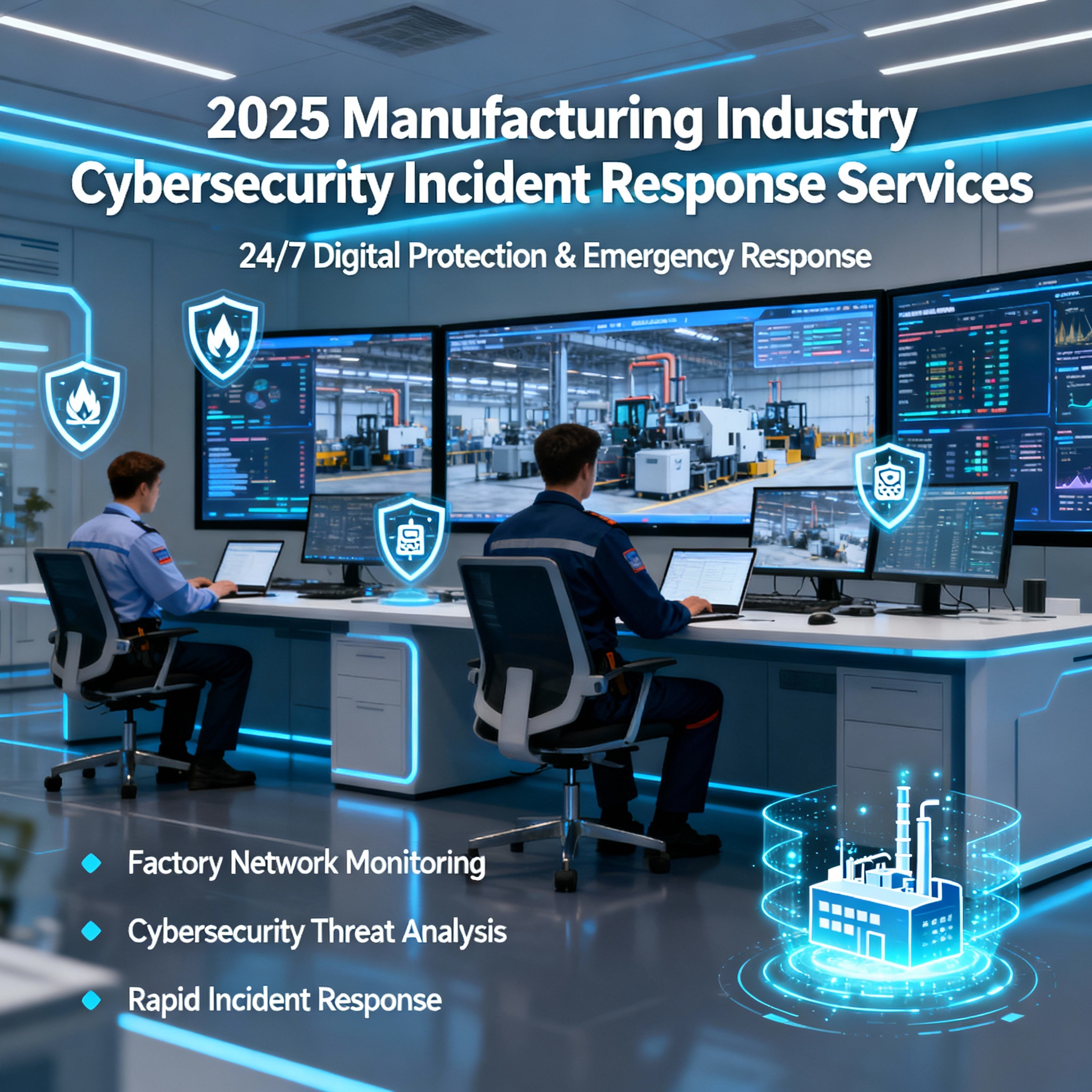
As manufacturing industries evolve amid rapid technological advancements in 2025, the exposure to cyber and operational incidents has intensified. Industrial control systems, supply chains, and intellectual property are frequent targets for increasingly sophisticated attacks, as well as accidental operational failures. This heightened risk landscape necessitates robust incident response services tailored specifically for manufacturing environments at Informatix.Systems, we provide cutting-edge AI, Cloud, and DevOps solutions for enterprise digital transformation. Our incident response services for manufacturing are designed to detect, analyze, contain, and recover from cyberattacks and operational disruptions swiftly, minimizing downtime and protecting production continuity. In an era where manufacturing is the backbone of global economies, securing operational technology and data assets is a top business priority. Manufacturers face unique challenges, including legacy system vulnerabilities, complex supply chains, and regulatory compliance demands. Effective incident response involves not only technical remediation but also strategic foresight, continuous monitoring, and integration with broader security and business processes. This article presents a comprehensive guide on incident response services in manufacturing for 2025, covering key components, technologies, trends, challenges, and best practices for maintaining resilience.
Understanding Incident Response in Manufacturing
The Definition and Scope of Incident Response
Incident response is a structured approach to identifying, managing, and mitigating cybersecurity incidents or operational disruptions to minimize their impact. In manufacturing, incidents range from cyber intrusions, ransomware attacks, sabotage, to system failures and safety breaches.
Why Manufacturing Has Unique Incident Response Needs
- Reliance on Operational Technology (OT) and Industrial Control Systems (ICS)
- Integration of IT and OT environments
- Impact of downtime on production and revenue
- Regulatory and compliance requirements (e.g., NIST, ISO 27001, IEC 62443)
Emerging Threats in Manufacturing 2025
Cyber Threat Landscape for Manufacturing
- Ransomware targeting production lines
- Supply chain attacks affecting component suppliers
- Insider threats and employee negligence
- IoT and connected devices vulnerabilities
- Social engineering and phishing campaigns
Operational Risks and Incident Triggers
- Equipment malfunctions and predictive maintenance failures
- Human error and safety incidents
- Natural disasters affecting physical infrastructure
Essential Components of Manufacturing Incident Response Services
Preparation and Planning
- Incident response policy tailored for manufacturing
- Identification of critical assets
- Roles and responsibilities assignment
- Incident response playbook development
Detection and Analysis
- Continuous monitoring of IT and OT networks using AI and machine learning
- Threat hunting and anomaly detection
- Log analysis from diverse manufacturing devices
- Real-time alerting and incident classification
Containment, Eradication, and Recovery
- Isolation of infected systems without disrupting production
- Root cause investigation and remediation
- Restoration of safe and reliable operations
- Post-incident forensic analysis and reporting
Role of AI and Cloud in Incident Response
AI-Powered Threat Detection and Response
- Automated detection of known and unknown threats
- Behavioral analytics to identify anomalous activities
- AI-driven decision-making to accelerate containment
Cloud-Enhanced Incident Response
- Scalable infrastructure for high-volume data analysis
- Cloud-based collaboration platforms for response teams
- Integration with SaaS security tools and managed detection services
DevOps and Incident Response Integration
DevOps Principles to Support Incident Response
- Continuous integration and continuous deployment (CI/CD) with security checks
- Automated vulnerability scans in development pipelines
- Rapid incident remediation using Infrastructure as Code (IaC)
Incident Response Workflow Automation
- Automated alert triage and incident ticketing
- Coordinated communication via DevOps platforms
- Post-incident continuous improvement loops
Regulatory Compliance and Incident Reporting
Manufacturing Industry Standards Impacting Incident Response
- IEC 62443 for industrial automation and control
- NIST Cybersecurity Framework
- GDPR and data protection laws
Incident Reporting Requirements
- Timely breach notification protocols
- Documentation and audit trails
- Collaboration with regulators and stakeholders
Challenges in Manufacturing Incident Response
Legacy Systems and Integration Complexities
- Difficulty in patching and securing outdated equipment
- Limited visibility into proprietary protocols
Skilled Resource Shortages
- Lack of specialized cybersecurity talent for OT environments
Managing Third-Party Risks
- Complex supply chains increase exposure
- Vendor incident preparedness and coordination
Best Practices for Effective Incident Response in Manufacturing
Proactive Security Posture
- Regular risk assessments and penetration testing
- Employee training and awareness programs
Building Incident Response Teams
- Cross-functional collaboration between IT, OT, safety, and management
- Continuous skills development and simulation drills
Leveraging Advanced Technologies
- Endpoint detection and response (EDR) suited for industrial devices
- Security Information and Event Management (SIEM) systems adapted for manufacturing
Success Stories in Manufacturing Incident Response
Manufacturer A: Rapid Containment of Ransomware Attack
- Use of AI-enabled detection to isolate infected systems within minutes
- Minimal production downtime and no data loss
Manufacturer B: Supply Chain Incident Mitigation
- Real-time monitoring of vendor components and automated alerts
- Coordinated response to a compromised supplier's system
Future Trends in Incident Response for Manufacturing
Increase in AI-Driven Autonomous Response
- Reduced human intervention for common incidents
- Dynamic playbooks adapting to evolving threats
Expansion of Managed Incident Response Services
- Outsourcing to specialists for 24/7 support
- Hybrid models combining in-house and external expertise
Greater Focus on Physical and Cybersecurity Convergence
- Integrated incident management for combined threats
- Use of IoT sensors and automation for safety incident detection
How Informatix.Systems Support Your Manufacturing Incident Response
At Informatix.Systems, we provide cutting-edge AI, Cloud, and DevOps solutions for enterprise digital transformation. Our incident response services are customized for manufacturing to safeguard your operational technology, intellectual property, and production continuity. We deliver:
- Tailored incident response planning and readiness assessments
- 24/7 AI-enhanced monitoring across IT and OT environments
- Rapid response and containment with expert-led forensic investigation
- Cloud-based collaboration tools for coordinated action
- Regulatory compliance support and detailed reporting
Partner with us to fortify your manufacturing operations against incidents and lead your digital transformation journey with resilience and confidence. Manufacturing in 2025 faces an unprecedented scale of cyber and operational risks that demand specialized incident response services. The integration of AI, cloud, and DevOps technologies dramatically enhances detection, containment, and recovery capabilities tailored for complex manufacturing environments. By adopting proactive best practices, aligning with regulatory frameworks, and leveraging expert partners like Informatix.Systems, manufacturers can safeguard their production lines, maintain business continuity, and achieve sustainable growth. Investing in comprehensive incident response is no longer optional; it is a critical business imperative. Contact Informatix.Systems today to start building a resilient manufacturing operation ready for the challenges of tomorrow.
FAQs
What is incident response in manufacturing?
Incident response is the process of detecting, managing, and mitigating security or operational incidents to minimize impact on manufacturing processes.
Why is incident response important for manufacturers in 2025?
With increased cyber threats and operational complexities, incident response prevents costly downtime and protects critical assets.
How does AI improve incident response in manufacturing?
AI enables faster detection of anomalies, automates routine responses, and supports decision-making with predictive analytics.
What role does cloud computing play in incident response?
Cloud platforms enable scalable data analysis, real-time monitoring, and efficient collaboration during incident response.
How do regulatory requirements affect manufacturing incident response?
Manufacturers must comply with industry standards and data breach notification laws, requiring thorough incident documentation and reporting.
What are the common challenges in manufacturing incident response?
Challenges include legacy system vulnerabilities, skill shortages, and third-party supply chain risks.
Can manufacturers handle incident response internally or need external help?
Many manufacturers benefit from a hybrid approach combining in-house teams with expert external services for 24/7 coverage.
How can Informatix.Systems help my manufacturing business?
Informatix.Systems offers AI-powered, cloud-enabled, and DevOps-integrated incident response services customized for manufacturing to ensure rapid and effective incident mitigation.
No posts found
Write a review