- 3/8, North Pirerbag
- 60 Feet Main Road
- Mirpur, Dhaka 1216
- +880-967-8247365
- support@informatix.systems

Inventory Optimization Solutions for Manufacturing in 2026 | Informatix.Systems
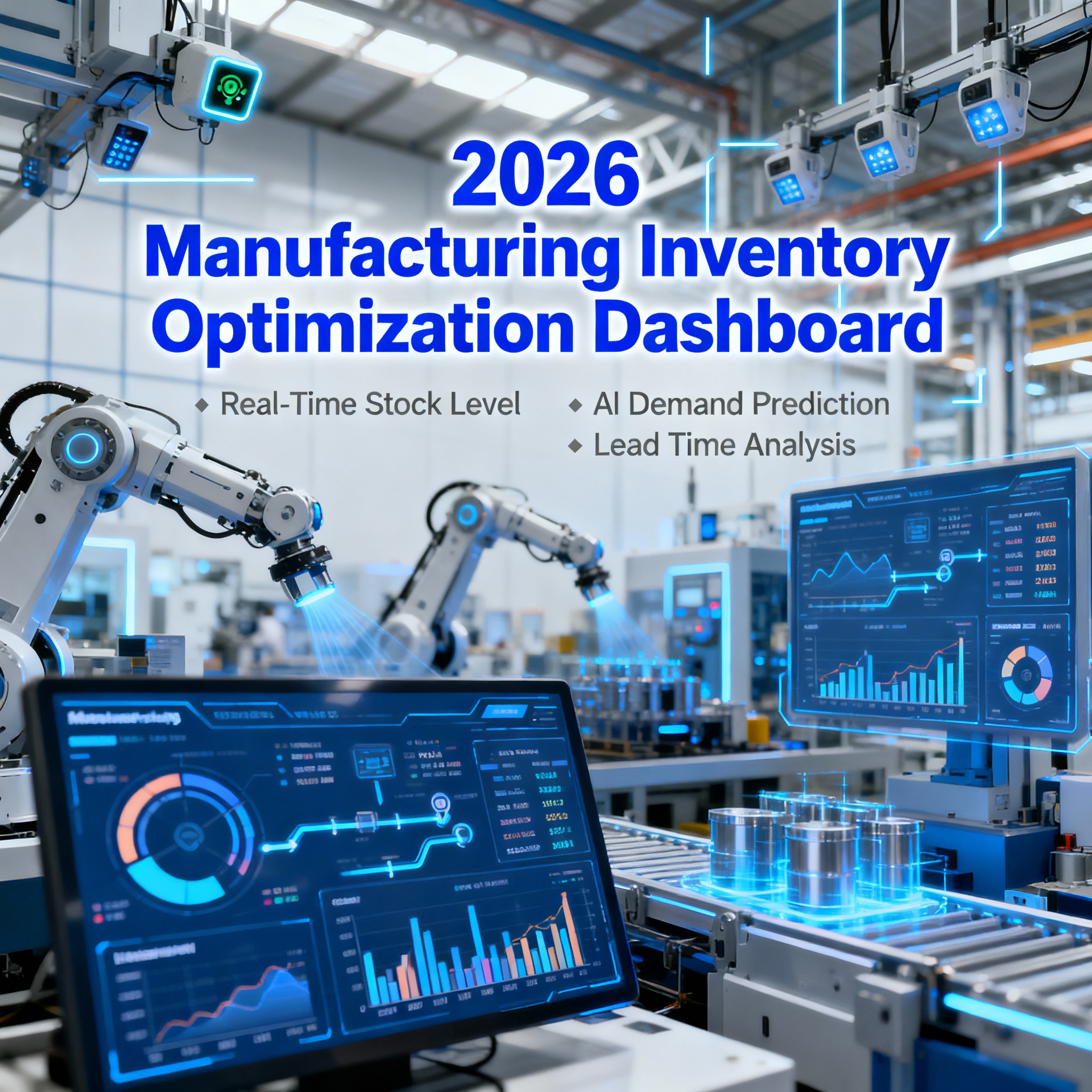
In 2026, manufacturing companies face unprecedented pressures to increase operational efficiency, reduce inventory costs, and adapt swiftly to fluctuating market demands. Effective inventory optimization has become a critical strategic lever that can differentiate leaders from laggards in a hyper-competitive global landscape. By harnessing advanced technologies like artificial intelligence (AI), machine learning (ML), and cloud computing, manufacturers can transform their inventory management from a costly necessity into a powerful asset that drives agility and growth. The traditional challenges of excess stock, stockouts, and costly warehousing are exacerbated by today’s fast-moving supply chains, multi-channel sales, and just-in-time production philosophies. Modern inventory optimization solutions address these complexities with predictive forecasting, real-time visibility, supplier collaboration, and automated replenishment. Such capabilities enable manufacturers to balance supply and demand accurately while minimizing working capital and waste. At Informatix.Systems, we provide cutting-edge AI, Cloud, and DevOps solutions for enterprise digital transformation. Our inventory optimization solutions for manufacturing integrate intelligent data analytics, cloud-scale platforms, and automation to empower enterprises to optimize stock levels, improve fulfillment rates, and strengthen supplier relationships. This article explores the state of inventory optimization in manufacturing for 2026, covering essential techniques, emerging trends, solution architectures, implementation best practices, and success stories.
The Strategic Importance of Inventory Optimization in Manufacturing
Why Inventory Optimization Matters
- Minimizes excess inventory and related carrying costs
- Reduces stockouts, preventing production delays and lost sales
- Enhances cash flow by freeing up trapped working capital
- Improves supplier collaboration and responsiveness
- Supports lean manufacturing and sustainability goals
The Business Impact of Optimization
Optimized inventory management decreases waste, enables faster customer response times, and increases overall supply chain resilience essential factors in maintaining competitive advantage.
Types of Inventory in Manufacturing and Optimization Goals
Raw Materials Inventory
- Balance sufficient raw materials to avoid production bottlenecks without excess capital lockup
Work-in-Progress (WIP) Inventory
- Manage WIP flow to reduce cycle times and improve throughput
Finished Goods Inventory
- Align finished goods stocking with demand forecasts to optimize customer fulfillment
Maintenance, Repair, and Operations (MRO) Inventory
- Efficiently maintain parts and supplies to prevent equipment downtime without overstocking
Key Techniques and Technologies for Inventory Optimization
Predictive Demand Forecasting
- Use machine learning models combining historical sales, market trends, and external data to anticipate inventory needs
Real-Time Inventory Visibility
- IoT sensors and RFID track stock levels, locations, and conditions in real time across warehouses and production lines
Automated Replenishment and Ordering
- AI-powered systems trigger procurement based on dynamic reorder points and supplier lead times
Supplier Collaboration Platforms
- Shared forecasts, alerts, and inventories improve upstream supply chain alignment
Scenario Modeling and What-If Analysis
- Simulation tools help manufacturers evaluate inventory policies under different market conditions
AI and Cloud Enabling Manufacturing Inventory Optimization
AI and Machine Learning
- Advanced analytics identify trends, detect anomalies, and optimize reorder parameters
- Reinforcement learning adapts strategies to evolving production schedules and demand variability
Cloud-Native Platforms
- Scalable data storage and processing for multi-site inventory monitoring and planning
- Unified dashboards enabling cross-functional decision-making in real time
Integration with ERP and SCM Systems
- Synchronize inventory data with procurement, production, and distribution processes for cohesive supply chain control
Benefits of AI-Driven Inventory Optimization Solutions
- 20–30% reduction in inventory carrying costs
- 25–40% improvement in on-time delivery and order fulfillment
- Decreased production stoppages from stockouts or delays
- Enhanced supplier collaboration and responsiveness
- Better sustainability outcomes via reduced waste and inventory obsolescence
Challenges in Manufacturing Inventory Optimization
Data Quality and Integration
- Disparate systems and inconsistent data hamper accurate forecasting and visibility
Complex Supply Chains
- Multi-tier supplier networks introduce greater variability and risk
Demand Variability and Seasonality
- Volatile customer demand across channels complicates inventory planning
Change Management
- Resistance among teams accustomed to legacy processes and siloed data
Best Practices for Implementing Inventory Optimization Solutions
- Centralize Data Across Systems and Locations
- Establish a unified data lake with clean, validated inventory and demand data
- Leverage AI and Scenario Modeling
- Use predictive analytics and simulations for proactive planning
- Enable Real-Time Monitoring
- Deploy IoT and RFID tracking for immediate inventory insights
- Foster Cross-Functional Collaboration
- Connect procurement, production, sales, and supplier management teams
- Automate Replenishment Based on Dynamic Thresholds
- Use machine learning to continuously adjust reorder points and quantities
- Prioritize Training and Change Management
- Build skills around data literacy and digital tools to drive adoption
- Start with Pilot Projects
- Demonstrate impact in focused areas before enterprise-wide rollout
Leading Inventory Optimization Solutions for Manufacturing in 2026
- Retalon AI Demand Forecasting: Integrated predictive analytics with replenishment automation
- Blue Yonder Luminate Platform: End-to-end supply chain and inventory visibility
- Infor Supply Chain Planning: AI-based inventory and production planning for complex manufacturing
- Katana MRP: Real-time inventory and production resource planning for SMBs
- Oracle SCM Cloud: Unified cloud solution supporting inventory, procurement, and fulfillment
- Informatix.Systems: Custom AI, cloud-native analytics, and automation solutions tailored for manufacturing
Manufacturing Inventory Optimization Success
Electronics Manufacturer
- Adopted AI-driven forecasting, reducing excess inventory by 28%
- Automated replenishment cut stockouts by 23%, improving production uptime
Consumer Goods Producer
- Integrated IoT-enabled real-time tracking across warehouses
- Reduced waste and optimized storage space, cutting costs by 18%
Emerging Trends in Inventory Optimization Beyond 2026
- Expanded use of Digital Twins for real-time inventory and production simulation
- Advances in Autonomous Warehousing with AI-guided robots and drones
- Increased integration of Sustainability Metrics in inventory KPIs
- Greater collaboration via Blockchain for Supply Transparency
How Informatix.Systems Drives Inventory Optimization Excellence
At Informatix.Systems, we provide cutting-edge AI, Cloud, and DevOps solutions for enterprise digital transformation. Our inventory optimization services include:
- Comprehensive data integration and cleansing pipelines
- AI-enhanced demand forecasting and dynamic replenishment engines
- Cloud-scaled dashboards and real-time inventory visibility
- Collaboration platforms linking suppliers, production, and procurement
- Training and continuous improvement support
We enable manufacturers to unlock operational agility, improve capital efficiency, and deliver customer satisfaction through sophisticated inventory management. Inventory optimization is at the heart of manufacturing competitiveness in 2026. Leveraging AI, cloud computing, and integrated analytics empowers manufacturers to balance inventory investment with demand responsiveness, achieving leaner, more profitable operations. Informatix.Systems offers the innovation, expertise, and tools to drive this transformation effectively. Contact Informatix.Systems to future-proof your manufacturing inventory strategy and maximize growth opportunities through data-driven optimization.
FAQs
What is inventory optimization in manufacturing?
It's the process of balancing inventory levels to meet demand without excess or shortage, minimizing costs,s and maximizing service.
How does AI improve inventory forecasting?
AI analyzes large data sets to detect patterns, predict demand shifts, and automate replenishment decisions.
What data is essential for manufacturing inventory optimization?
Sales history, production schedules, supplier lead times, market trends, and external factors like seasonality.
How do IoT and RFID contribute?
They provide real-time inventory tracking and condition monitoring, enhancing visibility and control.
What challenges arise with complex supply chains?
Variability in supplier performance, demand unpredictability, and data integration issues require robust analytics and collaboration.
Which inventory optimization tools are best?
Platforms like Retalon, Blue Yonder, Infor SCM, Katana MRP, Oracle SCM, and Informatix.Systems custom solutions lead the market.
How can manufacturers start digitizing inventory optimization?
Begin with pilot projects, centralize data, adopt AI forecasting, automate replenishment, and scale iteratively.
How does Informatix.Systems assist in inventory optimization?
We deliver tailored AI-powered platforms, data integration, collaboration tools, and expert guidance to maximize inventory efficiency.
No posts found
Write a review