- 3/8, North Pirerbag
- 60 Feet Main Road
- Mirpur, Dhaka 1216
- +880-967-8247365
- support@informatix.systems

Legacy System Modernization for Telecom in 2026 | Informatix.Systems
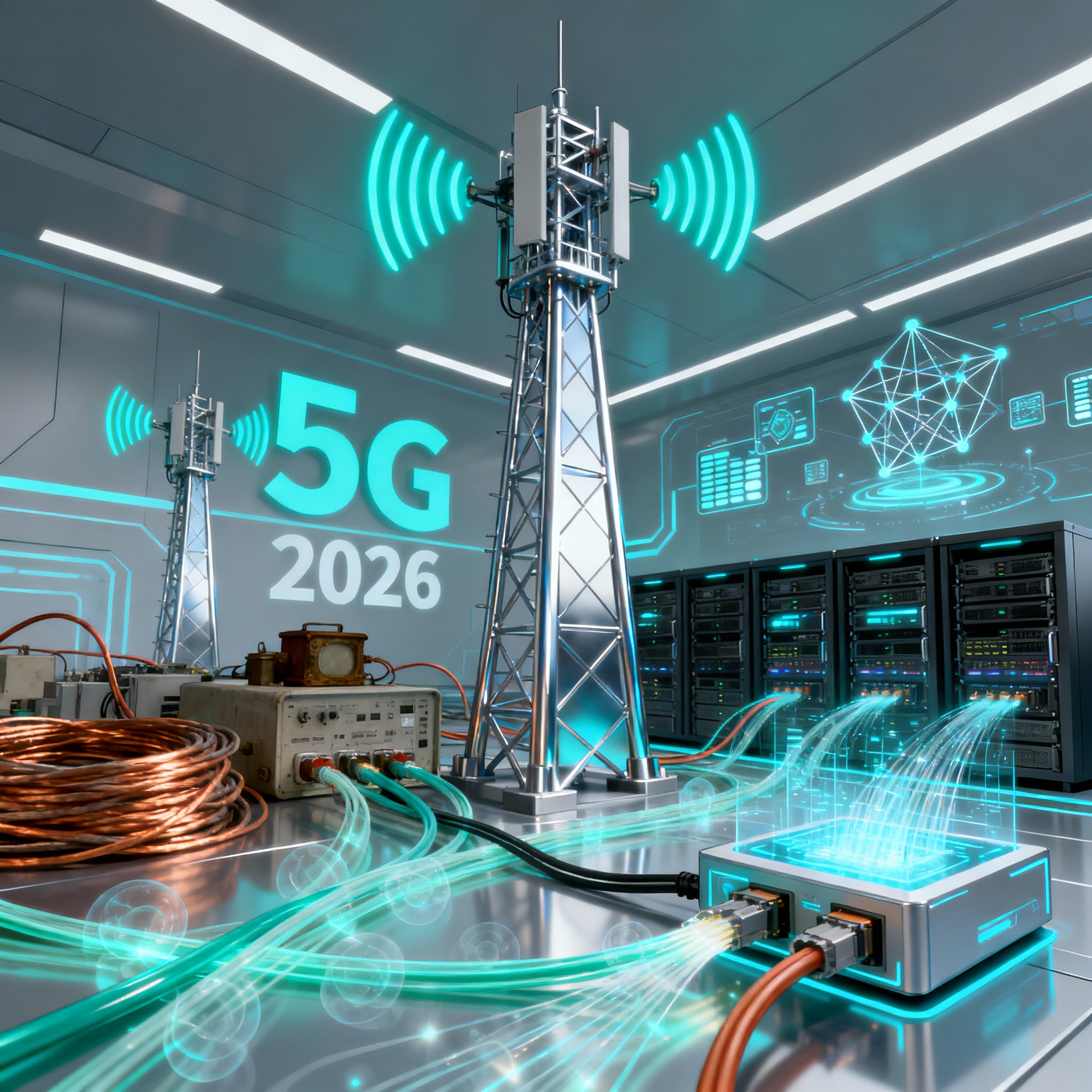
The telecom industry stands at a defining crossroad in 2026. 5G, AI, IoT, and edge computing are reshaping how consumers connect and experience the world, demanding fast, resilient, and highly personalized telecom services. Yet, legacy systems, those deeply entrenched, monolithic architectures that power core telecom operations,s now hold back innovation, escalate costs, and slow digital transformation. The majority of global telecoms still spend more than two-thirds of their IT budgets maintaining aging OSS/BSS, billing engines, and siloed customer platforms, leaving little room for the investments that will define the next era of connectivity, at Informatix.Systems, we provide cutting-edge AI, Cloud, and DevOps solutions for enterprise digital transformation. Our telecom modernization services empower operators to migrate and refactor aging systems into agile, modular, and cloud-native environments, enabling faster product launches, superior customer experiences, and massive operational savings. This article explores why and how legacy system modernization transforms telecom in 2026, detailing strategic priorities, popular architectures, implementation best practices, and the market-proven results achieved by leaders in the sector.
Why Legacy System Modernization is Business-Critical for Telecom
High Costs and Shrinking Innovation
Legacy platforms swallow 60–80% of operational budgets just to keep the lights on. These costs prevent innovation and limit the adoption of revenue-driving 5G, AI, and IoT services.
Slow Time to Market
Launching new products or customer features on monolithic, code-heavy architectures can take months, compared to days with cloud-native, modular approaches.
Security and Compliance Risks
Old tech stacks are more vulnerable to attack and harder to patch, making compliance with GDPR, CCPA, and telecom security standards a constant challenge.
Poor Customer Experience
Disconnected data and inflexible user interfaces lead to slower support, impersonal service, and increased subscriber churn.
Top Telecom Modernization Trends for 2026
Cloud-Native Functions and Microservices
Decoupling monolithic applications into microservices enables scalability, modular upgrades, and rapid deployment of new features.
AI, Automation, and Predictive Analytics
AI powers predictive maintenance (reducing downtime up to 40%), automates customer support, and unlocks smart network orchestration.
5G and Edge Computing
With more than two billion global 5G connections, OSS/BSS platforms require agility to support network slicing, real-time analytics, and dynamic workloads.
Open APIs and Interoperability
API-first modernization speeds up integration with partners, IoT, SaaS, and ecosystem players, unlocking new business models.
Digital Twins and Virtualization
Network digital twins and software-defined networking offer predictive insights, safer change rollouts, and major OPEX savings (20–25% annually for early adopters).
Advanced Data Migration
By 2026, over 75% of telcos are expected to migrate core OSS/BSS data to the cloud, streamlining operational agility and compliance.
Approaches to Legacy System Modernization
Rehosting (Lift and Shift)
Move existing applications to cloud platforms with minimal change, speeding transition and reducing on-premises costs.
Refactoring
Redesign legacy codebases into microservices, separating logic for improved flexibility and resilience.
Replatforming
Optimize core modules for cloud compatibility and performance, often replacing older middleware with containers.
Rebuilding
Create completely new solutions using modern languages and cloud-native frameworks, ideal for OSS, BSS, or customer platforms needing major UI/UX improvements.
Hybrid Modernization
Deploy service wrappers, APIs, and abstraction layers to wrap and extend legacy systems, enabling modular upgrades without risking immediate service disruption.
The Wrap and Extend Hybrid Model
Many telecoms opt for a hybrid approach, building new APIs and platforms to extend functionality around their legacy core, gradually migrating critical modules while ensuring continuous service delivery :
- Minimizes risk of business disruption
- Enables phased investment and workforce training
- Facilitates early wins via new feature rollouts
- Allows parallel operation as modernization is completed
OSS/BSS Modernization in Telecom
Modern OSS (Operational Support Systems):
- Cloud-native orchestration for network provisioning, performance, and fault management
- End-to-end automation for resource allocation and self-healing networks
Modern BSS (Business Support Systems):
- Customer-centric billing and charging for 5G and IoT
- Portal self-service, real-time product catalog updates, and integrated CRM
Benefits of Modular OSS/BSS:
- Open, API-based integration with third-party providers
- Enhanced time-to-market for new services
AI and Intelligent Automation in Telecom Modernization
- Predictive Maintenance: AI reduces outages and pre-empts network faults
- Automated Support: 24/7 chatbots and workflow engines streamline subscriber support
- Analytics: Monetize big data for cross-selling, churn prediction, and targeted marketing
- Orchestration: AI-driven orchestration for dynamic load balancing and network optimization
Security and Compliance-Focused Modernization
- Zero Trust Security: Continuous authentication, network segmentation, and real-time risk analytics
- Compliance Automation: Auditing, encryption, and privacy-by-design for GDPR/CCPA/PCI-DSS adherence
- Proactive Monitoring: Automated patching and real-time vulnerability detection
DevOps and CI/CD in Telecom Transformation
Modernization is accelerated by DevOps and continuous integration/deployment:
- Agile delivery pipelines for legacy and new stack coexistence
- Automated testing and deployment across cloud and edge
- Improved collaboration and faster release velocities
Overcoming Key Migration Challenges
Data Integrity and Migration
Migrating trillions of records securely, ensuring regulatory compliance and zero data loss, is essential.
Workforce Transformation
Upskilling staff and building digital mindsets are crucial for project continuity.
Vendor Lock-In
API-based, open-source strategies help avoid new dependencies and preserve flexibility.
Business Continuity
Phased migrations, robust rollback plans, and redundant cloud architectures all ensure zero downtime.
Telecom Modernization in Action
Global Operator: Phased Cloud-Native BSS Migration
- Achieved 35% cost savings in IT operations over three years
- Increased customer NPS by 20% post-migration
Telco B: Hybrid Wrap-and-Extend Model
- Maintained legacy billing systems while launching new 5G products
- Delivered new APIs, faster rollout, and ensured stable customer support
Future Outlook: What’s Next in Telecom Modernization?
- More Generative AI: Driving proactive fault correction and personalized subscriber experiences
- Quantum and Edge: Adoption for ultra-fast, low-latency service delivery
- Sustainable Modernization: Optimized energy usage through digital twins and cloud orchestration
- Network as a Service (NaaS): Flexible productization of core telecom assets to external developers
How Informatix.Systems Leads Telecom Modernization
At Informatix.Systems, we provide cutting-edge AI, Cloud, and DevOps solutions for enterprise digital transformation. Our telecom modernization expertise covers:
- Custom legacy migration roadmaps with minimal disruption
- OSS/BSS modernization and replatforming for 5G/IoT scale
- AI/ML insight integration for predictive analytics and automation
- DevOps pipelines and automation for agile telecom service launches
- Data migration and security, maintaining compliance throughout
By partnering with Informatix.Systems, operators seamlessly upgrade their technology foundation, maximize business agility, and deliver tomorrow’s telecom experiences today. Legacy system modernization is an industry imperative for telecoms competing in the fast-evolving 2026 digital landscape. Cloud, AI, automation, and modular architecture are driving unprecedented speed, cost savings, and innovation. Informatix.Systems combines deep industry know-how, transformation frameworks, and advanced technology to enable telecom operators to lead the digital revolution with secure, scalable, future-proof infrastructure. Ready to reimagine your network’s next chapter? Contact Informatix.Systems today and embark on your legacy modernization journey.
FAQs
Why modernize telecom legacy systems in 2026?
Legacy systems impede innovation, inflate costs, pose security risks, and restrict the adoption of 5G, AI, and new customer experiences.
Which modernization strategies work best for telecom?
Cloud-native migration, refactoring into microservices, and hybrid wrap and extend techniques enable phased, risk-managed transformation.
How important is data migration?
Migrating massive, complex telecom datasets is mission-critical for agility, analytics, and compliance success.
What is the risk of business disruption?
Phased approaches, hybrid models, and robust rollback plans reduce migration risk and maintain operational continuity.
How does AI power telecom modernization?
AI automates support, predicts failures, orchestrates networks, and enables new customer insight and revenue streams.
Can OSS/BSS be modernized incrementally?
Yes, modular APIs, service wrappers, and phased migration let telecoms retain core functions and gradually upgrade at their own pace.
Why choose Informatix.Systems?
We bring proven frameworks, telecom expertise, and next-gen technology for secure, seamless, and value-driven modernization.
What are future telecom modernization trends?
Expect more AI, digital twins, sustainable cloud, edge computing, industry-wide interoperability, and green digital transformation.
No posts found
Write a review