- 3/8, North Pirerbag
- 60 Feet Main Road
- Mirpur, Dhaka 1216
- +880-967-8247365
- support@informatix.systems

Emerging Cyber Threat Intelligence for Cloud Security Strategies 2025
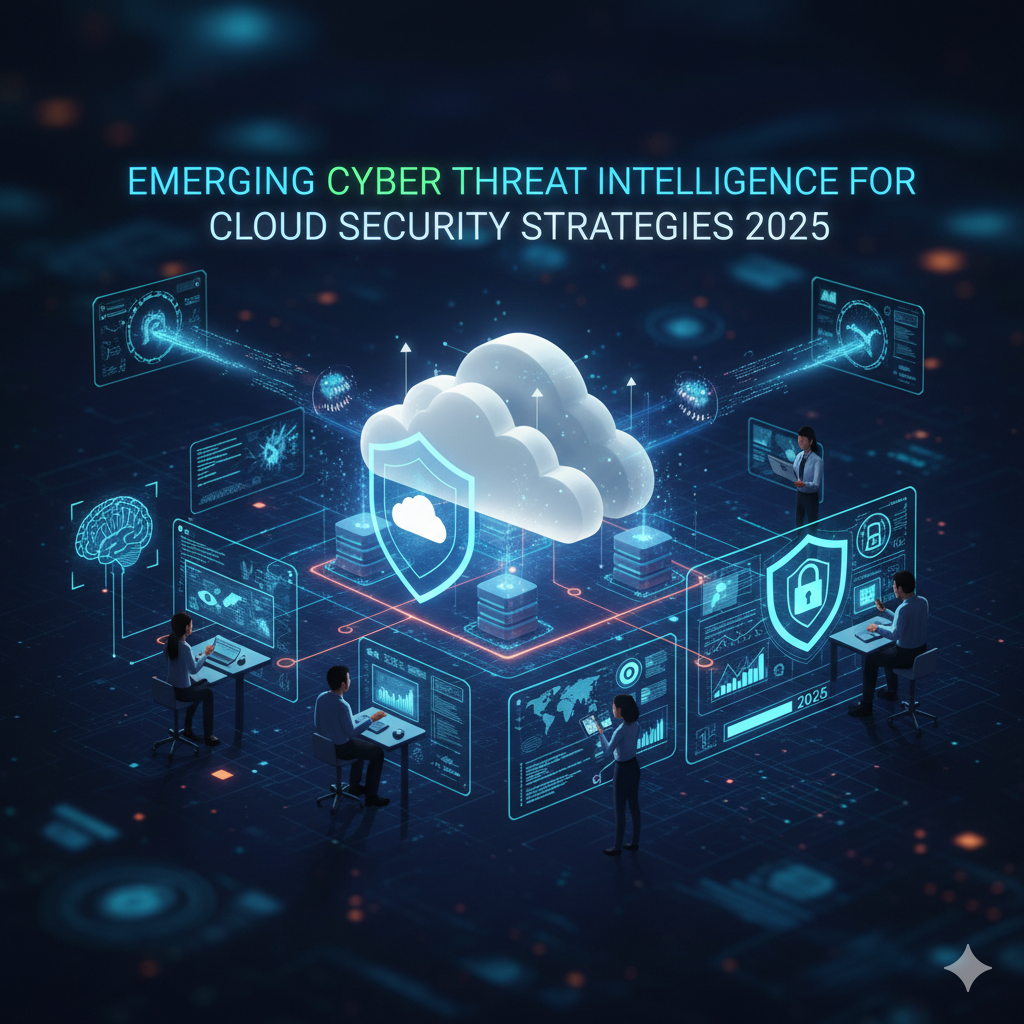
The global cloud ecosystem has transformed how businesses interact, store data, and innovate. Yet, as enterprises migrate operations to multi-cloud and hybrid infrastructures, the attack surface grows exponentially. In 2025, cloud environments are not just storage solutions; they are mission-critical ecosystems supporting automation, AI workloads, and digital economies. With this shift comes an alarming increase in sophisticated cyber threats. Cloud threats today are no longer isolated; they are orchestrated through networks of malicious bots, insider misuse, and AI-powered ransomware targeting global infrastructures. Traditional security measures fail to match this level of complexity and velocity. The solution lies in Cyber Threat Intelligence (CTI) for Cloud Security, an emerging discipline that infuses predictive intelligence, automation, and adaptive analytics to safeguard cloud platforms proactively. By integrating AI-enhanced CTI with cloud security, businesses gain not only data protection but also foresight, identifying vulnerabilities before exploitation occurs. This predictive defense is redefining the future of cybersecurity strategies in 2025. It’s no longer about reaction but prevention, powered by intelligent analytics, at Informatix.Systems, we provide cutting-edge AI, Cloud, and DevOps solutions for enterprise digital transformation. Our Cyber Threat Intelligence platforms for cloud environments fuse real-time data analytics, machine learning, and automation, enabling enterprises to move securely at the speed of digital innovation. This article explores emerging CTI strategies for cloud security in 2025, examining how predictive intelligence, hybrid defense infrastructures, and automation are crafting the next generation of enterprise cybersecurity.
Understanding Cyber Threat Intelligence (CTI) for Cloud Environments
What Is Cyber Threat Intelligence (CTI)?
Cyber Threat Intelligence is the process of collecting, analyzing, and applying actionable information about potential or existing threats targeting digital ecosystems. In cloud environments, CTI functions as an adaptive intelligence layer that continuously identifies and mitigates risks across dynamic infrastructures.
Core Objectives of CTI:
- Detecting known and emerging threat actors early.
- Analyzing global attack patterns and vulnerabilities specific to cloud systems.
- Automating threat modeling and response strategies.
- Enhancing decision-making through predictive analytics.
CTI for cloud ecosystems converts static security postures into dynamic, data-driven defense mechanisms capable of countering sophisticated attacks in real time.
The Business Imperative for CTI in Cloud Security
- Cloud Complexity: Multi-cloud and hybrid environments increase the risk of misconfigurations and vulnerabilities.
- AI-Driven Attacks: Cyber adversaries now utilize machine learning and autonomous bots for large-scale infiltration.
- Compliance Challenges: Regulations such as ISO 42001, GDPR 3.0, and CCPA demand continuous monitoring and breach prevention.
- Remote Work Vulnerabilities: The rise of distributed teams introduces identity-based risks across corporate clouds.
- Data Proliferation: Unsecured APIs and unmonitored workloads create blind spots in enterprise visibility.
For 2025 and beyond, CTI-powered cloud security ensures organizations remain compliant, resilient, and proactive against global digital warfare.
Core Technologies Powering Cloud-Based CTI
Artificial Intelligence and Machine Learning (AI/ML)
Forecasts potential intrusions using behavioral models and anomaly detection algorithms.
Big Data Analytics
Processes terabytes of cloud logs and telemetry in real time to uncover hidden threat trends.
Automation and Orchestration (SOAR)
Reduces manual workload by automating incident detection, classification, and containment.
Cloud-Native Security Frameworks
Deployed natively within public, private, and hybrid platforms for seamless defensive coverage.
Federated Threat Intelligence Networks
Enable secure, cross-industry data sharing without compromising privacy. At Informatix.Systems, our CTI systems harness AI-powered cloud analytics and federated learning, delivering real-time intelligence tailored for complex multi-cloud environments.
Emerging Trends in Cyber Threat Intelligence for Cloud Security
Predictive Threat Analysis
Combines AI algorithms with global threat data to anticipate emerging attack vectors before they materialize.
Multi-Cloud Integration and Visibility
CTI platforms unify monitoring across AWS, Azure, and private clouds, ensuring centralized visibility and resilience.
Zero-Trust Cloud Implementation
Continuous validation of identities and workloads enforces never trust, always verify principles.
AI-Driven SOC Operations
Autonomous SOCs reduce detection time and improve incident triage using predictive CTI models.
Quantum-Ready Encryption
By 2025, interest in quantum-resistant encryption has grown as organizations prepare for post-quantum threats. These emerging trends showcase how CTI is evolving into a core intelligence layer for all cloud governance and security operations.
Architecture of a Predictive CTI-Cloud Integration Framework
Data Layer
Collects network telemetry, authentication logs, and behavioral analytics from all connected clouds.
AI-Cognition Layer
Deploys machine learning algorithms to detect unknown anomalies across distributed workloads.
Threat Correlation Engine
Aggregates and contextualizes threat data using advanced clustering and neural analysis.
Automation-Oriented Response
SOAR systems trigger alerts, remediation workflows, and containment measures autonomously.
Visualization Layer
Cloud dashboards offer intuitive visibility into threat patterns and compliance reporting. At Informatix.Systems, we develop AI-cloud integrated architectures to ensure cohesive automation, visibility, and data-driven decision-making.
The Role of AI and Automation in Cloud Threat Prevention
Artificial Intelligence powers predictive analysis, while automation drives continuous protection.
Key AI Techniques Applied to CTI
- Cognitive Pattern Recognition: Identifies malicious activities and command sequences within network flow.
- Predictive Modeling: Learns the evolution of adversarial tactics using neural networks.
- Natural Language Processing (NLP): Deciphers hacker communications across dark web forums.
- Reinforcement Learning: Refines mitigation playbooks through feedback automation.
Benefits of Automation
- Reduces SOC workload by up to 60%.
- Ensures 24/7 response without human delay.
- Standardizes compliance and reporting through repeatable workflows.
AI and automation converge to form self-learning, self-healing cybersecurity ecosystems for complex cloud networks.
Cloud-Native CTI Strategies for 2025
Security-by-Design in Cloud Adoption
Integrating security intelligence into the core of all DevOps deployments.
Autonomous Policy Enforcement
AI-based systems dynamically deploy and adjust security policies across multi-cloud environments.
Threat Forecasting Dashboards
Real-time visualization tools prioritize predicted risks and highlight potential vulnerabilities.
Continuous Attack Surface Management
Monitors and minimizes exposure points as new assets join enterprise networks. At Informatix.Systems, our cloud-native CTI strategies align directly with enterprise DevSecOps operations, bridging innovation and security seamlessly.
Federated Intelligence Collaboration for Cloud Security
In 2025, collaboration drives cyber resilience. Federated CTI networks enable cross-enterprise, multi-sector intelligence sharing without compromising data sovereignty.
Advantages of Federated CTI:
- Privacy-Preserved Learning: Data remains within local environments while contributing to global defense.
- Accelerated Threat Identification: Real-time sharing of IoCs accelerates collective response.
- Elastic Resource Utilization: Scalable AI training across networks enhances efficiency.
Federated CTI fosters a collaborative defensive ecosystem that benefits organizations, governments, and critical infrastructure providers alike.
Compliance Intelligence in the Cloud
CTI frameworks act as compliance accelerators by automating global policy adherence.
Major Compliance Standards Integrated with CTI Systems
- ISO 42001 / ISO 27701: AI-driven privacy and ethical data governance.
- GDPR 3.0: Continuous assurance across borders.
- SOC 2 / NIST 800-207: Zero-trust and cloud compliance validation.
AI-based CTI systems continuously monitor compliance postures and generate auto-remediation workflows to ensure regulatory maintenance at scale.
Challenges in Cloud Threat Intelligence Adoption
- Data Volume Scalability: Managing massive telemetry inflow from multiple cloud providers.
- AI Explainability: Need for transparency behind AI-powered decisions.
- Talent Shortage: Lack of skilled professionals bridging cloud and AI security fields.
- Integration Complexity: Difficulty synchronizing legacy systems with cloud analytics.
- Privacy Barriers: Restrictions on global federated learning initiatives.
At Informatix.Systems, we address these with Explainable AI frameworks, federated collaboration tools, and integrated DevSecOps governance strategies.
The Future of Cloud Threat Intelligence Beyond 2025
- Quantum-Resilient Cloud Encryption Networks: Standing strong against quantum decryption threats.
- AI-Augmented Cyber Defense Agents: Self-learning bots protecting cloud applications autonomously.
- Cognitive Cloud Governance: AI systems continuously audit compliance and optimize resource allocation.
- Global Federated Cyber Mesh: Interconnected cloud ecosystems collaborating for predictive global defense.
- Digital Immune Systems: AI ecosystems capable of automatic healing without downtime.
The next generation of cloud cybersecurity will merge intelligence, adaptability, and resilience as the defining traits of safe digital transformation.
Informatix.Systems: Pioneering Cloud Threat Intelligence
At Informatix.Systems, we provide cutting-edge AI, Cloud, and DevOps solutions for enterprise digital transformation. Our Cyber Threat Intelligence for Cloud Security Platforms combines automation, AI correlation engines, and predictive analytics to empower enterprises with autonomous defense.
Our Expertise Includes:
- AI-Powered Multi-Cloud Threat Intelligence
- DevSecOps Automation Integration
- Federated Intelligence Collaboration Systems
- Quantum-Safe Security Infrastructure
- Real-Time Predictive Orchestration Platforms
We safeguard enterprises and governments by transforming data-driven visibility into proactive cyber resilience and compliance confidence. The future of cloud security lies in intelligence, predictive, adaptive, and collaborative. As threats multiply with speed, scale, and sophistication, integrating cyber threat intelligence into core cloud operations is no longer optional; it is foundational to enterprise success. By 2025, AI-powered CTI will enable autonomous defense infrastructures capable of learning, adapting, and predicting with precision. Enterprises prepared for this shift will operate with confidence, compliance, and resilience across the digital frontier. At Informatix.Systems, we lead this evolution with AI, Cloud, and DevOps-driven CTI ecosystems built to secure tomorrow’s enterprises today. Predict faster. Secure continuously. Evolve intelligently, with Informatix.Systems.
FAQs
What is Cyber Threat Intelligence (CTI) for cloud security?
It is the process of using AI and data analytics to identify, analyze, and predict cyber threats within multi-cloud and hybrid environments.
Why is CTI important for cloud systems?
It enables predictive detection, faster response, and continuous compliance across distributed cloud infrastructures.
How does AI enhance CTI performance?
AI algorithms process massive data volumes, identify patterns, and automate responses in real time.
Can CTI systems integrate with existing security tools?
Yes. Cloud-native CTI platforms are compatible with SIEM and SOAR frameworks for seamless operation.
What industries benefit most from CTI for cloud security?
Finance, healthcare, government, and manufacturing sectors are managing critical cloud data operations.
How does Informatix.Systems support CTI development?
Through AI, Cloud, and DevOps solutions that provide scalable, predictive, and agile intelligence systems.
What are the common challenges in CTI adoption?
Data compliance, AI transparency, and integration across hybrid environments.
What does the future of CTI hold beyond 2025?
Fully autonomous, federated, and quantum-secure CTI ecosystems ensuring global digital resilience.
No posts found
Write a review