- 3/8, North Pirerbag
- 60 Feet Main Road
- Mirpur, Dhaka 1216
- +880-967-8247365
- support@informatix.systems

How Cyber Threat Intelligence Stops Advanced Persistent Threats
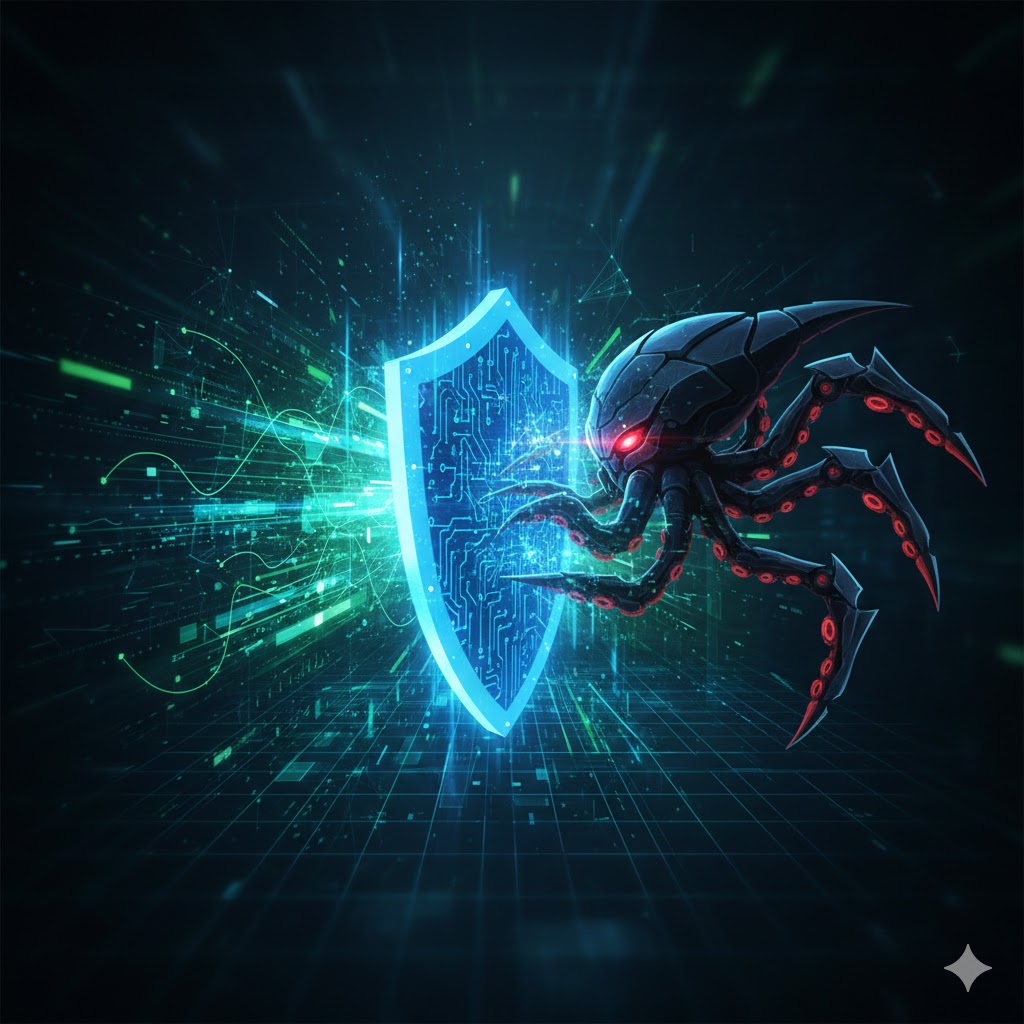
In today's hyper-connected digital landscape, enterprises face relentless cyber threats that evolve faster than ever. Advanced Persistent Threats (APTs) represent the pinnacle of sophisticated, stealthy, targeted campaigns orchestrated by nation-states, cybercriminals, or hacktivists aiming to infiltrate networks for espionage, data theft, or disruption. Unlike opportunistic attacks, APTs linger undetected for months or years, exfiltrating sensitive intellectual property or critical infrastructure data. Cyber Threat Intelligence (CTI) emerges as the definitive countermeasure, transforming raw threat data into actionable insights. CTI encompasses strategic, operational, and tactical intelligence gathered from diverse sources like dark web forums, malware repositories, and global feeds. By analyzing adversaries' tactics, techniques, and procedures (TTPs), organizations shift from reactive defense to proactive hunting. This intelligence empowers security teams to anticipate attacks, patch vulnerabilities preemptively, and orchestrate rapid responses. The business stakes are immense. A single APT breach can cost millions in downtime, regulatory fines, and reputational damage, averaging $4.88 million globally per incident. For enterprises in finance, healthcare, or manufacturing, the fallout includes lost IP, operational paralysis, and eroded stakeholder trust. At Informatix.Systems, we provide cutting-edge AI, Cloud, and DevOps solutions for enterprise digital transformation, integrating CTI into robust defenses that safeguard your assets. As threats accelerate into 2026 with AI-driven attacks and quantum risks, mastering CTI isn't optional; it's survival. This article dissects how CTI dismantles APTs across their lifecycle, backed by frameworks, case studies, and best practices. Enterprises adopting CTI report 58% faster incident response and up to 50% threat reduction.
What is Cyber Threat Intelligence?
Cyber Threat Intelligence (CTI) systematically collects, analyzes, and disseminates knowledge about cyber adversaries, their motivations, and methods. It categorizes into three types: strategic (high-level trends for executives), operational (campaign details for planners), and tactical (IoCs like IPs and hashes for defenders). CTI sources span internal logs, external feeds (e.g., ISACs), open-source intelligence (OSINT), and commercial platforms. Unlike alerts, CTI provides context, linking a suspicious domain to an APT group like Lazarus. Enterprises leverage CTI to prioritize risks aligned with business assets.
Key CTI Components:
- Indicators of Compromise (IoCs): Malware signatures, malicious URLs.
- Indicators of Attack (IoAs): Behavioral patterns signaling intent.
- Threat Actor Profiles: Attribution to groups like APT28 or APT41.
Understanding Advanced Persistent Threats
Advanced Persistent Threats (APTs) are prolonged, targeted intrusions by skilled actors bypassing standard defenses. Well-funded, often state-sponsored, they pursue goals like cyber espionage, financial gain, or sabotage. APTs evade detection through custom malware, living-off-the-land techniques, and anti-forensic measures. APTs differ from commodity threats by their persistence and customization. They dwell in networks for 200+ days on average, exfiltrating data stealthily. High-value targets include governments, defense contractors, and tech firms holding IP.
APT Characteristics:
- Sophisticated Tools: Zero-day exploits, rootkits.
- Resource Backing: Nation-states provide unlimited funding.
- Goal-Oriented: Steal blueprints, not just encrypt files.
APT Attack Lifecycle Stages
APTs follow a structured lifecycle, enabling targeted disruption. Understanding these phases allows CTI to interdict early.
Reconnaissance Phase
Attackers passively gather intel via OSINT, social media, and network scans. They map employee roles, software versions, and supply chains. CTI counters by monitoring actor research patterns.
Initial Access
Spear-phishing, watering-hole attacks, or supply-chain compromises provide footholds. Custom droppers exploit unpatched flaws like Log4Shell.
Persistence and Escalation
Backdoors ensure re-entry; privilege escalation grants admin rights via token theft or kernel exploits. Lateral movement follows via RDP or SMB.
Command & Control (C2)
Beacons phone home via DNS tunneling or cloud services like GitHub. Data exfiltration uses steganography. Final sabotage may deploy wipers.
Role of CTI in APT Prevention
CTI stops APTs by mapping TTPs to defenses, enabling proactive hunting. It identifies IoCs from similar campaigns, flags anomalies, and predicts pivots. Organizations with mature CTI detect APTs 50% faster.
Prevention Mechanisms:
- Early Warning: Track emerging TTPs in threat feeds.
- Asset Prioritization: Focus on high-value targets.
- Behavioral Baselines: Detect deviations from norms.
At Informatix.Systems, we provide cutting-edge AI, Cloud, and DevOps solutions for enterprise digital transformation, embedding CTI into your SOC for real-time APT blocking.
Key CTI Frameworks Explained
Frameworks standardize CTI analysis against APTs.
MITRE ATT&CK Framework
This global knowledge base details 14 tactics (e.g., Initial Access, Exfiltration) and 200+ techniques. Map observed behaviors to actors like APT29, revealing gaps. ATT&CK Navigator visualizes coverage.
Diamond Model of Intrusion Analysis
Relates adversary, infrastructure, victim, and capability in a diamond graph. Excels in attribution by hypothesizing relationships. Complements ATT&CK for holistic views.
Cyber Kill Chain
Lockheed Martin's 7-stage model (Recon to Actions) breaks attacks linearly. CTI disrupts chains at weak links like Delivery.
Real-World APT Case Studies
Case studies illustrate CTI's impact.
Stuxnet (2010)
Targeted Iran's nukes via USB droppers and zero-days. CTI post-breach profiled air-gapped exploits, informing ICS defenses.
APT1 (Comment Crew)
Chinese PLA-linked group hit 100+ firms. Mandiant's CTI report exposed a 6-year campaign via C2 domains. Led to sanctions.
SolarWinds (2020)
Russian SVR compromised updates, hitting 18K orgs. CTI FireEye report accelerated global remediation.
Lessons: Rapid CTI sharing via alliances like FS-ISAC mitigates spread.
Benefits of CTI for Enterprises
CTI delivers measurable ROI against APTs.
- Reduced Breach Costs: 58% faster response per Ponemon.
- Proactive Hunting: Detect pre-breach dwell time.
- Risk Prioritization: Align threats to business impact.
- Compliance Edge: Supports NIST, GDPR audits.
Enterprises see 30% fewer incidents post-CTI adoption. Business continuity is strengthened via scenario planning.
Integrating CTI with SIEM and SOAR
SIEM collects logs; SOAR automates playbooks. CTI enriches both, turning alerts into actions.
Integration Benefits:
- Alert Triage: CTI scores severity via actor context.
- Automated Response: Block IoCs instantly.
- Workflow Orchestration: Correlate across tools.
Platforms like Splunk or Elastic ingest CTI feeds for real-time APT hunting.
Best Practices for CTI Implementation
Build CTI programs iteratively.
10-Step Roadmap:
- Define PIRs with stakeholders.
- Select feeds (e.g., AlienVault OTX).
- Adopt frameworks like ATT&CK.
- Train analysts on TTP mapping.
- Integrate with EDR/SIEM.
- Measure via KPIs (e.g., TTTD).
- Foster ISAC sharing.
- Automate enrichment.
- Simulate APTs via red teaming.
- Review quarterly.
Start small; scale with maturity models.
Future of CTI Against APTs in 2026
2026 trends emphasize AI augmentation and data fusion.
- AI/ML Prediction: Forecast APT pivots 36% of orgs plan internal-external fusion.
- Unified Platforms: Integrate with IAM, GRC.
- Quantum-Resistant CTI: Prep for post-quantum threats.
- Automated Hunting: ML baselines reduce fatigue.
Expect 25% CTI budget growth amid AI attacks.
Implementing CTI in Enterprise Environments
Cloud and Hybrid Deployments
CTI monitors S3 buckets and Azure AD via CloudTrail. Tools like Wiz fuse intel.
DevOps Pipeline Security
Embed CTI in CI/CD for SCA, SBOMs. Block supply-chain APTs.
Challenges and Solutions:
Measuring CTI Program Success
- Time to Detect (TTTD): Target <24 hours.
- False Positive Reduction: >50%.
- Threat Coverage: 90% ATT&CK techniques.
- ROI Metrics: Breaches averted vs. cost.
Dashboards visualize maturity. Quarterly audits ensure alignment. Cyber Threat Intelligence fundamentally disrupts Advanced Persistent Threats by illuminating the adversary's playbook, from reconnaissance to exfiltration. Frameworks like MITRE ATT&CK, integrated tools, and best practices empower enterprises to hunt proactively, respond swiftly, and build resilience. Real-world victories, from Stuxnet takedowns to SolarWinds mitigations, prove CTI's edge. As 2026 ushers in AI-fueled APTs, organizations are ignoring CTI risk obsolescence. Secure your enterprise today. Contact Informatix.Systems for a free CTI assessment. At Informatix.Systems, we provide cutting-edge AI, Cloud, and DevOps solutions for enterprise digital transformation. Schedule now: https://informatix.systems
FAQs
What exactly is Cyber Threat Intelligence?
CTI collects and analyzes threat data into actionable insights across strategic, operational, and tactical levels to preempt attacks.
How do APTs differ from regular cyberattacks?
APTs are targeted, persistent, and resourced by states, dwelling months vs. ransomware's hours.
Can small enterprises afford CTI?
Yes—open-source like MISP and free feeds yield 70% value of premium tiers. Start with the basics.
What is the MITRE ATT&CK Framework?
A TTP matrix mapping 14 tactics for threat modeling and gap analysis.
How long do APTs typically persist undetected?
Average 200+ days; CTI cuts this by proactive hunting.
Does CTI integrate with existing SIEM?
Absolutely, enriches logs for automated SOAR responses.
What are the 2026 CTI trends?
AI prediction, data fusion, and Zero Trust integration.
How to start a CTI program?
Define PIRs, pick frameworks, integrate tools, and measure KPIs.
No posts found
Write a review