- 3/8, North Pirerbag
- 60 Feet Main Road
- Mirpur, Dhaka 1216
- +880-967-8247365
- support@informatix.systems

How AI Will Drive Autonomous Transportation Systems
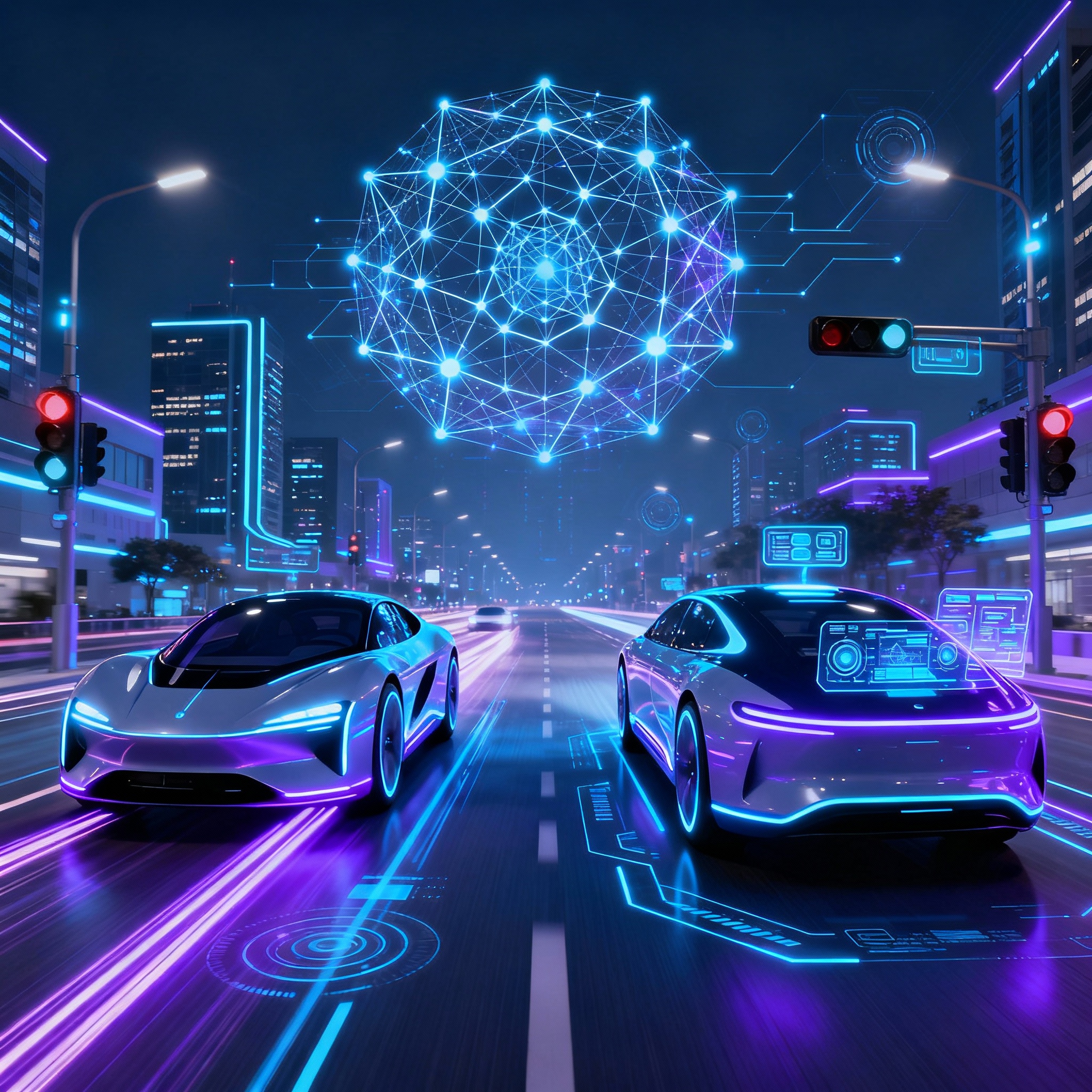
Transportation lies at the heart of civilization—moving people, goods, and ideas faster than ever before. Yet, as the global population expands and urban networks become denser, traditional transportation systems are facing mounting pressure. Congestion, safety risks, environmental degradation, and inefficiency are driving the urgent need for intelligent automation. Enter Artificial Intelligence (AI)—the transformative engine behind the next revolution in mobility. AI is redefining how transportation networks operate, from self-driving cars and drone delivery to advanced traffic management and smart logistics. Through deep learning, computer vision, and real-time analytics, AI allows vehicles to sense, decide, and act autonomously, ushering in an era of efficiency, safety, and sustainability. According to industry estimates, the global autonomous vehicle market will exceed $1.3 trillion by 2035, driven by AI-powered technologies that enable 360-degree perception, predictive navigation, and connected infrastructure. Beyond cars, AI integration extends to trucks, ships, trains, and even air taxis—creating a unified network of autonomous transportation ecosystems. At Informatix.Systems, we provide cutting-edge AI, Cloud, and DevOps solutions for enterprise digital transformation. Our innovations empower governments, mobility enterprises, and logistics networks to adopt AI-driven systems that revolutionize urban infrastructure and redefine the meaning of mobility. This comprehensive article explores how AI is transforming the world of autonomous transportation systems, examining its architecture, benefits, challenges, and future trends shaping a smarter, safer, and greener world by 2041.
The Foundation of Autonomous Transportation
What Is Autonomous Transportation?
Autonomous transportation refers to mobility systems that operate with minimal or no human input, leveraging AI, machine learning (ML), sensors, and network connectivity to make real-time decisions on navigation, safety, and performance.
Core Technology Framework
- AI and Machine Learning: Enable vehicles to learn road patterns.
- Computer Vision: Interprets visual input from cameras and sensors.
- Sensor Fusion: Combines data from multiple devices like radar, LiDAR, sonar, and GPS.
- Edge Computing: Processes data near the vehicle for faster decisions.
- Cloud Integration: Manages large-scale communication and data analytics.
At Informatix.Systems, our AI infrastructure integrates these components into unified ecosystems, delivering actionable intelligence and predictive decision-making capabilities for transportation enterprises worldwide.
The Role of AI in Autonomous Vehicles
From Reactive to Predictive Mobility
AI transforms vehicles into thinking entities capable of learning and anticipating risks. Using deep neural networks, vehicles process millions of data points every second to:
- Identify objects (pedestrians, vehicles, signals).
- Anticipate traffic flow.
- Make route optimization decisions.
- Ensure adaptive braking and acceleration.
Informatix.Systems Autonomous Intelligence
Our AI-driven automotive frameworks combine Cloud processing, analytics, and real-time control to deliver efficient, data-secure, and ethically aligned autonomous mobility platforms.
Levels of Vehicle Autonomy Explained
The Society of Automotive Engineers (SAE) defines six autonomy levels:
| Level | Description | Human Role |
|---|---|---|
| 0 | No Automation | Full control by the driver. |
| 1 | Driver Assistance | Support through adaptive cruise or lane keeping. |
| 2 | Partial Automation | Vehicle controls acceleration and steering; the driver monitors. |
| 3 | Conditional Automation | Vehicle drives autonomously in limited conditions. |
| 4 | High Automation | Full autonomy in specific areas. |
| 5 | Full Automation | Complete self-driving with no human intervention. |
At Informatix.Systems, our research focuses on Level 4 and 5 automation empowerment, providing dependable frameworks for fully autonomous systems with AI-enabled telematics and Cloud data processing.
AI Components Powering Modern Transportation
Computer Vision and Perception
Vehicles use cameras, radar, and LiDAR with AI-powered perception models to understand their surroundings. Object recognition allows real-time responses to motion, direction, and distance metrics.
Path Planning and Decision-Making
AI algorithms calculate optimal routes by balancing factors like weather, congestion, and safety. Reinforcement learning improves decision accuracy over time.
Natural Language and Human-Machine Interaction
Voice and gesture-enabled systems powered by NLP (Natural Language Processing) improve usability, making human-vehicle interaction seamless.
Predictive Maintenance
Machine learning forecasts component wear and potential breakdowns, reducing downtime and operational cost.At Informatix.Systems, our multi-layered AI stack incorporates predictive analytics and advanced modeling engines to optimize performance and security for autonomous fleets.
Autonomous Logistics and Smart Freight
Redefining Supply Chain Automation
AI in autonomous logistics enhances visibility and efficiency across the entire value chain—from warehousing to last-mile delivery.
Key Implementations:
- Automated Trucks: Reduce delivery times and labor dependency.
- Drone Delivery Systems: Enable rapid, contactless logistics.
- Real-Time Tracking: IoT sensors combined with AI enhance shipment transparency.
Informatix.Systems Smart Logistics Platforms
We enable Cloud-integrated logistics intelligence systems where each shipment is tracked through AI-Blockchain integration, ensuring accountability, reduced delays, and environmental sustainability.
AI-Driven Infrastructure: Smart Cities and Intelligent Roads
The Role of Connected Infrastructure
For autonomous systems to succeed, they must interact with intelligent cities—powered by IoT sensors, connected roads, and predictive traffic control systems.
Smart City Components Include:
- AI-driven traffic signals that adjust flow dynamically.
- Cloud-based data centers manage vehicular communication.
- Predictive algorithms for congestion management.
Informatix.Systems Urban Mobility Framework
We develop smart infrastructure analytics solutions integrating AI, Edge computing, and real-time data models to assist urban planners and traffic authorities in making cities future-ready.
Data Security and Ethical Implications
The Security Challenge
Autonomous systems generate terabytes of sensitive data daily, including routes, personal information, and navigation intelligence. Protecting this information is critical.
Ethical AI in Transportation
As autonomous vehicles make life-impacting decisions, algorithmic accountability becomes vital. AI must:
- Prioritize human safety.
- Operate transparently.
- Avoid bias in decision-making models.
At Informatix.Systems, we emphasize ethical AI architecture, incorporating explainable AI (XAI) practices, data encryption, and GDPR-aligned governance frameworks for complete digital trust.
The Role of Cloud and Edge Computing in Autonomous Transportation
Edge AI for Real-Time Decisions
Data processing at the edge allows vehicles to execute split-second decisions without relying solely on Cloud connections—minimizing latency and increasing reliability.
Cloud as a Coordination Hub
Cloud computing supports large-scale model updates, fleet coordination, and AI retraining based on global data aggregation.Informatix.Systems’ Hybrid IoT-Edge-Cloud Infrastructure ensures continuous operation even when network connectivity fluctuates, providing safety and predictability across fleets.
Blockchain Meets AI: Secure and Transparent Mobility
Blockchain enhances data integrity across connected transport ecosystems by enabling immutable logging for trip data, smart contracts, and vehicle certification records.
Informatix.Systems Blockchain Mobility Integration
We integrate AI and Blockchain to ensure transparent, verifiable, and tamper-proof transactions between smart vehicles, facilitating trustworthy autonomous transportation ecosystems.
Machine Learning Models Behind Autonomous Driving
Core AI Models in Use
- Convolutional Neural Networks (CNNs): Power vision and object detection.
- Reinforcement Learning: Trains vehicles to perform complex maneuvers.
- Graph Neural Networks (GNNs): Model traffic patterns and road networks.
- Generative AI Models: Simulate driving scenarios for safe training.
Informatix.Systems’ AI Lab develops adaptive models that evolve using continuous data learning pipelines, improving self-navigation accuracy and dynamic decision integrity.
Environmental and Economic Impact of AI Transportation
Sustainability Advantages
- Reduced CO₂ emissions via route optimization.
- Shared autonomous fleets lower energy demand.
- Electric vehicle integration supports green transportation policies.
Economic Benefits
- Reduced fuel costs and idle times.
- Minimized traffic-related losses.
- Safer roads lower accident-related healthcare and insurance costs.
At Informatix.Systems, our sustainability-driven research optimizes AI transportation models to meet global environmental goals and Vision 2041 sustainability targets.
Challenges in AI-Driven Transportation Ecosystems
Key Barriers
- High Implementation Costs
- Regulatory Hurdles
- AI Learning Complexity
- Cybersecurity Threats
Informatix.Systems’ Solutions
We tackle these challenges through:
- Modular infrastructure scaling models.
- Cloud security governance frameworks.
- AI explainability and lifecycle management tools ensure trust and compliance.
Global Adoption and Success Stories
- North America: Smart highway systems integrating AI-driven traffic sensors.
- Europe: Autonomous drone delivery trials for remote logistics.
- Asia: Rapid adoption of AI self-driving taxis and public transport systems.
Informatix.Systems support international deployments of AI-based transit ecosystems, ensuring robust innovation across diverse geographic and regulatory layers.
Future Outlook: Towards Fully Autonomous Transportation by 2041
The horizon of mobility intelligence extends far beyond current prototypes. By 2041:
- Autonomous freight networks will dominate logistics.
- Smart highways integrated with AI predict and prevent collisions.
- AI-powered air mobility (urban drones and air taxis) will redefine public transport.
At Informatix.Systems, our future-ready R&D roadmap invests in quantum-enhanced simulations, sustainable EV ecosystems, and next-gen AI frameworks to build global autonomous transportation networks of the future. Artificial intelligence is no longer just an enabler—it’s the driver of the next mobility revolution. By merging real-time analytics, automation, and self-learning systems, AI transforms transportation into an intelligent, self-regulating entity. The results are profound: safer journeys, efficient logistics, cleaner cities, and a connected global ecosystem . At Informatix.Systems, we provide cutting-edge AI, Cloud, and DevOps solutions for enterprise digital transformation. From self-driving vehicle intelligence to smart urban infrastructure, we help enterprises and governments pioneer transport systems designed for precision, sustainability, and trust. The road to the future is autonomous—and intelligent. Partner with Informatix.Systems to lead the transportation revolution of tomorrow.
FAQs
What is autonomous transportation?
Autonomous transportation refers to mobility systems powered by AI and automation technologies that operate with minimal human intervention.
How does AI power self-driving vehicles?
AI uses sensors, computer vision, and predictive algorithms to interpret environments and execute safe navigation in real time.
What technologies support autonomous systems?
Key technologies include AI, IoT, 5G connectivity, sensor fusion, Cloud computing, and machine learning.
What are the main benefits of AI in transportation?
AI enhances safety, reduces congestion, cuts costs, and improves sustainability through smarter route optimization and predictive analytics.
How does Informatix.Systems contribute to AI transportation?
We build Cloud-AI platforms for autonomous fleets, logistics analytics, and smart infrastructure integration, ensuring efficiency and compliance.
What are the challenges to autonomous vehicle adoption?
Challenges include infrastructure modernization, regulatory approval, cybersecurity, and algorithmic reliability.
When will fully autonomous transportation become mainstream?
Widespread adoption is expected between 2035 and 2041, as AI systems achieve full Level 5 driving capabilities and regulatory frameworks mature.
How can countries prepare for automation in transport?
By investing in smart infrastructure, data governance, AI education, and collaborative innovation with technology partners like Informatix.Systems.
সভ্যতার বিকাশে পরিবহন সবসময় ছিল অগ্রযাত্রার ভিত্তি—যা মানুষ, পণ্য এবং ভাবনার প্রবাহকে একত্র করেছে অভূতপূর্ব গতিতে। কিন্তু ক্রমবর্ধমান জনসংখ্যা এবং ঘনবসতিপূর্ণ নগর সভ্যতার মধ্যে প্রচলিত পরিবহন ব্যবস্থা আজ অভাবনীয় চাপে পড়ছে। জ্যাম, দুর্ঘটনা, বায়ুদূষণ এবং অদক্ষতা এখন বৈশ্বিক অর্থনীতির অন্যতম বড় বাধা। এই প্রেক্ষাপটে মানবকৃত বুদ্ধিমত্তার পরবর্তী বিবর্তন কৃত্রিম বুদ্ধিমত্তা (AI) পরিবহন প্রযুক্তিকে নিয়ে যাচ্ছে এক নতুন যুগে—স্বয়ংক্রিয় পরিবহন যুগে।
পরিবর্তনের ইঞ্জিন: কৃত্রিম বুদ্ধিমত্তা
AI এখন শুধু প্রযুক্তি নয়, এটি এক রূপান্তরমূলক শক্তি যা স্বয়ংক্রিয় গাড়ি, ড্রোন ডেলিভারি, স্মার্ট ট্রাফিক ব্যবস্থাপনা এবং বুদ্ধিমান লজিস্টিকস সিস্টেমের মাধ্যমে পরিবহন খাতকে পুনর্নির্মাণ করছে। ডিপ লার্নিং, কম্পিউটার ভিশন এবং রিয়েল-টাইম ডেটা বিশ্লেষণ ব্যবহার করে, AI সক্ষম করছে যানবাহনকে বুঝতে, সিদ্ধান্ত নিতে এবং নিজে থেকেই কাজ সম্পাদন করতে—ফলে নির্মিত হচ্ছে আরও নিরাপদ, দক্ষ এবং পরিবেশবান্ধব ভবিষ্যৎ।বিশ্বব্যাপী স্বয়ংক্রিয় যানবাহনের বাজার ২০৩৫ সালের মধ্যে ১.৩ ট্রিলিয়ন ডলার অতিক্রম করবে বলে অনুমান করা হচ্ছে। এই প্রবৃদ্ধির চালিকা শক্তি হবে AI–চালিত প্রযুক্তি, যা ৩৬০° দেখার ক্ষমতা, পূর্বাভাসভিত্তিক ন্যাভিগেশন এবং সংযুক্ত স্মার্ট অবকাঠামোকে বাস্তবে রূপ দিচ্ছে।Informatix.Systems ক্লাউড, AI, এবং ডেভঅপস সমন্বয়ে উদ্ভাবনী সমাধান প্রদান করছে, যা সরকার, লজিস্টিক নেটওয়ার্ক এবং নগর অবকাঠামো খাতকে স্মার্ট মবিলিটি ব্যবস্থায় রূপান্তর করতে সহায়তা করছে।
স্বয়ংক্রিয় পরিবহনের ভিত্তি: প্রযুক্তির কাঠামো
স্বয়ংক্রিয় পরিবহন বলতে বোঝায় এমন পরিবহন ব্যবস্থা, যা মানুষিক হস্তক্ষেপ ছাড়াই কাজ করে—AI, সেন্সর এবং কানেক্টিভিটির সাহায্যে নিজেই নেভিগেশন, নিরাপত্তা ও কর্মক্ষমতার সিদ্ধান্ত গ্রহণ করে।
প্রধান প্রযুক্তি উপাদানসমূহ:
- AI ও মেশিন লার্নিং: রাস্তাঘাটের আচরণ ও পরিস্থিতি বিশ্লেষণ করে শেখা।
- কম্পিউটার ভিশন: ক্যামেরা ও সেন্সর থেকে প্রাপ্ত ভিজ্যুয়াল ডেটা ব্যাখ্যা করা।
- সেন্সর ফিউশন: রাডার, LiDAR, GPS, সোনারসহ বিভিন্ন উৎসের ডেটা সমন্বয়।
- এজ কম্পিউটিং: যানবাহনের কাছে ডেটা প্রক্রিয়াকরণ করে দ্রুত সিদ্ধান্ত নিশ্চিত করা।
- ক্লাউড ইন্টিগ্রেশন: বৃহৎ ডেটা বিশ্লেষণ, যোগাযোগ ও সমন্বয় রক্ষা।
Informatix.Systems এই উপাদানগুলো সংযুক্ত করে একক AI ইকোসিস্টেম তৈরি করছে, যা রিয়েল টাইমে যাচাইযোগ্য সিদ্ধান্ত প্রদান করে।
AI-এর ভূমিকা: প্রতিক্রিয়াশীল থেকে ভবিষ্যৎমুখী
AI চলমান যানবাহনকে ধীরে ধীরে “শিক্ষণক্ষম সত্ত্বা”-তে পরিণত করছে, যারা ঝুঁকি পূর্বাভাস দিতে ও সে অনুযায়ী ব্যবস্থা নিতে সক্ষম।
- বাধা বা পথচারী সনাক্তকরণ
- ট্রাফিক প্রবাহ বিশ্লেষণ
- রুটের অপ্টিমাইজেশন
- স্বয়ংক্রিয় ব্রেকিং ও গতি নিয়ন্ত্রণ
Informatix.Systems Autonomous Intelligence বাস্তবসম্মত ক্লাউড ও অ্যানালিটিক্স সমন্বয়ে সম্পূর্ণ AI–নির্ভর পরিবহন প্ল্যাটফর্ম তৈরি করছে।
স্বয়ংক্রিয় যানবাহনের স্তর (SAE মানদণ্ড অনুযায়ী)
| স্তর | বিবরণ | মানব ভূমিকা |
|---|---|---|
| 0 | স্বয়ংক্রিয়তা নাই | চালকের পূর্ণ নিয়ন্ত্রণ |
| 1 | চালক সহায়তা | এডাপটিভ ক্রুজ বা লেন কিপিং |
| 2 | আংশিক স্বয়ংক্রিয়তা | অ্যাকসেলারেশন ও স্টিয়ারিং AI নিয়ন্ত্রণে |
| 3 | শর্তাধীন স্বয়ংক্রিয়তা | সীমিত শর্তে AI ড্রাইভিং |
| 4 | উচ্চ স্বয়ংক্রিয়তা | নির্দিষ্ট অঞ্চলে পূর্ণ স্বায়ত্তশাসন |
| 5 | পূর্ণ স্বায়ত্তশাসন | কোনো মানব ইনপুট ছাড়া সম্পূর্ণ পরিচালনা |
Informatix.Systems বর্তমানে Level 4 ও Level 5 প্রযুক্তি উন্নয়নে কাজ করছে।
AI–এর মূল প্রয়োগ উপাদান
- কম্পিউটার ভিশন: আশেপাশের অবস্থা বোঝে ও ঝুঁকি চিহ্নিত করে।
- পাথ পরিকল্পনা: ট্রাফিক ও আবহাওয়া বিবেচনায় সর্বোত্তম রুট নির্ধারণ।
- এনএলপি (NLP): ভয়েস ও জেসচার সিস্টেমে মানব-যানবাহন যোগাযোগ উন্নত করে।
- প্রেডিকটিভ মেইনটেন্যান্স: যন্ত্রের ক্ষয় ও বিভ্রাট পূর্বাভাস দেয়, ফলে দক্ষতা বৃদ্ধি পায়।
স্বয়ংক্রিয় লজিস্টিকস ও স্মার্ট ফ্রেইট
AI সরবরাহ ব্যবস্থা পুনর্গঠন করছে, যেখানে ওয়্যারহাউসিং থেকে লাস্ট-মাইল ডেলিভারি—সব স্তরে স্মার্ট অটোমেশন বাস্তবায়িত হচ্ছে।
মূল উদাহরণ:
- স্বয়ংচালিত ট্রাক
- ড্রোন ডেলিভারি সিস্টেম
- AI ও ব্লকচেইন সমন্বিত রিয়েল-টাইম ট্র্যাকিং
Informatix.Systems Smart Logistics Platform প্রতিটি চালানকে ট্রেসযোগ্য ও স্বচ্ছ করে তুলছে।
স্মার্ট সিটি ও সংযুক্ত অবকাঠামো
AI-চালিত ট্রাফিক সিগন্যাল, ক্লাউড ডেটা সেন্টার ও IoT-সংযুক্ত রাস্তা একত্রে তৈরি করছে Connected Infrastructure, যা স্বয়ংক্রিয় যানবাহনকে নিরাপদ ও দক্ষ ভাবে পরিচালনা করতে সাহায্য করে।Informatix.Systems Urban Mobility Framework তথ্যনির্ভর নগর পরিকল্পনা ও গতিশীল ট্রাফিক ব্যবস্থাপনায় ব্যবহারযোগ্য সমাধান প্রদান করছে।
নিরাপত্তা, নৈতিকতা ও ডেটা সুরক্ষা
স্বয়ংক্রিয় সিস্টেম প্রতিদিন বিপুল পরিমাণ সংবেদনশীল ডেটা তৈরি করে। তাই ডেটা নিরাপত্তা, নৈতিক মানদণ্ড ও স্বচ্ছতা অপরিহার্য।Informatix.Systems ব্যবহার করছে Explainable AI (XAI) এবং এনক্রিপশন-ভিত্তিক কাঠামো যাতে প্রতিটি সিদ্ধান্তের সম্পূর্ণ জবাবদিহিতা নিশ্চিত হয়।
ক্লাউড, এজ এবং ব্লকচেইন একত্রে
- এজ এআই: রিয়েল-টাইম সিদ্ধান্ত নেওয়ার সক্ষমতা।
- ক্লাউড হাব: গ্লোবাল ডেটা শেয়ার, মডেল আপডেট ও নিয়ন্ত্রণ।
- ব্লকচেইন: পরিবহন ইকোসিস্টেমে স্বচ্ছ, পরিবর্তন-অযোগ্য তথ্য সংরক্ষণ।
Informatix.Systems Hybrid Edge–Cloud Infrastructure ক্রমাগত নেটওয়ার্ক স্থায়িত্ব ও নিরাপদ অপারেশন নিশ্চিত করছে।
পরিবেশ ও অর্থনীতিতে ইতিবাচক প্রভাব
- রুট অপ্টিমাইজেশনের মাধ্যমে CO₂ নির্গমন হ্রাস
- শেয়ারড ফ্লিটিং-এর মাধ্যমে শক্তি সাশ্রয়
- নিরাপদ সড়ক মানে কম দুর্ঘটনা ও কম চিকিৎসা ব্যয়
Informatix.Systems AI পরিবহন মডেলকে টেকসই করে গড়ে তুলছে, যা ভিশন ২০৪১-এর পরিবেশগত লক্ষ্যকে সমর্থন করে।
চ্যালেঞ্জ ও ভবিষ্যৎ দৃষ্টিভঙ্গি
চ্যালেঞ্জ: উচ্চ কার্যকরী ব্যয়, নীতিগত সীমাবদ্ধতা, দক্ষতা ঘাটতি এবং সাইবার হুমকি।
সমাধান: মডুলার অবকাঠামো, ক্লাউড নিরাপত্তা কাঠামো, ও AI ব্যাখ্যাযোগ্যতা টুলস।
২০৪১ সালের মধ্যে,
- সম্পূর্ণ স্বয়ংক্রিয় ফ্রেইট নেটওয়ার্ক বাস্তবায়িত হবে।
- AI-চালিত স্মার্ট হাইওয়ে দুর্ঘটনা পূর্বাভাস দিতে পারবে।
- আকাশমুখী ড্রোন ট্যাক্সি ও এয়ার মবিলিটি হয়ে উঠবে গণপরিবহনের নতুন শাখা।
Informatix.Systems কোয়ান্টাম সিমুলেশন ও AI-চালিত টেকসই পরিবহন গবেষণায় বিনিয়োগ করে যাচ্ছে—একটি বুদ্ধিমান, নিরাপদ ও সবুজ ভবিষ্যতের জন্য।কৃত্রিম বুদ্ধিমত্তা এখন শুধু প্রযুক্তির সহায়ক নয়, এটি পরিবহন বিপ্লবের মূল চালিকা শক্তি।Informatix.Systems সরকারি ও বেসরকারি খাতকে সাহায্য করছে স্মার্ট, টেকসই, ও নিরাপদ মবিলিটি গড়ে তুলতে—যা ভবিষ্যতের রাস্তা করে তুলবে সত্যিকার অর্থে স্বয়ংক্রিয় ও বুদ্ধিমান।
স্বয়ংক্রিয় পরিবহন কী
স্বয়ংক্রিয় পরিবহন হলো এমন এক উন্নত গতিশীলতা ব্যবস্থা যা AI ও স্বয়ংক্রিয় প্রযুক্তির মাধ্যমে পরিচালিত হয়। এতে মানুষের অংশগ্রহণ অত্যন্ত সীমিত থাকে, ফলে এটি স্বয়ংসম্পূর্ণভাবে চলাচল ও সিদ্ধান্ত গ্রহণ করতে পারে।
AI কীভাবে স্বয়ংচালিত যানবাহন পরিচালনা করে
AI সেন্সর, কম্পিউটার ভিশন এবং পূর্বাভাসনির্ভর অ্যালগরিদম ব্যবহার করে যানবাহনের চারপাশ বিশ্লেষণ করে এবং রিয়েল-টাইমে নিরাপদ চলাচলের সিদ্ধান্ত নেয়। এই প্রযুক্তি দুর্ঘটনা ঝুঁকি কমিয়ে দক্ষতা ও নির্ভরযোগ্যতা বাড়ায়।
স্বয়ংক্রিয় সিস্টেমের সহায়ক প্রযুক্তিগুলো
স্বয়ংক্রিয় পরিবহনের পেছনে যেসব মূল প্রযুক্তি কাজ করে সেগুলো হলো—কৃত্রিম বুদ্ধিমত্তা (AI), ইন্টারনেট অব থিংস (IoT), 5G সংযোগ, সেন্সর ফিউশন, ক্লাউড কম্পিউটিং এবং মেশিন লার্নিং।
পরিবহন খাতে AI-এর প্রধান সুবিধা
AI ব্যবহারে পরিবহন ব্যবস্থা আরও নিরাপদ হয়, যানজট হ্রাস পায়, ব্যয় সাশ্রয় হয় এবং পরিবেশগত স্থায়িত্ব নিশ্চিত হয়। স্মার্ট রুট অপ্টিমাইজেশন ও প্রেডিকটিভ অ্যানালিটিকসের মাধ্যমে এটি পরিবহন খাতকে আরও কার্যকর করে তোলে।
Informatix.Systems-এর ভূমিকা
Informatix.Systems স্বয়ংক্রিয় যানবাহনের বহর, লজিস্টিক বিশ্লেষণ এবং স্মার্ট অবকাঠামো সমন্বয়ের জন্য উন্নত ক্লাউড-AI প্ল্যাটফর্ম তৈরি করছে। কোম্পানিটি পরিবহন খাতে দক্ষতা, নিরাপত্তা ও নীতিমালা মান নিশ্চিত করতে কাজ করছে।
স্বয়ংক্রিয় যানবাহন গ্রহণের প্রধান চ্যালেঞ্জ
এই প্রযুক্তি গ্রহণের বড় চ্যালেঞ্জ হলো অবকাঠামোর আধুনিকায়ন, নিয়ন্ত্রক অনুমোদন, সাইবার নিরাপত্তা ঝুঁকি এবং অ্যালগরিদমিক নির্ভরযোগ্যতা। এসব বাধা অতিক্রম করলেই পূর্ণাঙ্গ স্বয়ংক্রিয় পরিবহন বাস্তবায়ন সম্ভব হবে।
স্বয়ংক্রিয় পরিবহন কখন মূলধারায় আসবে
বিশেষজ্ঞদের মতে, ২০৩৫ থেকে ২০৪১ সালের মধ্যে সম্পূর্ণ লেভেল ৫ অটোনমি অর্জনের পর স্বয়ংক্রিয় যানবাহন মূলধারায় প্রবেশ করবে। তখন প্রযুক্তিগত সক্ষমতা ও নিয়ন্ত্রক কাঠামো উভয়ই পরিপক্ক হবে।
দেশগুলো কীভাবে অটোমেশন যুগের জন্য প্রস্তুত হতে পারে
দেশগুলোর এখনই স্মার্ট অবকাঠামোতে বিনিয়োগ, ডেটা গভর্নেন্স নীতিমালা তৈরি, AI-ভিত্তিক শিক্ষা সম্প্রসারণ এবং Informatix.Systems-এর মতো প্রযুক্তি সহযোগীদের সঙ্গে যৌথ উদ্ভাবনে এগিয়ে আসা প্রয়োজন।
No posts found
Write a review