- 3/8, North Pirerbag
- 60 Feet Main Road
- Mirpur, Dhaka 1216
- +880-967-8247365
- support@informatix.systems

Data Engineering Solutions for Logistics in 2025 | Informatix.Systems
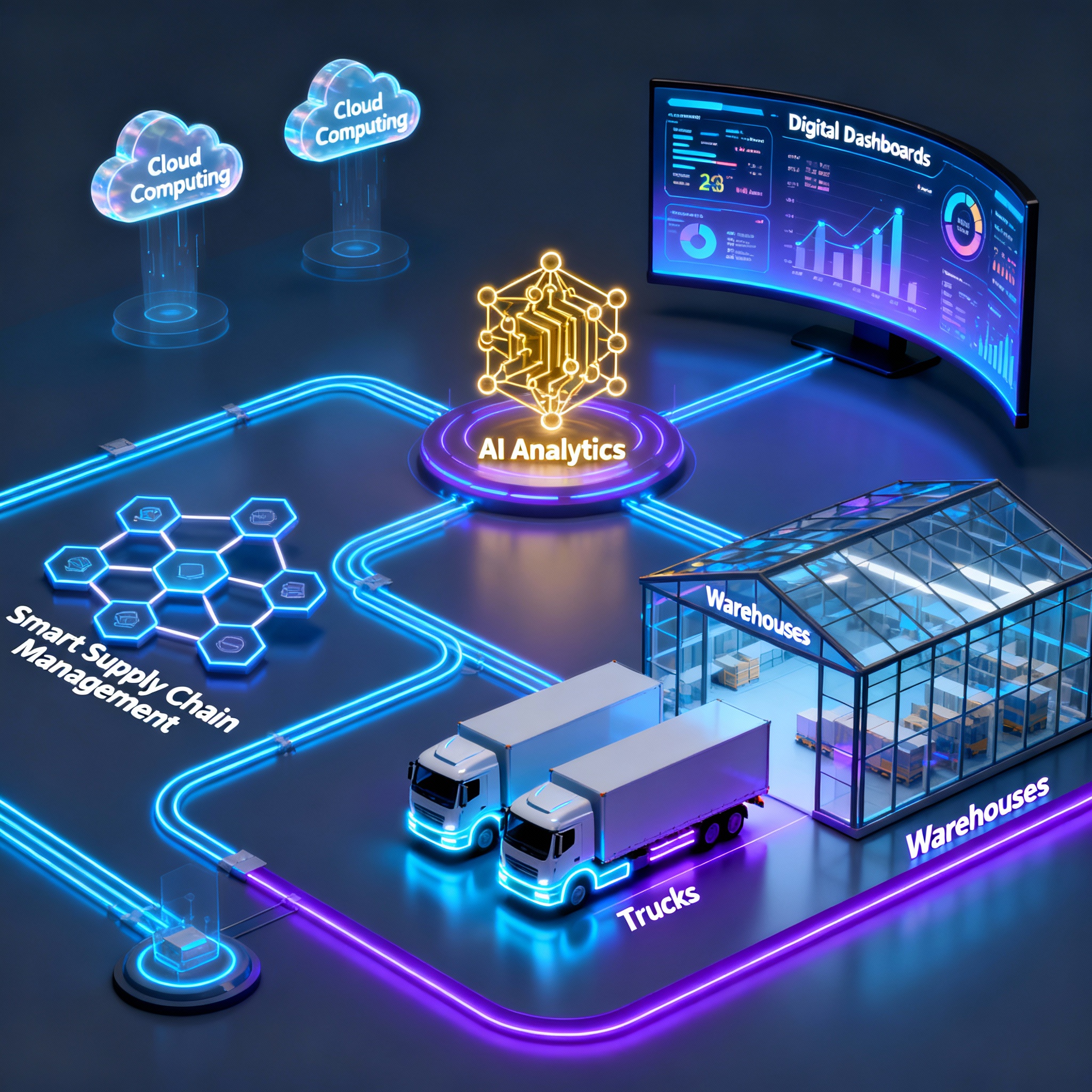
At Informatix Systems, we provide cutting-edge AI, Cloud, and DevOps solutions for enterprise digital transformation. In 2025, the logistics landscape is rapidly evolving, driven by exponential growth in e-commerce, global trade complexity, and rising consumer expectations for quick and reliable deliveries. Managing this complexity effectively requires innovative data engineering solutions that harness vast amounts of logistics data to optimize operations, reduce costs, and improve customer satisfaction. Data engineering forms the backbone of modern logistics by integrating and processing diverse data from transportation systems, GPS trackers, warehouse management, and customer relationship management platforms. This flood of data provides opportunities to streamline supply chains, predict demand, optimize routes, and maintain assets proactively. As supply chain agility becomes a critical business differentiator, smart data solutions empower logistics firms to stay competitive in a high-demand market. This comprehensive article explores the transformative impact of data engineering in logistics for 2025, outlining key solutions, benefits, technologies, and strategies. It highlights how Informatix.Systems equips enterprises with the tools to manage complexity and seize growth opportunities through real-time insights, artificial intelligence, and scalable cloud platforms.
Why Data Engineering is Critical for Modern Logistics
Managing Complex Data Ecosystems
Logistics companies operate across fragmented systems, generating an overwhelming volume and variety of data, including transportation, warehousing, delivery tracking, and inventory. Data engineering integrates this information into a unified, coherent dataset, enabling efficient analysis and decision-making.
Enabling Real-Time Visibility and Agility
Real-time data pipelines provide live supply chain status and track shipments dynamically. This visibility supports proactive response to disruptions, adaptive route planning, and improved resource allocation crucial in fast-paced logistics environments.
Driving Data-Powered Decisions
Traditional logistics often relied on manual, intuition-based decisions. Data engineering shifts the paradigm to data-driven strategies using predictive analytics, machine learning, and automated reporting that optimize performance and forecast future needs.
Benefits for Customer Service and Operational Efficiency
Providing accurate delivery updates and anticipating bottlenecks enhances customer satisfaction. Simultaneously, businesses reduce operational costs by optimizing routes, inventory, and maintenance schedules powered by data insights.
Core Benefits of Data Engineering in Logistics
Supply Chain Optimization
Data-driven identification of bottlenecks and inefficiencies enhances throughput and minimizes delays across transportation and warehousing stages.
Real-Time Shipment Tracking
Leveraging IoT and GPS data for up-to-the-minute package visibility fosters transparency and enables immediate corrective actions.
Cost Reduction
Optimized delivery routes and predictive maintenance directly reduce fuel consumption and unscheduled downtime.
Risk Management and Compliance
Automated fraud detection, disaster recovery planning, and regulatory tracking reduce exposure to operational and security risks.
Key Data Types Integrated in Logistics Operations
- Shipping Data: Routes, shipment origins/destinations, carrier details, and package condition information.
- Inventory Data: Stock quantities, locations, reorder levels, and turnover rates for warehouse optimization.
- Demand Data: Customer preferences, historical sales, and forecast patterns for precise inventory planning.
- Weather & Traffic Data: Real-time environmental conditions impacting route planning and risk mitigation.
- Supplier Data: Performance metrics, lead times, and reliability indicators shaping procurement strategies.
- Customer Data: Order history and delivery preferences enabling personalized service.
Leading Technologies Empowering Data Engineering in Logistics
Cloud Platforms
Scalable cloud infrastructure supports storage and processing of large data volumes, enabling flexible, cost-efficient deployment.
AI & Machine Learning
Advanced algorithms drive predictive maintenance, demand forecasting, and route optimization with high accuracy.
IoT & Sensor Networks
Device-generated data on vehicle status, storage conditions, and environmental factors provide critical real-time insights.
Data Integration Tools
Middleware and ETL frameworks unify heterogeneous data sources, ensuring consistency and accessibility.
DevOps & Automation
Continuous deployment pipelines and event-driven architectures accelerate updates and streamline logistics workflows.
Best Practices for Implementing Data Engineering in Logistics
- Establish Clear Objectives: Define KPIs aligned with operational goals such as delivery times, cost savings, and customer satisfaction.
- Invest in Scalable Architecture: Use cloud-native tools to handle expanding data and traffic without disruption.
- Ensure Data Quality: Implement strong validation, cleansing, and governance to maintain trust in analytics.
- Promote Cross-Functional Collaboration: Align IT, operations, and business teams to foster integrated solution development.
- Prioritize Security & Compliance: Enforce encryption, access controls, and regulatory adherence to protect sensitive information.
- Continuously Monitor & Optimize: Utilize analytics dashboards and alerts for ongoing performance improvement.
Real-World Use Cases and Success Stories
Route Optimization
Companies like UPS save millions of gallons of fuel annually using AI-driven route planning algorithms, reducing mileage and delivery time.
Predictive Maintenance
DHL employs IoT sensors to anticipate vehicle or equipment faults, minimizing downtime and repair costs.
Real-Time Package Tracking
FedEx integrates IoT and GPS for comprehensive shipment visibility, enhancing customer communication and service reliability.
Demand Forecasting
Retailers leverage AI to predict product demand, reducing inventory excess and preventing stockouts.
Overcoming Challenges in Logistics Data Engineering
Data Silos
Breaking down isolated data repositories through integration platforms enables unified insights.
Inconsistent Data Formats
Standardizing data sources and employing ETL tools ensures compatibility and seamless data flow.
Scalability Constraints
Cloud-based infrastructures offer elastic scaling to accommodate surges in data volume and processing needs.
Security Risks
Implementing robust cybersecurity measures is essential to safeguarding logistics ecosystems.
The Future of Data Engineering in Logistics
Looking ahead, logistics will increasingly rely on real-time data fabrics, AI-powered autonomous supply chains, and enhanced collaboration ecosystems. Innovations like blockchain for traceability and augmented reality for warehouse operations will further amplify efficiency and transparency. Informatix.Systems is committed to pioneering these advances through tailored solutions blending AI, cloud, and DevOps for long-term enterprise success. Data engineering is revolutionizing logistics in 2025 by turning complex, diverse datasets into actionable insights that drive supply chain excellence. Through real-time visibility, predictive analytics, and seamless integration of systems, logistics organizations can enhance operational efficiency, reduce costs, and elevate customer satisfaction. At Informatix.Systems, we provide cutting-edge AI, Cloud, and DevOps solutions for enterprise digital transformation, helping logistics businesses harness the full power of data to thrive in today's competitive market.
FAQs
How do data engineering solutions improve logistics efficiency?
They enable real-time tracking, predictive analytics, and optimization of routes and inventory, reducing delays and costs.
What types of data are essential for logistics data engineering?
Shipping, inventory, demand, weather, supplier, and customer data all contribute to comprehensive insights.
Can data engineering solutions be customized for different logistics needs?
Yes, solutions can be tailored to the scale, industry, and specific operational requirements of a logistics company.
How does AI enhance data engineering in logistics?
AI powers demand forecasting, predictive maintenance, route optimization, and risk management for smarter operations.
What are common challenges in logistics data integration?
Challenges include data silos, inconsistent data formats, scalability issues, and security concerns.
How important is real-time data in logistics?
Real-time data is critical for adaptive decision-making, ensuring deliveries are on time and resources are efficiently allocated.
What role does cloud technology play in logistics data engineering?
Cloud platforms provide scalable infrastructure for storing and processing large logistics datasets efficiently.
How can Informatix Systems support my logistics digital transformation?
We offer advanced AI, cloud, and DevOps solutions tailored for logistics, enabling data-driven decision-making and operational agility.
No posts found
Write a review