- 3/8, North Pirerbag
- 60 Feet Main Road
- Mirpur, Dhaka 1216
- +880-967-8247365
- support@informatix.systems

Payment Gateway Integration for E-commerce in 2025 | Informatix Systems
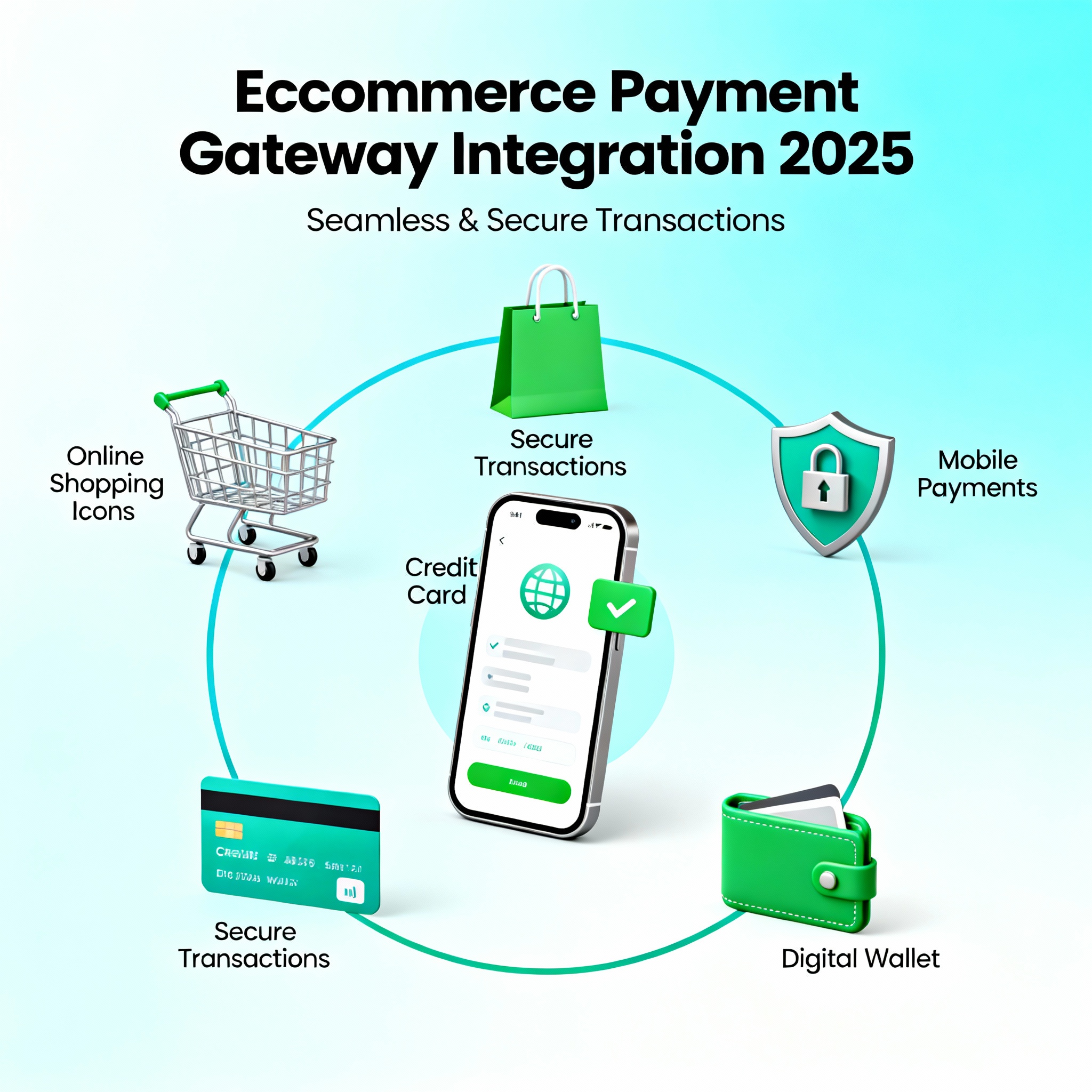
In the rapidly evolving digital commerce landscape of 2025, payment gateway integration stands as a central pillar enabling secure, seamless, and instant transactions. As e-commerce continues to flourish globally and in emerging markets such as Bangladesh, businesses must prioritize modern payment infrastructure that supports multi-currency operations, cross-border payments, and AI-powered fraud detection mechanisms. Today’s consumers expect frictionless transactions, whether purchasing through mobile apps, websites, or embedded commerce platforms. The rise of real-time banking APIs, blockchain-based settlements, and alternative payment methods such as crypto and digital wallets has created intense competition among online retailers for performance, trust, and convenience. Integrating a reliable payment gateway ensures customers complete transactions quickly, securely, and confidently, directly influencing conversion rates and brand loyalty. For enterprises, this integration must align with regulatory compliance (such as PCI-DSS), robust encryption, and scalable architecture suited for rapidly changing digital ecosystems, at Informatix.Systems, we provide cutting-edge AI, Cloud, and DevOps solutions, empowering e-commerce businesses to innovate faster and deploy secure payment frameworks with precision and scalability. This article explores how modern gateway integration transforms e-commerce success in 2025, offering technical insights, best practices, and real-world deployment strategies for enterprises seeking competitive advantage.
Understanding Payment Gateway Integration
Payment gateway integration refers to connecting online stores or digital platforms with third-party processors that authorize and process payments.
Key functionalities include:
- Data encryption for secure transactions
- Customer authentication and validation
- Real-time transaction approvals
- Automated settlement with banks and financial intermediaries
From credit cards and mobile wallets to UPI and crypto payments, gateways interpret sensitive data and route it securely through trusted networks.
Types of Payment Gateways
- Hosted Gateways: Redirect users to external provider pages (e.g., PayPal).
- Integrated Gateways: Embed forms within the store interface for seamless checkout.
- Encrypted APIs: Offer maximum control and branding consistency.
Evolution of Payment Integration Technology
Over the last decade, payment infrastructure has evolved alongside cloud computing and AI innovations. In 2025, machine learning analytics will provide fraud scoring, intelligent authentication, and instant chargeback resolution.
Trends shaping gateway technology include:
- Cloud-based microservices architecture for high scalability.
- AI-driven transaction flow optimization, minimizing latency.
- Blockchain settlements, ensuring transparency.
- Regional payment aggregation powered by API orchestration.
At Informatix.Systems, our FinTech integration engineers design modular payment frameworks leveraging cloud-native environments, containerized deployment, and real-time analytics, optimizing both performance and compliance.
Business Benefits of Payment Gateway Integration
Enhanced Security and Trust
Modern gateways employ tokenization, 3D Secure, and adaptive authentication to protect customers from fraud.
Improved Conversion Rates
Fast, error-free checkouts reduce cart abandonment and increase revenue.
Streamlined Financial Operations
Automated reconciliation tools simplify bookkeeping and analytics.
Global Accessibility
Support for multiple currencies and localized payment methods enables global expansion.
Competitive Differentiation
Offering diverse payment options directly correlates with customer satisfaction and loyalty.
Key Components of Modern Gateway Architecture
Core System Modules
- Payment API Layer: Securely handles transaction requests.
- Data Encryption Module: Implements AES and TLS protocols.
- Risk Monitoring Engine: Uses AI for anomaly detection.
- Settlement Processor: Manages daily payout operations.
Integration Essentials
Businesses integrating gateways must ensure:
- Up-to-date SSL certificates
- PCI-DSS compliance certification
- Consistent server-side validation
- Secure API token management
Integration Process and Technical Workflow
Successful gateway integration follows systematic development and testing cycles:
Planning
Identify payment methods and region-specific processors.
Gateway Selection
Evaluate providers based on cost, reliability, and compliance.
API Configuration
Implement sandbox testing with RESTful or GraphQL APIs.
Security Setup
Configure encryption keys, webhooks, and firewall rules.
Checkout Development
Design responsive and intuitive user interfaces.
Quality Assurance
Test multi-device compatibility, conversion speed, and transaction logging.
Launch and Monitoring
Deploy cloud monitoring for uptime tracking and automatic failover.
Compliance and Regulatory Considerations in 2025
With increasing global scrutiny, payment gateways must strictly conform to regulatory compliance frameworks.
Global Standards
- PCI-DSS v4.0: Mandates stronger authentication.
- GDPR 2025 updates: Reinforces privacy for EU transactions.
- Bangladesh Payment System Regulations (BPS): Requires data localization and transparency.
Best Practices
- Maintain audit trails for every transaction.
- Conduct regular vulnerability assessments.
- Automate compliance verification using AI-based systems.
At Informatix.Systems, we integrate compliance automation tools to ensure every enterprise client meets regional and international standards efficiently.
Emerging Payment Technologies Transforming E-commerce
Artificial Intelligence
AI models predict fraudulent activity, personalize payment options, and automate approvals.
Blockchain Integration
Smart contracts improve trust and accountability in merchant settlements.
Biometric Authentication
Fingerprint or facial ID accelerates secure payment validation.
Real-Time Payments
Instant transfers using AI-managed routing enhance customer satisfaction.
These innovations redefine gateway performance benchmarks for 2025, making Informatix.Systems is a technology leader in secure digital transformation.
Choosing the Right Payment Gateway Provider
When selecting a provider, enterprise decision-makers must analyze:
Key Evaluation Parameters:
- Reliability and uptime
- Transaction fees
- Data protection and encryption standards
- Integration flexibility
- Customer support responsiveness
Top Considerations for 2025:
- AI-powered fraud detection systems
- Compatibility with emerging currencies
- Transparent fee structures
- Seamless developer support and SDKs
At Informatix.Systems, we partner with trusted global processors, ensuring optimized performance across diverse e-commerce ecosystems.
Common Integration Challenges and Solutions
Challenge 1: API Inconsistency
Solution: Use standardized RESTful APIs with unified SDKs.
Challenge 2: Data Breaches
Solution: Implement layered encryption and token-based authentication.
Challenge 3: Transaction Latency
Solution: Deploy edge computing nodes for regional acceleration.
Challenge 4: Compliance Failures
Solution: Use automated compliance dashboards from Informatix.Systems.
Challenge 5: Poor User Experience
Solution: Apply UX testing and multi-gateway fallback routing.
Future of Payment Gateway Integration in 2025 and Beyond
Looking ahead, digital finance convergence will continue reshaping the ecosystem:
- Unified payment orchestration via AI-driven middleware
- Embedded finance in retail, logistics, and travel industries
- Quantum encryption ensures unbreakable transaction privacy
- Autonomous payment bots managing global remittances
E-commerce players adopting flexible, scalable, and intelligent payment systems will gain a decisive market advantage. Partnering with Informatix.Systems allow enterprises to realize this future today through advanced frameworks integrating Cloud, AI, and DevOps methodologies seamlessly. Payment gateway integration represents more than technology; it’s a strategic enabler of digital success. Businesses that invest in secure, intelligent, and integrated systems build trust, enhance conversion, and ensure operational resilience across international markets at Informatix.Systems, we specialize in end-to-end digital transformation, deploying custom payment architectures tailored to unique business models. Whether launching a new e-commerce venture or upgrading existing systems, our experts deliver world-class FinTech solutions powered by innovation and reliability.Contact Informatix.Systems today to transform your payment ecosystem and elevate your e-commerce performance for 2025 and beyond.
FAQs
What is payment gateway integration?
It connects an online store to payment processors, enabling secure digital transactions.
How does gateway integration impact conversion rates?
Faster and smoother transactions reduce cart abandonment and enhance user trust.
What security standards should businesses follow?
PCI-DSS, GDPR, and regional compliance rules such as the Bangladesh Payment System Regulations.
Can AI improve payment processing efficiency?
Yes, AI automates fraud detection, dynamic routing, and real-time analytics for better performance.
How long does integration typically take?
Depending on platform complexity, full integration may take 2–4 weeks with proper testing.
Which payment methods should e-commerce stores support in 2025?
Credit/debit cards, mobile wallets, UPI, crypto payments, and biometric authentication.
Why is Informatix Systems ideal for enterprise integration?
We combine AI, Cloud, and DevOps technologies to deliver secure, scalable, and compliant solutions.
Can Informatix Systems customize gateways for regional markets like Bangladesh?
Absolutely. Our tailored frameworks align with local banking APIs and regulatory policies.
No posts found
Write a review