- 3/8, North Pirerbag
- 60 Feet Main Road
- Mirpur, Dhaka 1216
- +880-967-8247365
- support@informatix.systems

Secure SDLC & DevSecOps for Fintech in 2026 | Informatix.Systems
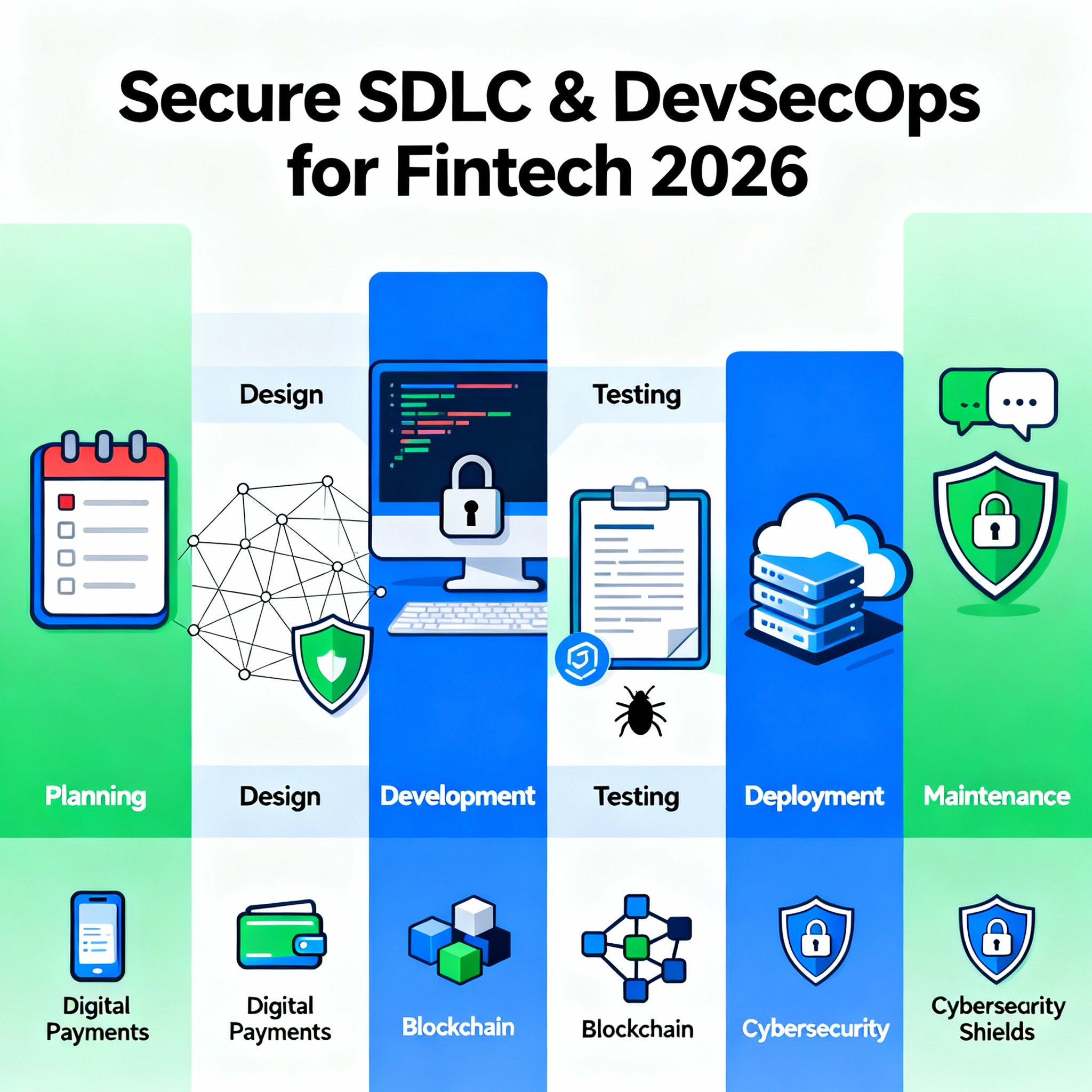
As fintech innovations disrupt traditional financial services in 2026, cybersecurity has become central to sustainable growth. Financial technology companies are developing increasingly complex software solutions that handle sensitive customer data, process critical transactions, and integrate with broader financial ecosystems. However, these advancements expose fintech platforms to heightened cyber threats ranging from data breaches and identity theft to regulatory penalties and reputational damage. A Secure Software Development Life Cycle (Secure SDLC) and DevSecOps approach integrates security throughout the entire software development process, embedding it into design, coding, testing, and deployment phases. This methodology is indispensable for fintech firms that must deliver secure, compliant, and reliable services at speed without compromising innovation. At Informatix.Systems, we provide cutting-edge AI, Cloud, and DevOps solutions for enterprise digital transformation. Our expertise in Secure SDLC and DevSecOps empowers fintech organizations to embed security seamlessly into agile workflows, automate vulnerability detection, and ensure regulatory compliance,e all while accelerating time-to-market.This comprehensive article dives deep into the essentials of Secure SDLC and DevSecOps in the fintech industry in 2026, uncovering emerging practices, critical security phases, technological enablers, common challenges, and best practices for a resilient fintech software delivery model.
Understanding Secure SDLC & DevSecOps in Fintech
What is Secure SDLC?
Secure SDLC is a software development methodology that integrates security controls and testing at every phase from requirements gathering to design, coding, testing, deployment, and maintenance. It shifts security left in the development pipeline to minimize vulnerabilities early.
DevSecOps Explained
DevSecOps extends DevOps by embedding continuous security practices directly into software development and operations pipelines. It leverages automation, collaboration, and real-time security feedback to enable rapid, secure software delivery.
Why These Practices Matter for Fintech
- Protection of sensitive financial and personal data
- Ensuring regulatory compliance, such as PCI DSS, GDPR, and PSD2
- Maintaining customer trust amid evolving cyber threats
- Accelerating development cycles without sacrificing security
Key Phases of Secure SDLC in Fintech
Requirements and Planning
- Risk assessment specific to fintech services
- Security requirements aligned with compliance mandates
Secure Design
- Threat modeling and secure architecture review
- Designing for data encryption, authentication, and authorization
Secure Coding
- Use of secure coding standards and guidelines (e.g., OWASP top 10)
- Code reviews and static application security testing (SAST)
Testing and Verification
- Dynamic application security testing (DAST) and penetration testing
- Fuzz testing and vulnerability scanning
Deployment and Operations
- Automated security checks within CI/CD pipelines
- Runtime application self-protection (RASP) and continuous monitoring
Maintenance and Incident Management
- Patch management and patch prioritization
- Security incident response and forensic analysis
Integrating DevSecOps into Fintech Workflows
Automation for Security Efficiency
- Implementing automated SAST and DAST tools
- Infrastructure as Code (IaC) with embedded security rules
Collaborative Culture
- Cross-functional teams including developers, security, and operations
- Shared security ownership and continuous training
Real-Time Security Feedback
- Integrating security dashboards and metrics in developer tools
- Continuous vulnerability management and remediation
Cloud-Native DevSecOps Practices
- Leveraging container security and Kubernetes security tools
- Secure API management and microservices architecture
The Role of AI and Cloud in Secure SDLC & DevSecOps
AI-Powered Vulnerability Detection
- Machine learning models identifying subtle code anomalies
- Automated prioritization of critical vulnerabilities
Cloud-Enabled Development and Security
- Scalable, on-demand security testing environments
- Centralized security policy enforcement for distributed teams
AI-Driven Threat Intelligence Integration
- Real-time updates on emerging fintech-specific threats
- Automated adaptation of security rules based on threat trends
Fintech Regulatory Landscape and Secure Development
Key Regulations and Standards
- PCI DSS for payment card data security
- GDPR for personal data protection
- PSD2 for secure payment services in Europe
- SOX and other financial reporting security requirements
Compliance Automation through DevSecOps
- Built-in compliance validations during code commits
- Automated audit trails and report generation
Challenges in Secure SDLC and DevSecOps Adoption
Complexity of Fintech Ecosystems
- Third-party APIs, legacy systems, and cloud infrastructure interplay
Skills Gap and Cultural Barriers
- Recruiting and training developers with security expertise
- Ensuring collaboration without slowing down innovation
Balancing Speed and Security
- Avoiding security bottlenecks during rapid releases
Toolchain Integration
- Selecting interoperable security tools supporting DevSecOps workflows
Best Practices for Secure SDLC & DevSecOps in Fintech
- Apply comprehensive threat modeling to identify risks early
- Integrate security tools seamlessly into CI/CD pipelines
- Emphasize secure coding via ongoing education and automated checks
- Promote cross-team collaboration with shared KPIs
- Continuous monitoring of deployed applications for new vulnerabilities
- Use AI to prioritize vulnerabilities and automate routine tasks
- Maintain up-to-date compliance checklists integrated into workflows
Leading DevSecOps and Secure SDLC Technologies for Fintech
- Snyk: Developer-first security scanning for open source and containers
- GitLab Ultimate: Integrated DevSecOps platform with end-to-end code security
- Checkmarx: Static and interactive application security testing
- Aqua Security: Cloud-native security for containers and serverless environments
- JFrog Xray: Scanning and governance for CI/CD pipelines
- Palo Alto Prisma Cloud: Cloud workload and infrastructure security
Real-World Fintech Secure SDLC & DevSecOps Success Stories
Fintech Startup A: Accelerated Secure Releases
- Integrated DevSecOps pipeline reduced vulnerabilities by 60%
- Automated compliance reporting boosted customer confidence
Large Payment Processor B: End-to-End Security Integration
- Secure SDLC adoption minimized incidents and audit findings
- AI-powered security tools enabled proactive threat mitigation
Future Trends in Fintech Secure Development
Shift-Left Security Matures with AI Assistance
- Greater integration of AI-driven coding assistants and vulnerability fixes
Continuous Compliance Monitoring via DevSecOps
- Automated governance ensuring always-on regulatory adherence
Secure API Ecosystems
- Enhanced security models for growing API use in fintech
Expansion of Confidential Computing
- Protecting sensitive computations even in cloud environments
How Informatix.Systems Enable Secure SDLC & DevSecOps for Fintech
At Informatix.Systems, we provide cutting-edge AI, Cloud, and DevOps solutions for enterprise digital transformation. Our Secure SDLC and DevSecOps services for fintech include:
- Custom roadmap creation for secure and compliant development
- AI-driven automated code scanning and vulnerability prioritization
- Integration of cloud-native security tooling with CI/CD
- Training programs to embed security culture in agile teams
- Continuous compliance automation aligned with evolving regulations
Partner with Informatix.Systems to accelerate your fintech innovation securely and confidently, turning security from a blocker into a competitive advantage. The fintech sector in 2026 demands a rigorous, integrated approach to software security that balances rapid innovation with robust protection. Adopting Secure SDLC and DevSecOps practices powered by AI and cloud technologies is essential to meet this challenge. Through continuous security automation, collaboration, and compliance enforcement, fintech companies can safeguard customer data, maintain trust, and comply with complex regulations.Informatix.Systems is your trusted partner in building resilient fintech software delivery pipelines that prioritize security at every step. Embrace secure development today contact Informatix.Systems to transform your fintech security posture for 2026 and beyond.
FAQs
What is Secure SDLC, and why is it vital for fintech?
Secure SDLC integrates security practices throughout software development to prevent vulnerabilities, crucial for protecting sensitive financial data.
How does DevSecOps improve fintech software security?
DevSecOps embeds security into development and operations pipelines, automating vulnerability detection and accelerating secure releases.
What are the key fintech regulations influencing secure development?
PCI DSS, GDPR, PSD2, and SOX set stringent requirements for data protection and secure financial operations.
How can AI enhance Secure SDLC and DevSecOps?
AI automates code analysis, detects complex threats, prioritizes risks, and speeds remediation.
What challenges do fintech firms face in adopting Secure SDLC and DevSecOps?
Balancing speed with security, addressing skills shortages, and integrating diverse tools are major hurdles.
Can Informatix.Systems help small and large fintech firms?
Yes, we tailor Secure SDLC and DevSecOps solutions for fintechs of all sizes, ensuring scalable, compliant security.
How does compliance automation work in DevSecOps?
Compliance checks are integrated into CI/CD pipelines with automated reporting and audit readiness.
What future trends will shape fintech secure development?
AI-driven coding assistants, continuous compliance, secure API frameworks, and confidential computing will dominate.
No posts found
Write a review