- 3/8, North Pirerbag
- 60 Feet Main Road
- Mirpur, Dhaka 1216
- +880-967-8247365
- support@informatix.systems

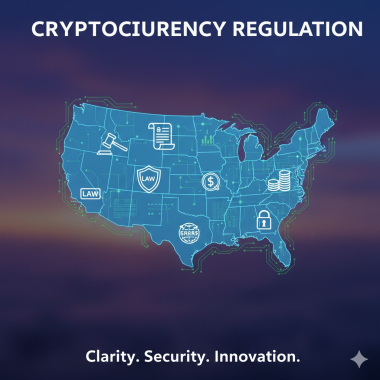
Cryptocurrency regulations in the U.S.
The United States remains a major player in the global cryptocurrency market. With a rapidly evolving regulatory landscape, businesses and investors must stay informed about federal and state laws that impact how digital assets are issued, traded, and managed. Key U.S. Regulatory Bodies Securities and Exchange Commission (SEC): Oversees...
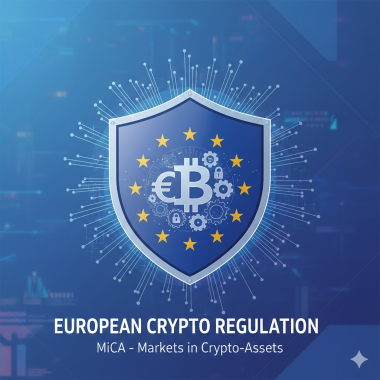
Cryptocurrency regulations in Europe.
Europe is leading the global conversation on cryptocurrency regulation through its structured and unified approach. The region is introducing clear legal frameworks to support innovation while ensuring consumer protection, financial stability, and anti-money laundering measures. The European Approach to Crypto Regulation With the upcoming...
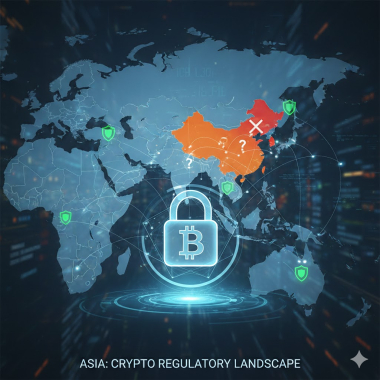
Cryptocurrency regulations in Asia.
Asia is a diverse and dynamic region for cryptocurrency and blockchain technology. Countries across the continent have adopted varying approaches to digital assets, ranging from open support to strict bans. Understanding the regulatory environment is essential for operating successfully in Asian markets. Overview of Crypto Regulation in Asia While...
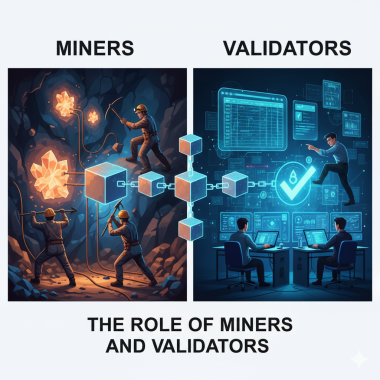
The role of miners and validators.
In a decentralized blockchain ecosystem, miners and validators play essential roles in ensuring the integrity, security, and performance of the network. These participants are responsible for verifying transactions, adding new blocks, and maintaining consensus. Informatix Systems offers expert blockchain infrastructure and consulting services, helping...
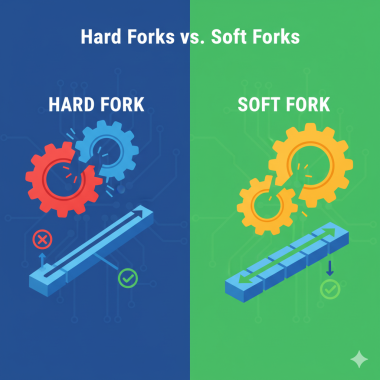
Hard forks vs. soft forks.
In the world of blockchain, forks are a common occurrence that shape the evolution of a blockchain network. Understanding the difference between hard forks and soft forks is crucial for anyone involved in blockchain technology or cryptocurrency. These two types of forks can have significant effects on the structure and functionality of blockchain...

The Bitcoin scaling debate.
Bitcoin, the first and most well-known cryptocurrency, has faced several challenges as its popularity has grown. One of the most significant issues it has encountered is scalability the ability of the network to handle an increasing number of transactions without compromising speed or cost. This challenge, known as the Bitcoin scaling debate , has...

Blockchain for charity and donations.
The charitable sector has long struggled with issues of transparency, accountability, and trust. Donors want to know how their contributions are being used, while nonprofits must work hard to maintain credibility and demonstrate impact. Blockchain technology offers a transformative solution by ensuring transparency, traceability, and trust in charitable...
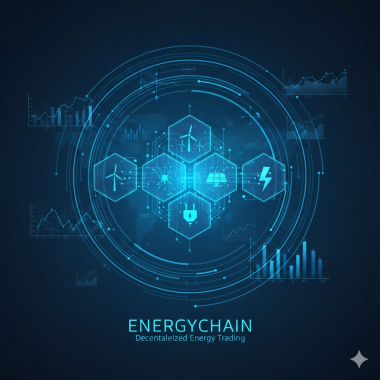
Energy trading with blockchain.
The global energy market is undergoing a digital transformation, with blockchain technology playing a pivotal role. As the demand for cleaner and decentralized energy systems grows, traditional energy trading methods face challenges like inefficiency, lack of transparency, and security risks. Blockchain offers a revolutionary approach to energy trading...
No posts found
Write a review