- 3/8, North Pirerbag
- 60 Feet Main Road
- Mirpur, Dhaka 1216
- +880-967-8247365
- support@informatix.systems

Quantum-resistant blockchains.
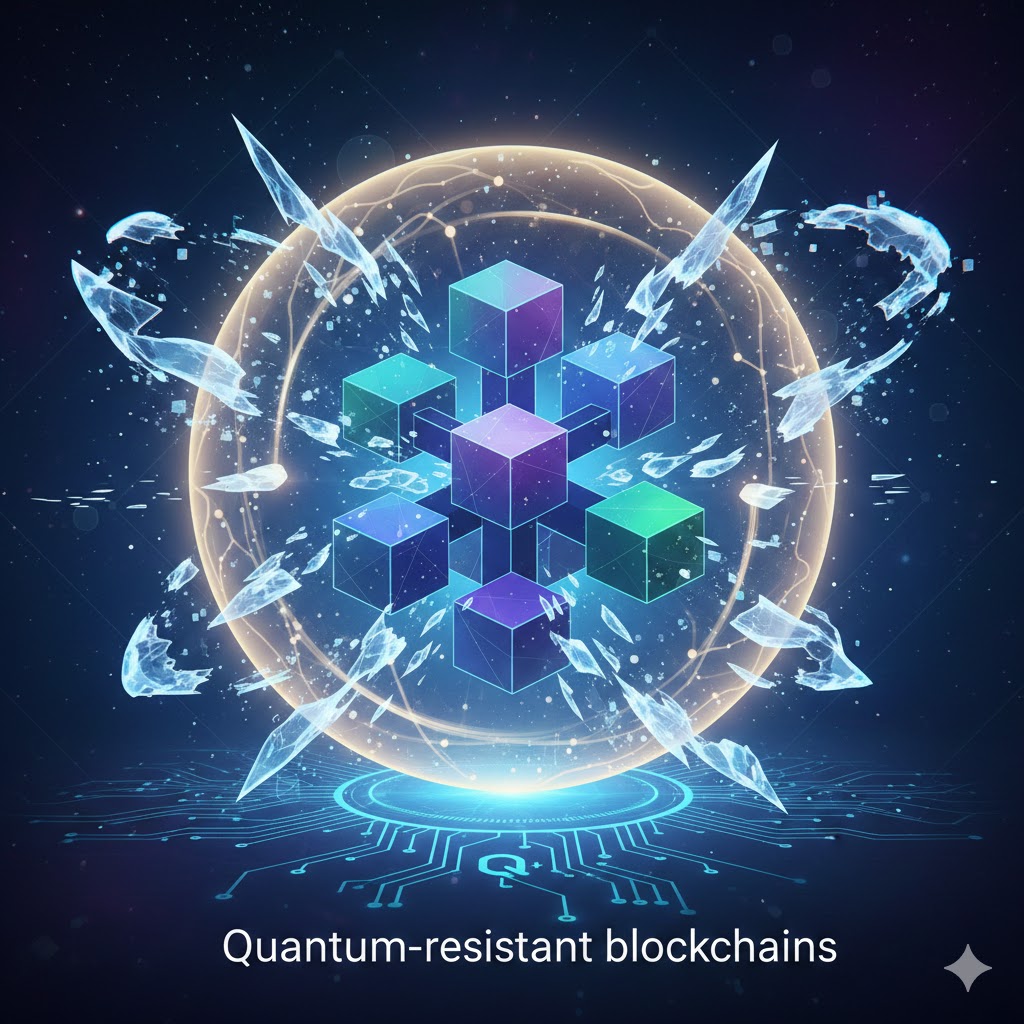
Blockchain technology has gained massive traction for its role in enhancing data security, decentralization, and transparency. However, as quantum computing evolves, it presents a potential threat to the cryptographic algorithms that form the backbone of blockchain security. With the rise of quantum computing, it’s crucial to explore solutions like quantum-resistant blockchains to protect blockchain networks from future quantum attacks.In this blog, we will delve into the concept of quantum-resistant blockchains, the threat quantum computing poses to current blockchain networks, and how businesses can prepare for a quantum-safe future with the help of Informatix Systems.
What Are Quantum-Resistant Blockchains?
A quantum-resistant blockchain is designed to withstand the threats posed by quantum computing. While conventional blockchain systems rely on cryptographic algorithms like RSA and ECDSA (Elliptic Curve Digital Signature Algorithm), quantum computers are capable of breaking these encryption methods through advanced algorithms like Shor's algorithm.Quantum-resistant blockchains use cryptographic methods that are believed to be immune to quantum computer attacks, often referred to as post-quantum cryptography. These new methods are crucial for ensuring that blockchain networks remain secure in the era of quantum computing.
The Threat of Quantum Computing to Blockchain
Quantum computing holds the potential to revolutionize industries by solving complex problems that classical computers cannot. However, this breakthrough also comes with a significant challenge for traditional cryptography, which is the foundation of blockchain security. Quantum computers can efficiently solve problems that would take classical computers millennia, including breaking the widely used cryptographic algorithms that blockchain networks rely on.
-
Breaking Public-Key Cryptography: Quantum computers can easily break public-key cryptosystems (like RSA and ECDSA), which are the primary methods used in blockchain networks for secure transactions and identity verification.
-
Weakening Blockchain Security: If quantum computers could break the cryptographic algorithms used in blockchain, attackers could manipulate or steal assets, alter transaction records, or take control of blockchain networks.
To address these challenges, quantum-resistant blockchains use advanced encryption techniques that are designed to be secure against quantum-powered attacks.
Key Features of Quantum-Resistant Blockchains
-
Post-Quantum Cryptography: Post-quantum cryptographic algorithms are resistant to quantum attacks. These algorithms, including lattice-based cryptography and hash-based signatures, are currently being researched and developed to ensure blockchain security in the quantum computing era.
-
Quantum-Safe Encryption: Quantum-safe encryption methods focus on creating cryptographic systems that are secure against both classical and quantum computers. Quantum-resistant blockchains use these encryption methods to prevent quantum attackers from breaking into the system.
-
Hybrid Security Models: Some quantum-resistant blockchains adopt a hybrid security model, which combines both classical and quantum-resistant cryptography. This dual approach ensures that the blockchain can withstand both traditional and quantum-powered attacks during the transition period.
-
Future-Proofing Blockchain Networks: Quantum-resistant blockchains are designed with future-proofing in mind. As quantum computing becomes more prevalent, these blockchains will remain secure and resistant to new threats, ensuring long-term viability for blockchain technology.
Benefits of Quantum-Resistant Blockchains
-
Enhanced Security in the Age of Quantum Computing: By adopting quantum-resistant cryptography, blockchain networks can stay ahead of the curve and maintain their security even as quantum computers advance. This ensures that blockchain technology remains secure and trustworthy.
-
Long-Term Data Integrity: Quantum-resistant blockchains provide long-term data integrity by ensuring that transactions and records remain unaltered, even in the face of future quantum computing breakthroughs.
-
Protection for Sensitive Data: With the rise of quantum computing, data that is currently stored on blockchain networks may be vulnerable in the future. Quantum-resistant blockchains protect sensitive data and assets by using cryptography that is safe from quantum threats.
-
Encouraging Innovation: The development of quantum-resistant blockchains fosters innovation in both blockchain technology and quantum computing research. By preparing for the future, businesses can ensure that their blockchain systems are future-ready.
Informatix Systems and Quantum-Resistant Blockchain Solutions
At Informatix Systems, we specialize in helping businesses navigate the complexities of blockchain technology, including preparing for the quantum computing era. Our team of blockchain experts can assist you in implementing quantum-resistant blockchain solutions that ensure your blockchain network remains secure, scalable, and future-proof.
We provide comprehensive services, including:
-
Consulting on the latest quantum-resistant blockchain technologies
-
Designing and deploying blockchain networks with quantum-safe encryption
-
Integrating post-quantum cryptography into existing blockchain systems
-
Offering ongoing support to ensure your blockchain solutions are prepared for future advancements in quantum computing
FAQ: Quantum-Resistant Blockchains
What is a quantum-resistant blockchain?
A quantum-resistant blockchain is a blockchain that uses post-quantum cryptographic algorithms to protect the network from quantum computing threats. These blockchains are designed to remain secure even as quantum computers become more powerful.
How does quantum computing threaten blockchain security?
Quantum computing can break traditional cryptographic algorithms like RSA and ECDSA, which are commonly used in blockchain networks. This could allow quantum computers to manipulate or steal assets, compromising the security and integrity of blockchain networks.
What is post-quantum cryptography?
Post-quantum cryptography refers to cryptographic algorithms that are secure against both classical and quantum computing attacks. These algorithms are being developed to protect data and systems from the potential threats posed by quantum computing.
Can blockchain be made quantum-resistant?
Yes, blockchain can be made quantum-resistant by adopting cryptographic algorithms that are secure against quantum attacks. This includes using lattice-based cryptography and other quantum-safe encryption methods.
Why should businesses adopt quantum-resistant blockchain solutions?
Businesses should adopt quantum-resistant blockchain solutions to future-proof their networks and ensure that they remain secure and trustworthy even as quantum computing advances. This helps protect sensitive data, maintain the integrity of transactions, and ensure long-term viability.
Get in Touch
Website: https://informatix.systems
Email: support@informatix.systems
Phone: +8801524736500
No posts found
Write a review